From the archive
Qatar Airways Cabin Crew Stage Mass 'Sickout' Amidst Grievances Over Pay and Conditions
Qatar Airways cabin crew stage mass sickout over cancelled bonus and poor conditions, causing flight delays at Doha Hamad International Airport.
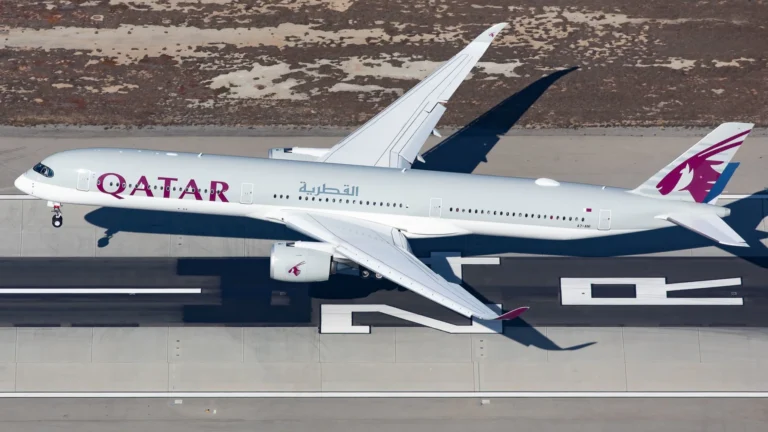
Qatar Airways is experiencing what cabin crew members describe as the airline's first-ever mass "sickout," following growing discontent over pay and working conditions since late May 2026. The industrial action led to significant disruptions at Doha Hamad International Airport on Monday. Around 130 flights departing the airport were delayed as a result of the crew absences. Despite the widespread delays, Qatar Airways did not record any flight cancellations at Doha Hamad International Airport on Monday. The situation represents a rare public display of labor grievances for the state-owned carrier, noting deep-seated issues within the airline's workforce. This unprecedented event marks a critical moment for the carrier, as cabin crew members have explicitly labeled the widespread absence as the airline's first-ever mass “sickout,” indicating a coordinated effort to voice their dissatisfaction. The anger among the crew has been steadily building since late May 2026, culminating in the recent industrial action.
Financial Success and Employee Discontent
The ongoing protest by cabin crew is primarily directed against working conditions and Qatar Airways' decision to eliminate a profit-sharing bonus. This discontent arises despite the Qatar Airways Group reporting a net profit of QR 7.08 billion for the 2025-2026 financial year, which is close to US $2 billion. The significant financial achievement of nearly US $2 billion in net profit for the 2025-2026 fiscal year stands in stark contrast to the grievances expressed by its cabin crew. This substantial profitability shows the airline's strong performance in the market. In contrast, Emirates, a regional competitor, compensated its staff with a bonus equivalent to approximately 20 weeks of basic pay, a move that has likely amplified the dissatisfaction among Qatar Airways' employees. The disparity in employee compensation practices between Qatar Airways and its regional rivals is a key factor fueling the current unrest.
Cabin crew members have expressed concerns that their basic salary and hourly flight pay have not seen any meaningful increases for several years. This stagnation in core compensation has been a long-standing point of contention. Further exacerbating the situation, overtime pay was discontinued last year. The removal of overtime pay represented a significant reduction in potential earnings for many crew members. The discretionary annual bonus, which was intended to serve as a replacement for the abolished overtime pay, was also cancelled this year, removing another anticipated financial benefit for staff. The cancellation of this discretionary bonus, which was meant to offset the loss of overtime earnings, has left crew members feeling financially undervalued and has contributed significantly to the current climate of protest. The cumulative effect of these financial decisions by the airline has led to a widespread perception among cabin crew that their contributions are not being adequately recognized or rewarded, especially in light of the company's strong financial performance.
Deteriorating Working and Living Conditions
Layover meal allowances for Qatar Airways cabin crew are currently at approximately half their pre-COVID levels. This reduction in a fundamental perquisite impacts the daily lives and expenses of crew members while on duty away from their home base. Previously, the airline compensated crew members at double the hourly rate for flying beyond 1,000 hours per year, a benefit that acknowledged and rewarded extensive flying hours. The current housing allowance for staff stands at 1,200 QAR per month. This housing allowance has not seen an increase in approximately 12 years, according to reports, further eroding its value due to inflation and rising living costs over more than a decade. The stagnation of this key allowance has become a significant point of frustration for employees.
Around 90% of the cabin crew reside in company accommodation provided by Qatar Airways, making the conditions and policies governing this housing a central issue for the majority of the workforce. Crew members have stated that during the mandatory nine-hour minimum rest period, they are permitted to leave company housing only twice, for a combined total of 90 minutes. These strict restrictions on personal movement during designated rest periods are viewed as highly restrictive and detrimental to their well-being. When on home standby, crew members report being unable to leave their residences at all, imposing further limitations on their personal freedom and ability to conduct personal errands or activities. Cabin crew can move out of the company-provided housing, but this option is exclusively permitted for married employees. This policy effectively restricts single crew members to company housing, regardless of their desire for more personal autonomy or different living arrangements. The combination of reduced allowances, stagnant housing support, and stringent rules within company accommodation contributes to a sense of diminishing welfare and control over their personal lives among the cabin crew.
Legal Landscape and Leadership Changes
Worker organizing carries a serious risk in Qatar, where unions, strikes, and protests are banned. This legal framework places significant constraints on employees' ability to collectively advocate for their rights and conditions. Qatar ended its Kafala system in 2018, which previously tied migrant workers' visas to their employers, but labor laws remain restrictive, limiting the scope for industrial action. The airline had a history of strict policies under its previous leadership. Under former chief executive Akbar Al Baker, Qatar Airways enforced strict curfews for cabin crew and banned them from social media. These past policies created an environment of tight control and limited personal freedoms for employees.
Badr Al Meer took over as CEO in 2023, promising a culture of trust and empowerment within the airline, signaling a potential shift from the previous strict operational approach. However, leadership changed again in December 2025, when Hamad Ali Al-Khater replaced Badr Al Meer as Group CEO, introducing another transition at the helm of the organization. These leadership transitions occurred during a period when Qatar Airways is operating at around 55% of its pre-conflict schedule, indicating ongoing operational adjustments and challenges. The frequent changes in leadership, coupled with the airline's current operational capacity, add another layer of complexity to the ongoing labor dispute. The cabin crew's decision to undertake a mass "sickout" despite the severe legal restrictions on worker organizing shows the depth of their frustration and the perceived urgency of their grievances regarding pay, working conditions, and living arrangements. The current situation presents a significant challenge for the new leadership to address employee morale and foster a more harmonious working environment within the state-owned carrier.