From the archive
Qatar-Mediated Ceasefire Averts Beirut Strike
Qatar mediated to avert an Israeli strike on Beirut's southern suburbs after US intervention and a call between Trump and Netanyahu.
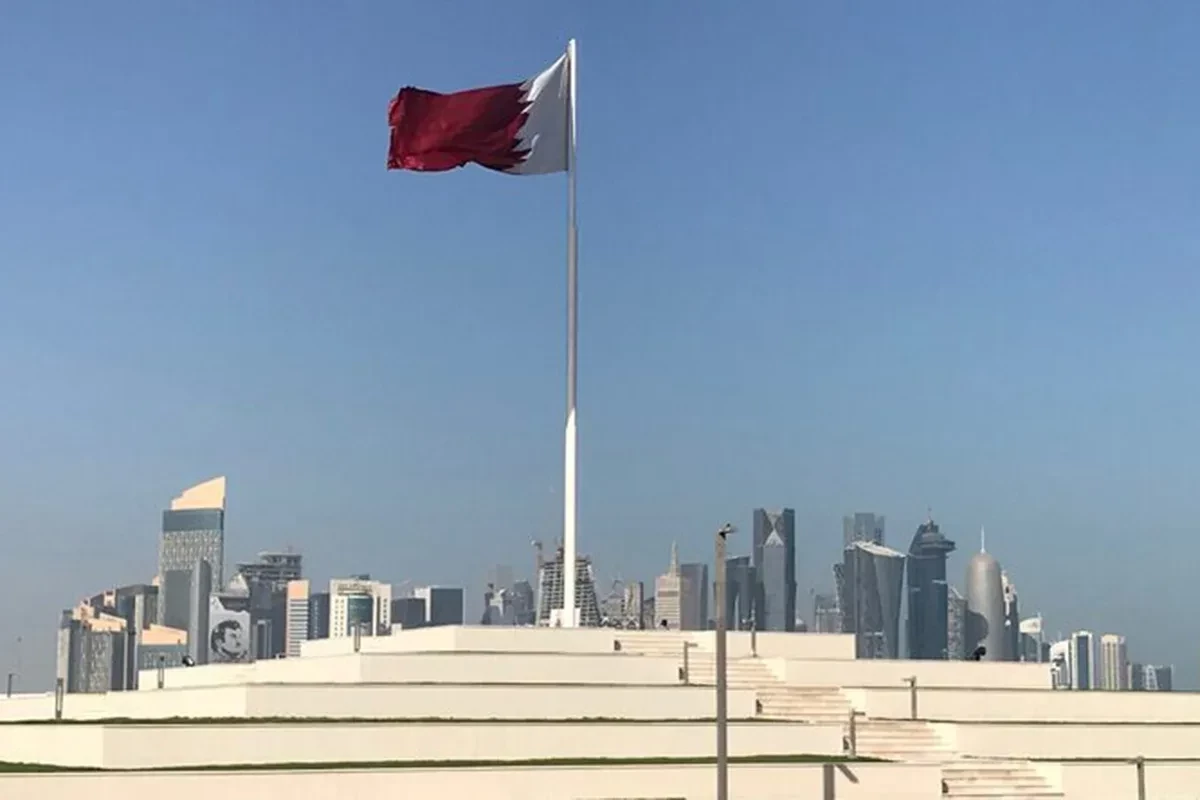
Qatar has launched a mediation initiative aimed at preventing a potential Israeli attack on the southern suburbs of Beirut, according to a diplomatic source who reported the information to Al Jazeera. This diplomatic effort followed a directive from Prime Minister Benjamin Netanyahu for the Israeli military to prepare strikes on Beirut’s southern Dahieh district. However, Israel's plans to strike the outskirts of Beirut were reportedly canceled after a phone conversation between President Donald Trump and Prime Minister Benjamin Netanyahu. The cancellation of these plans came approximately seven hours after the initial strike order had been given, noting the rapid diplomatic intervention.
President Trump later stated, "there will be no Troops going to Beirut." Prime Minister Netanyahu confirmed his conversation with President Trump, saying, "I spoke with President Trump and told him that if Hezbollah does not stop attacking our cities and civilians, Israel will attack terrorist targets in Beirut." He added, "This position remains unchanged." This declaration showed Israel's conditional stance even as diplomatic efforts intensified.
Diplomatic Push and Israeli Orders
Doha has been engaged in intensive contacts with the U.S. Side since May 31, according to a diplomatic source. President Donald Trump spoke with Prime Minister Netanyahu on Monday evening, approximately seven hours after a strike order was initially given. Mr. Trump described the call with Mr. Netanyahu as “very productive,” indicating the positive nature of their exchange. During this critical conversation, Mr. Netanyahu stated he informed Mr. Trump that Israel would attack terrorist targets in Beirut if Hezbollah did not cease its attacks on Israeli cities and civilians. He added that the Israel Defense Forces (IDF) would continue planned operations in southern Lebanon, signaling Israel's intent to maintain its security posture despite the diplomatic overtures concerning Beirut.
Lebanese Parliament Speaker Nabih Berri communicated to the Trump administration that Hezbollah was prepared for a full and immediate ceasefire with Israel and pledged to ensure its implementation. This key assurance from a key Lebanese figure provided a pathway for de-escalation. Ali Hamdan, a senior adviser to Mr. Berri, confirmed that Mr. Berri maintains a channel to Hezbollah, which enables him to relay messages directly to the group’s leader, Naim Qassem. This direct line of communication proved key in facilitating the proposed ceasefire. Mr. Berri questioned the notion of a partial cessation of hostilities, stating, "Why a partial ceasefire? Let’s reach a full ceasefire," emphasizing the need for full peace.
President Trump subsequently stated, "through highly placed Representatives, I had a very good call with Hezbollah, and they agreed that all shooting will stop." He further declared, "Israel will not attack them, and they will not attack Israel," effectively announcing a mutual halt to hostilities. Mr. Trump also announced, "there will be no Troops going to Beirut," adding that "any Troops that are on their way, have already been turned back." This statement directly addressed concerns about a potential ground invasion, aiming to reduce regional tensions. The diplomatic efforts are "continuing at a rapid pace," according to Mr. Trump, who also noted, "I think we've been talking too much if you want to know the truth." He suggested that "going silent would be very good, and that could be for a long time," hinting at a desire for a sustained period of quiet. The publication date for this information was June 2, 2026, at 08:50 UTC +04:00.
Hezbollah and Lebanese Confirmations
Donald Trump effectively announced a "quiet will be met with quiet" formula, stating that Hezbollah had agreed to halt fire at Israel. Mr. Trump said, "through highly placed Representatives, I had a very good call with Hezbollah, and they agreed that all shooting will stop." He further declared, "Israel will not attack them, and they will not attack Israel," showing the reciprocal nature of the agreement. This statement from the U.S. President confirmed Hezbollah's commitment to the ceasefire.
The Lebanese Embassy in Washington confirmed that Lebanese authorities had received confirmation of Hezbollah’s agreement to accept the U.S. Proposal for ending reciprocal attacks. This official confirmation from the embassy lent significant weight to the diplomatic breakthrough. Ali Hamdan, a senior adviser to Lebanese Parliament Speaker Nabih Berri, detailed the proposal presented to Mr. Berri. According to Mr. Hamdan, the core of the proposal was that Hezbollah would stop attacking northern Israel in exchange for Israel not bombing Beirut, with the ceasefire then gradually expanding to additional areas. "We are confident Hezbollah will meet its commitment to a full ceasefire," Mr. Hamdan stated, adding, "In our view, it will be more effective. We know time is running out." Lebanese officials affirmed that this arrangement meant Israel would refrain from striking Dahieh, the southern suburbs of Beirut, while Hezbollah would cease its attacks on Israeli communities. This specific understanding clarified the immediate terms of the de-escalation.
Regional Reactions and Escalation Fears
Despite the diplomatic progress, the situation on the ground remained volatile. Sirens in northern Israel resumed after approximately three hours of quiet following President Trump's social media post, with alerts sounding across the Galilee Panhandle and subsequently in the western Galilee, including the town of Shlomi. This resurgence of alerts noted the fragility of the ceasefire and the immediate challenges to its full implementation. The Israel Defense Forces (IDF) reported that a rocket fell near Israeli forces operating in southern Lebanon, indicating that not all hostilities had ceased immediately.
Iran, a key regional player, announced it was suspending negotiations with the United States in response to Israeli strikes in Lebanon. This move signaled Tehran's displeasure and potential for broader regional implications. Tehran also issued a stark warning to residents in northern Israel to evacuate, stating they could be harmed if Israel attacked Dahieh, the southern suburbs of Beirut. This warning showed the potential for widespread civilian casualties should the conflict escalate. According to the Iranian news agency Tasnim, Tehran officials had indicated that the so-called “axis of resistance” had considered fully blocking the Strait of Hormuz and activating other fronts, including the Bab el-Mandeb Strait, "to punish Israel and its supporters." This revelation from Tasnim noted the broad and dangerous retaliatory measures that could be enacted, potentially disrupting global shipping and energy markets, if the situation were to deteriorate further.
Despite these alarming developments and the suspension of negotiations, President Donald Trump stated on Truth Social that talks with Iran were “continuing at a rapid pace.” This statement from Trump offered a contrasting perspective, suggesting that behind-the-scenes diplomatic channels with Iran might still be active, even as public statements indicated a freeze in formal talks. The conflicting signals from various parties showed the complex and multifaceted nature of the ongoing regional crisis. The Qatari mediation, supported by U.S. Diplomatic engagement, remains a key effort to prevent a wider conflagration in the Levant.