From the archive
Qatar Announces Eid Al Adha Holiday Dates for Public Sector
Qatar has announced the Eid Al Adha holiday dates for the public sector, with a five-day break from May 26 to May 30, 2026.
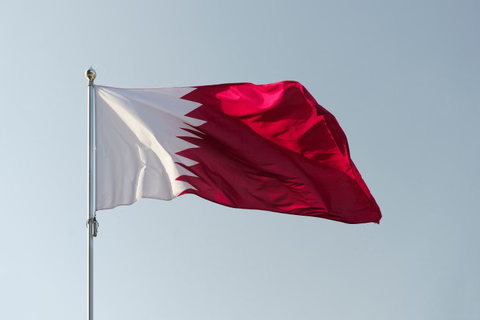
Qatar has officially announced the dates for the Eid Al Adha holidays for ministries and other public institutions, providing clarity for the upcoming religious observance. The holidays are set to commence on Tuesday, May 26, 2026, according to official statements released by the authorities. This designated period will allow public sector employees across various government entities to observe the significant Islamic occasion, participating in its traditions and festivities. The announcement ensures that all relevant public bodies are aware of the schedule, facilitating planning and coordination for the short-term closure.
Public Sector Holiday Schedule
The holiday for ministries and other public institutions in Qatar will continue until Saturday, May 30, 2026. This period establishes a five-day break for employees in the public sector, including those working in government bodies, public institutions, and state-affiliated organizations. The official announcement specifies the duration of the observance for Eid Al Adha, providing key clarity for planning across various sectors that interact with government services. The public holiday period is designed to allow individuals to fully participate in religious festivities, spend quality time with family, and engage in community activities associated with Eid Al Adha. Following the conclusion of the holiday, public sector operations are expected to resume on the subsequent working day, ensuring a smooth transition back to regular service provision. The structured holiday schedule aims to balance the spiritual and social needs of the community with the operational requirements of the state.
Separate Banking Sector Dates
In a distinct arrangement, holiday dates for the Qatar Central Bank, as well as for banks and other financial institutions operating within Qatar, will be determined independently. The governor of the Qatar Central Bank is specifically responsible for setting these separate holiday schedules, reflecting the unique operational demands of the financial sector. This separation ensures that the banking and financial sectors can maintain operational continuity, manage critical transactions, or adjust their services according to their unique requirements during the Eid Al Adha period, distinct from the public sector's announced dates. This procedure allows for specialized consideration of financial market operations, international banking schedules, and client needs, ensuring stability and accessibility within the financial system even during public holidays. The central bank's authority in this matter shows the importance of tailored holiday planning for the financial industry.
Context of Eid Al Adha
The Eid Al Adha holiday period aligns precisely with the Islamic calendar, specifically corresponding to Dhu Al Hijjah 9 through Dhu Al Hijjah 13. This five-day span marks one of the most important observances in the Islamic faith, universally known as the "Festival of Sacrifice." Eid Al Adha commemorates Prophet Ibrahim's profound willingness to sacrifice his son, Ismail, as an ultimate act of obedience to God. Tradition recounts that before the sacrifice could be completed, God intervened and mercifully provided a ram to be sacrificed instead. The holiday is traditionally observed with a series of deeply meaningful practices, including special congregational prayers, extensive family gatherings, significant charitable acts, and the sharing of meals, often involving the ritual sacrifice of livestock. Its precise timing is determined by the sighting of the moon, which also dictates the conclusion of the annual Hajj pilgrimage to Mecca, making it a globally significant event for Muslims.
Broader Implications and Observances
Public sector employees in Qatar are scheduled to resume work on Sunday, May 31, 2026, following the conclusion of the Eid Al Adha holiday period. This specified return date marks the definitive end of the official break for ministries and other public institutions, as announced by authorities, and signals the recommencement of government services. This full schedule allows for the full observance of the religious festival, which spans from Dhu Al Hijjah 9 through Dhu Al Hijjah 13 according to the Islamic calendar, ensuring ample time for spiritual reflection and community engagement. The five-day holiday period facilitates widespread community participation in traditional festivities, including morning prayers, visiting relatives and friends, and engaging in charitable activities to support those in need. Organizations within the public sector are expected to make all necessary preparations for the efficient resumption of normal operations on the designated Sunday, ensuring minimal disruption to public services.