From the archive
Qatar Condemns Barakah Nuclear Plant Attack, Reaffirms UAE Solidarity at IAEA
Qatar condemns the attack on the UAE's Barakah Nuclear Power Plant, reaffirming solidarity with the UAE at an IAEA meeting.

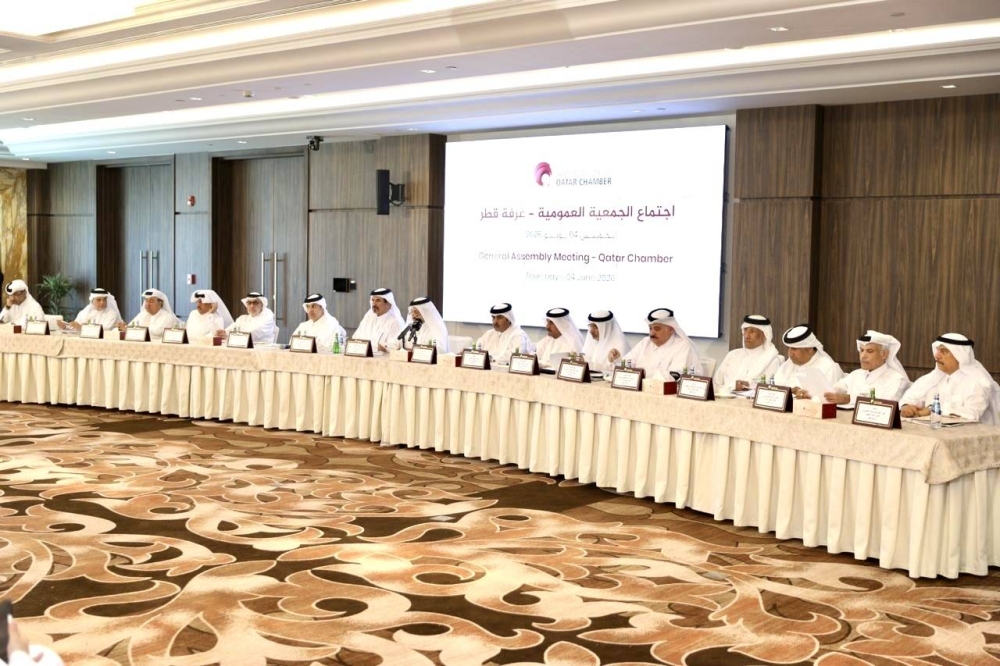
The State of Qatar has reiterated its strong condemnation of the attack targeting the Barakah Nuclear Power Plant in the UAE, stating it violates international law and nuclear safety principles. This unwavering stance shows Qatar's commitment to regional stability and adherence to international norms. Qatar's Ambassador to Austria and Permanent Representative to the United Nations Office and other international organisations in Vienna, Jassim Yaqoub Al Hammadi, outlined this position during an emergency session of the International Atomic Energy Agency (IAEA) Board of Governors. The session was convened at the request of several Arab member states to discuss the attack's implications, specifically focusing on the serious repercussions for nuclear safety and security in the region. Ambassador Al Hammadi affirmed, "The security of the UAE is an integral part of the security of the Gulf Cooperation Council (GCC) states and the wider region." He described targeting peaceful nuclear facilities as a grave violation of international law, the UN Charter, and the principles of nuclear safety and security enshrined in the IAEA Statute and its resolutions. "Attacks on operational nuclear facilities pose serious risks to civilians, the environment, and regional and international security, and could potentially result in radiological consequences," Al Hammadi added, emphasizing "dialogue, diplomacy, and adherence to international law" as the essential path to achieving lasting stability.
Violation of International Law and Humanitarian Principles
Qatar described the attack on the Barakah Nuclear Power Plant as a clear violation of international law, international humanitarian law, and the fundamental principles governing nuclear safety and security. This full condemnation notes the multi-faceted nature of the breach caused by such an act. Jassim Yaqoub Al Hammadi, Qatar's Ambassador to Austria and Permanent Representative to the United Nations Office in Vienna, stated that targeting peaceful nuclear facilities violates international law, the United Nations Charter, and the principles of nuclear safety and security embedded in the IAEA Statute and its resolutions. "Targeting peaceful nuclear facilities constitutes a violation of international law, the United Nations Charter, and the principles of nuclear safety and security enshrined in the IAEA Statute and relevant resolutions," Ambassador Al Hammadi affirmed, leaving no ambiguity regarding Qatar's position. He further emphasized the severe dangers posed by such actions, not only to immediate infrastructure but also to broader human and environmental well-being. "Attacks on operational nuclear facilities pose serious risks to civilians, the environment, and regional and international security, and could potentially result in radiological consequences," Al Hammadi added, noting the potential for widespread and devastating harm that extends far beyond national borders. The Ambassador's remarks showed the critical importance of safeguarding such facilities under all circumstances.
Regional Security and the Indispensable Role of the IAEA
Jassim Yaqoub Al Hammadi, Qatar's Ambassador to Austria and Permanent Representative to the United Nations Office and other international organisations in Vienna, showed the interconnectedness of regional stability, asserting that any threat to one nation's security impacts the entire collective. "The security of the UAE is an integral part of the security of the Gulf Cooperation Council (GCC) states and the wider region," Ambassador Al Hammadi stated, reinforcing the principle of collective security. Demonstrating this solidarity and shared concern, Qatar joined a joint statement delivered by the UAE's Assistant Minister of Foreign Affairs for Energy and Sustainability. This significant statement was issued on behalf of a broad coalition of regional partners, including the UAE, Jordan, Bahrain, Saudi Arabia, Kuwait, and Qatar, collectively addressing the incident and presenting a unified front. The joint statement served to amplify the regional condemnation of the attack and reiterate the shared commitment to nuclear safety and security.
The International Atomic Energy Agency (IAEA) received commendation for its prompt and effective response to the attack. The agency was recognized for its swift action in monitoring developments, meticulously assessing the impact of the attack, and actively supporting emergency preparedness and response efforts. These actions were key in ensuring the integrity of the nuclear facility and mitigating potential risks. The IAEA Director General was praised for his consistent and unwavering attention to critical nuclear safety and security issues, demonstrating leadership in a challenging environment. Qatar and its regional partners welcomed the Director General's reaffirmation that "nuclear facilities and infrastructure essential to nuclear safety must never be targeted in military operations under any circumstances." This principle, articulated clearly by the IAEA's top official, notes the international community's shared and urgent concern regarding the protection of such critical infrastructure from any form of military aggression, emphasizing the catastrophic potential of such targeting. The recognition of the IAEA's role shows its vital importance as the global authority for nuclear cooperation and safety.
Diplomacy for Lasting Peace and Stability
Qatar reaffirmed its full solidarity with the government and people of the UAE following the attack on the Barakah Nuclear Power Plant. This expression of support reflects the deep bonds and shared interests among the GCC member states. Jassim Yaqoub Al Hammadi, Qatar's Ambassador to Austria and Permanent Representative to the United Nations Office in Vienna, articulated this resolute stance during the IAEA Board of Governors emergency session, emphasizing the importance of unity in the face of threats to regional security.
Ambassador Al Hammadi emphasized that dialogue, diplomacy, and adherence to international law and the principles of the United Nations Charter offer the most viable and sustainable route to regional peace and stability. He stressed that these tools are not merely options but necessities for addressing complex challenges. "Dialogue, diplomacy, and adherence to international law and the principles of the United Nations Charter remain the only sustainable path toward achieving lasting peace and stability in the region and addressing the root causes of crises," Ambassador Al Hammadi stated, providing a clear roadmap for conflict resolution. He showed the necessity of these diplomatic tools to resolve conflicts peacefully, foster enduring stability in the Middle East, and prevent further escalation of tensions. Qatar's consistent advocacy for diplomatic solutions notes its belief in a rules-based international order and its commitment to contributing positively to regional security.