From the archive
Qatar Condemns Iranian Attack on Iraq's Kurdistan Region
Qatar condemns Iran's attack on Iraq's Kurdistan Region, deeming it a violation of sovereignty and international law.
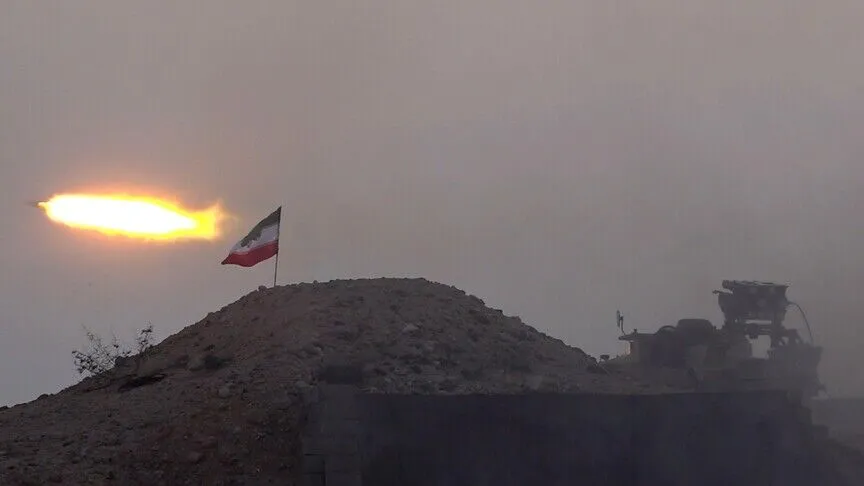
The State of Qatar condemned an Iranian attack targeting Iraq's Kurdistan Region, according to a report published on July 17, 2026. The condemnation from Doha shows growing concerns over regional stability and adherence to international legal norms.
Violation of Sovereignty
Qatar stated the attack constituted a violation of Iraq's sovereignty and a breach of international law. The Qatari Ministry of Foreign Affairs emphasized that such actions undermine regional stability and security. This strong denouncement notes the gravity with which Qatar views infringements upon national borders and the established international order. The ministry's statement reiterated that respect for national sovereignty is a cornerstone of peaceful coexistence among nations. Doha also expressed its support for all measures taken to protect the sovereignty and security of Iraq and its Kurdistan Region. This stance aligns with Qatar's consistent foreign policy regarding the respect for national borders and non-interference in internal affairs, principles it consistently champions in its diplomatic engagements. The State of Qatar views any unprovoked military action across recognized borders as a serious threat to regional peace and security.
Regional Stability Concerns
The Qatari Ministry of Foreign Affairs statement warned of wider consequences on regional stability following the Iranian attack. The ministry stressed the need to prevent further repercussions stemming from such "unjustified" attacks, showing the potential for a broader destabilization of the Middle East. It showed the importance of de-escalation and adherence to international law to maintain peace in the region, advocating for a measured response to avoid exacerbating tensions. Qatar's government emphasized that respecting national sovereignty is fundamental to preventing an escalation of tensions and ensuring the security of all states in the area. The ongoing stability of Iraq and its Kurdistan Region remains a key concern for regional security, given its strategic importance and the complex geopolitical dynamics at play. Preventing actions that could destabilize the area is key for all parties involved, as any escalation could have broad implications beyond immediate borders. The ministry's warning serves as a call for all actors to exercise restraint and prioritize diplomatic solutions.
Diplomatic Stance
The Qatari Ministry of Foreign Affairs described the Iranian attack as a "flagrant violation" of the sovereignty of Iraq and the Kurdistan Region. This strong language reflects the severity of the act as perceived by Doha. The ministry further characterized the attack as "unjustified," indicating a lack of legitimate basis for such military action under international law. In response, the Ministry of Foreign Affairs urged continued reliance on dialogue and diplomacy as the primary means to resolve disputes. It also called for concerted efforts to reduce tensions and strengthen regional and international security, advocating for a collaborative approach to peacebuilding. Qatar's statement noted the importance of these diplomatic avenues to prevent further escalation and maintain stability in the region, emphasizing that peaceful negotiation is the most effective path forward. The call for dialogue reinforces Qatar's long-standing commitment to mediation and peaceful conflict resolution.
Solidarity and Support
Doha reaffirmed its full solidarity with Iraq and the Kurdistan Region, expressing unwavering support in the face of external aggression. Qatar's government emphasized its unwavering support for Iraq's territorial integrity and the security of its autonomous Kurdistan Region following the Iranian attack. This reaffirmation shows Qatar's commitment to standing with nations facing external aggression that threatens their sovereignty and stability. The statement from Doha noted the importance of collective action to uphold international law and protect the stability of the Middle East, suggesting that a united front is necessary to deter future violations. Qatar continues to advocate for peaceful resolutions and the protection of national borders in the face of regional challenges, consistently promoting a foreign policy rooted in mutual respect and adherence to international norms.