From the archive
Qatar Demands Unconditional Reopening of Strait of Hormuz, Cites Unacceptable 'No War, No Peace' State
Qatar calls the US-Iran "no war, no peace" state unacceptable and demands the unconditional reopening of the Strait of Hormuz for regional stability.
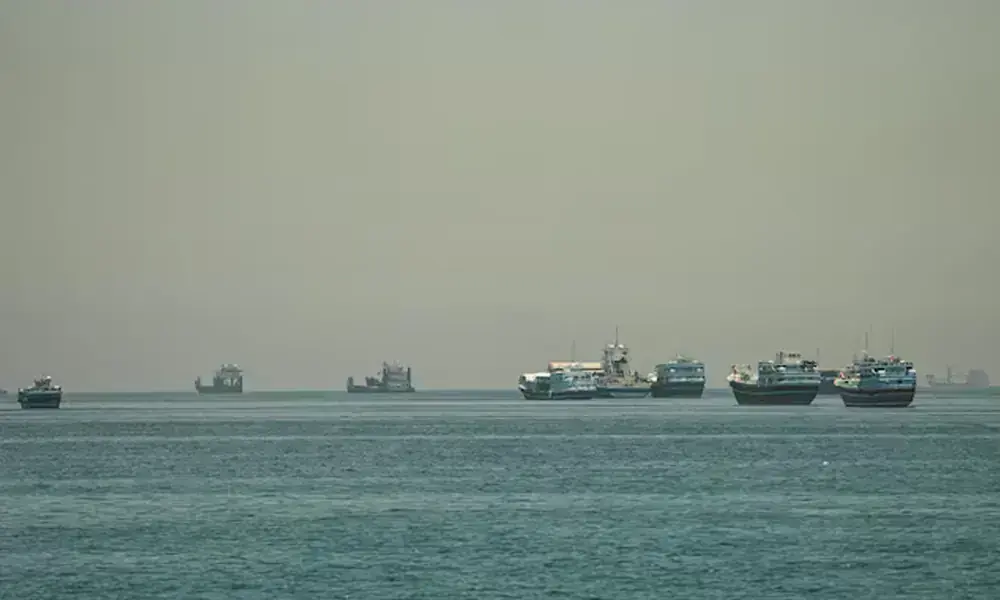
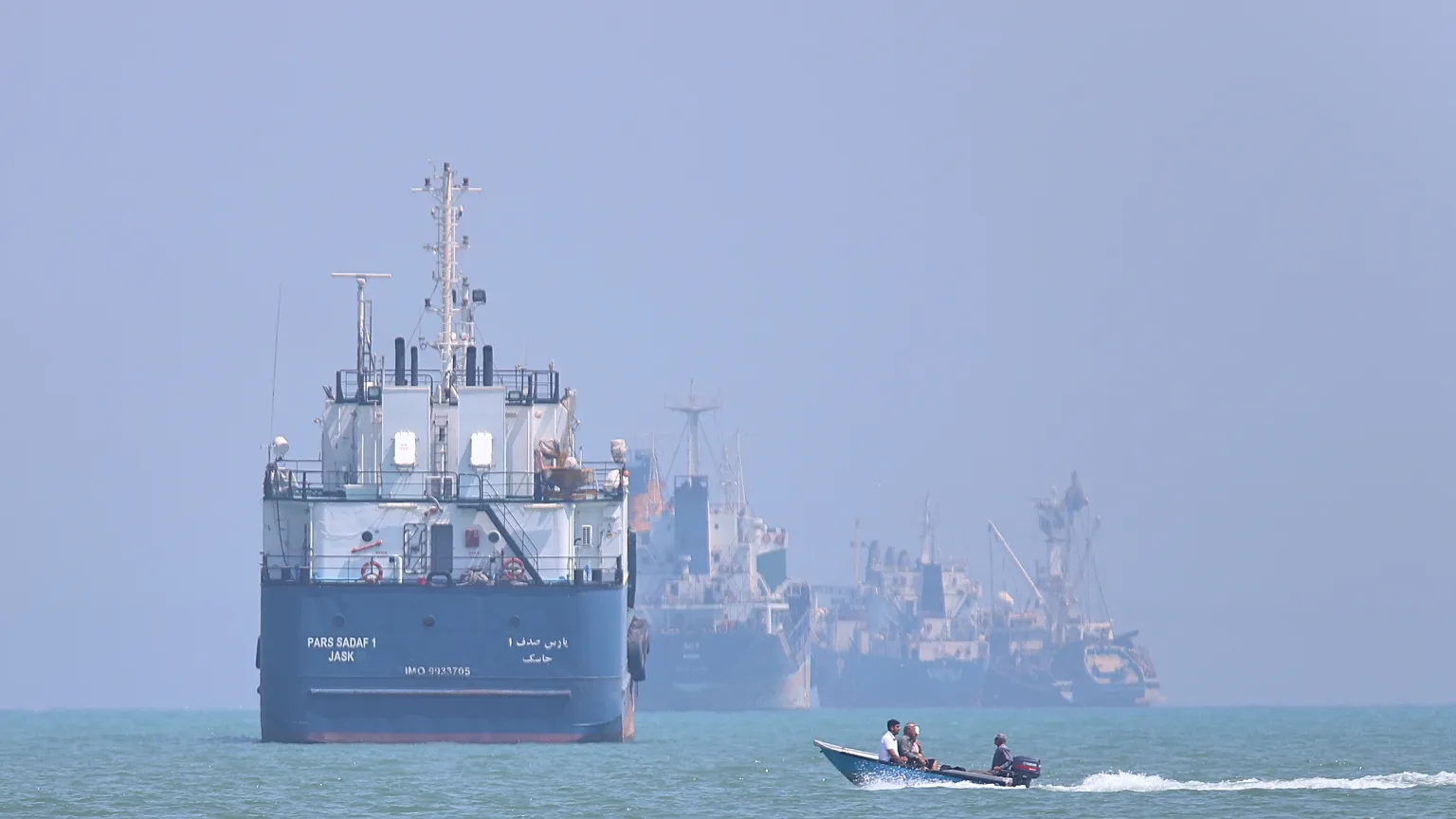
Qatar stated on Tuesday that the ongoing "no war, no peace" situation concerning the US-Iran conflict is "unacceptable." The Gulf nation called for the crisis to be resolved through dialogue and for the Strait of Hormuz to be reopened unconditionally. This declaration from Doha emphasizes the need for a diplomatic resolution to the tensions between the United States and Iran, which have impacted regional stability and maritime security in the vital shipping lane. Qatar's firm stance shows its commitment to fostering peace and stability in the Middle East, particularly in light of the critical economic implications tied to the Strait of Hormuz. The country's demand notes the urgency of addressing the current geopolitical stalemate.
Stalled Diplomatic Efforts
Washington and Tehran signed a memorandum of understanding in June, mediated by Pakistan and Qatar. The agreement stipulated a halt to military operations and outlined arrangements for the reopening of the Strait of Hormuz to navigation. This initial diplomatic breakthrough offered a glimmer of hope for de-escalation and the restoration of normal maritime traffic through the key waterway.
However, implementation of the agreement later stalled. Disagreements arose concerning mutual commitments between the parties and the conditions for navigation through the strait. These unresolved issues prevented the full realization of the memorandum's objectives. Hostilities subsequently resumed in July, marking a setback for the diplomatic efforts to de-escalate tensions in the critical waterway. The resumption of conflict demonstrated the fragility of the earlier understanding and the deep-seated nature of the disagreements between the involved parties.
Escalation and Regional Impact
The conflict between the United States and Israel and Iran escalated significantly on February 28. Tehran reported that this military action resulted in the deaths of more than 3,000 people. This renewed military engagement marked a stark contrast to earlier diplomatic efforts aimed at de-escalating tensions in the region. The escalation has further complicated the security landscape surrounding the Strait of Hormuz, a critical maritime passage that Qatar has called to be reopened unconditionally. The ongoing situation shows the fragility of regional stability, particularly after previous attempts to establish a "no war, no peace" understanding failed to prevent a return to conflict. The loss of life reported by Tehran emphasizes the severe human cost of the continued hostilities and the urgent need for a lasting resolution.
Qatar's Diplomatic Stance
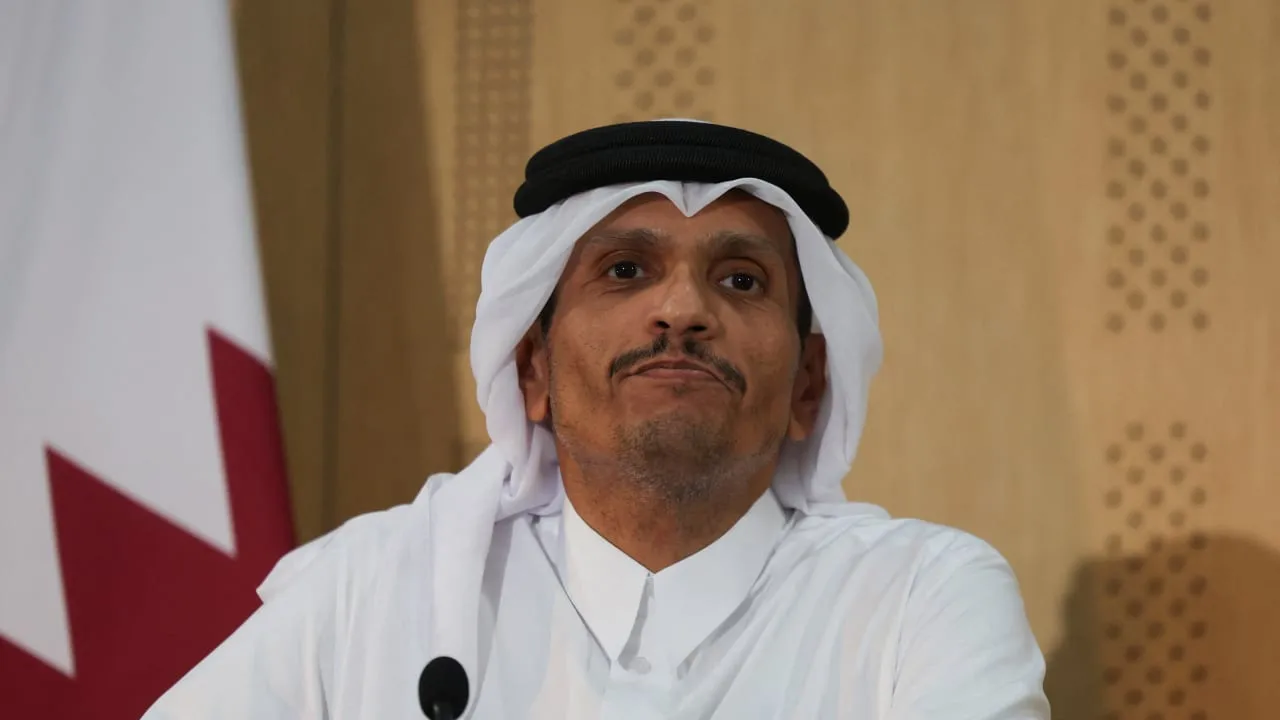
Ibrahim al-Hashimi, director of the Media and Communications Department at the Qatari Foreign Ministry, addressed reporters at a press conference. He stated that the ongoing situation in the region, characterized as "neither peace nor war," is unacceptable. "This is draining the region, and the crisis must be ended through dialogue," al-Hashimi asserted. He further emphasized the critical importance of the Strait of Hormuz, declaring, "The Strait of Hormuz must be opened without conditions, and ensuring that it is not used as a pressure card is a top priority." His remarks showed Qatar's call for a diplomatic resolution to regional tensions and unimpeded maritime passage. Al-Hashimi's comments reflect a broader concern within the Gulf region regarding the economic and security implications of prolonged instability.
Call for Dialogue
Ibrahim al-Hashimi, director of the Media and Communications Department at the Qatari Foreign Ministry, reiterated Qatar's position on the vital waterway. He emphasized that the Strait of Hormuz's status as a critical shipping lane necessitates its unconditional reopening. Al-Hashimi stressed the importance of preventing the strait from being leveraged for political gain. "The Strait of Hormuz must be opened without conditions, and ensuring that it is not used as a pressure card is a top priority," al-Hashimi stated. His remarks noted Qatar's consistent call for freedom of navigation and a resolution to regional tensions through diplomatic means, not through restricting access to the key maritime passage. The Qatari official's statements reinforce the nation's role as a mediator and advocate for peaceful solutions in regional disputes.