From the archive
Qatar Foundation Launches Rasekh Accreditation Framework to Bridge International Education with Local Identity
Qatar Foundation launches Rasekh accreditation framework to blend international education with local cultural and linguistic identity.
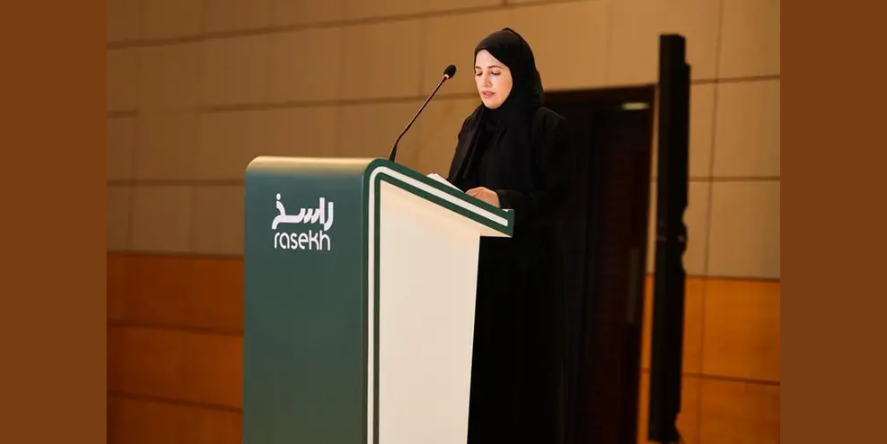
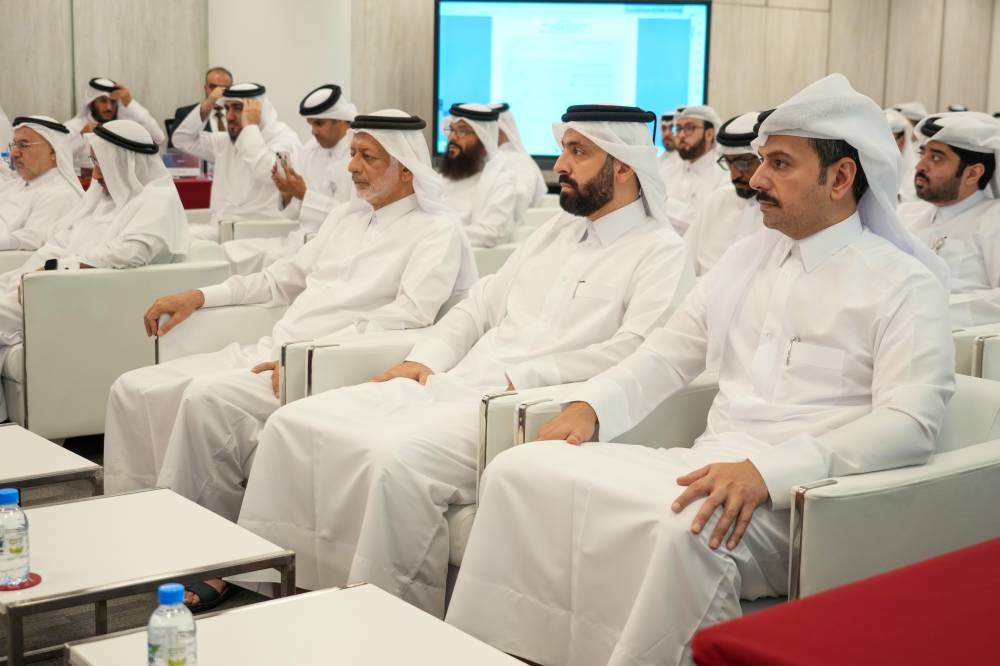
Qatar Foundation has launched an accreditation framework for its Rasekh initiative, which aims to connect international education with local cultural and linguistic identity. The framework was unveiled during the Rasekh Strategic Forum held at Multaqa, the Education City Student Center. The launch of this accreditation framework marks a key moment for the Rasekh initiative, reinforcing its commitment to fostering a unique blend of global educational standards with local cultural richness. During the forum, the first group of schools from Qatar and the wider region were announced as participants in this new educational pathway. Yousif Al-Naama, Chief Executive Officer of Qatar Foundation, was present at the event, showing the significance of this development. The initiative seeks to ensure that students receive a globally recognized education while remaining connected to their cultural roots and Arabic language. This development represents a significant step in integrating local identity into international schooling models, providing a structured approach to achieve this balance.
Rasekh Framework Details
The Rasekh framework aims to support schools in fostering Arabic as a language for both learning and the development of knowledge. It also works to align international curricula with the local context, integrating core values into the daily life of schools and directing innovation toward community needs and local challenges. This full approach is designed to ensure that educational institutions can adapt global curricula to resonate with the specific cultural and societal nuances of the region. The initiative emphasizes the importance of embedding ethical and citizenship values, ensuring students develop a strong sense of identity and responsibility.
The accreditation framework itself is built upon four distinct standards: Arabic Language, Curriculum Localization, Ethical and Citizenship Values, and Local and Global Innovation. These standards guide the implementation and assessment of the program within participating educational institutions, providing a clear roadmap for schools to follow. The Arabic Language standard focuses on enhancing proficiency and appreciation for the language, while Curriculum Localization ensures that international content is made relevant to the local context. Ethical and Citizenship Values aim to cultivate responsible and culturally aware individuals, and Local and Global Innovation encourages creative solutions to community challenges.
The accreditation pathway for Rasekh is structured into five integrated stages. These stages include the initial application and institutional commitment, where schools formally express their interest and dedication to the framework's principles. This is followed by a self-assessment phase, allowing institutions to critically evaluate their current practices against the Rasekh standards. Subsequent steps involve an external review and evaluation conducted by the Rasekh team, leading to the accreditation decision. The final stage comprises periodic reviews designed to ensure continuous development and improvement within the accredited schools, fostering an ongoing commitment to excellence and cultural integration.
First Accredited Schools
The initial group of schools participating in the Rasekh accreditation program has been announced, comprising institutions from Qatar, Jordan, and Lebanon. This diverse cohort signifies the regional ambition of the Rasekh initiative. From Qatar Foundation's network, the cohort includes several Qatar Foundation schools, demonstrating an internal commitment to the framework's principles. Additionally, two independent schools from Qatar, Al Maha Academy for Boys and Al Maha Academy for Girls, have joined the pioneering group. Al Jazeera Academy and the Arab International Academy in Doha, alongside the Arab International Academy in Lusail, are also part of this inaugural cohort, further expanding the local reach. Beyond Qatar's borders, the Amman Baccalaureate School in Jordan and the Houssam Eddine Hariri High School in Lebanon are among the first institutions to adopt the Rasekh framework. This selection represents a diverse range of educational establishments committed to integrating local identity and the Arabic language into their international curricula. The inclusion of schools from different countries notes the regional ambition of the Rasekh initiative, aiming to establish a benchmark for culturally relevant international education across the wider Middle East. These schools will be the first to undergo the five-stage accreditation pathway, which includes self-assessment, external review, and periodic evaluations to ensure continuous development and adherence to the framework's standards.
Launch of 'Roots' Campaign
The awareness campaign named ‘Roots’ was launched as part of the Rasekh initiative. The campaign communicates three core messages to the public, designed to resonate with the initiative’s foundational goals. These messages are articulated as ‘Roots that Empower the Arabic Language’, emphasizing the initiative’s commitment to linguistic development and the vital role of Arabic as a language of learning and knowledge. Another key message is ‘Roots that Instill Values’, noting the framework's role in character building and the integration of ethical and citizenship values. The third message, ‘Roots that Nurture Identity’, shows the program's focus on cultural connection and the preservation of local identity among students. The campaign aims to disseminate the foundational principles and objectives of the Rasekh accreditation framework to a broader audience, fostering understanding and support for its mission.
Vision for Education
Schools that successfully meet the framework’s requirements will be granted the Rasekh accreditation certificate, along with the right to use the Rasekh quality mark and membership in the Rasekh school network. This recognition serves as a testament to their commitment to integrating local identity and the Arabic language into their educational offerings. The recent forum served as a platform for school leaders and international education institutions to discuss how the Rasekh accreditation offers a practical and measurable roadmap for integrating local identity and Arabic language into educational curricula. The forum brought together these key stakeholders to explore collaborative strategies and share best practices, further solidifying the initiative's vision for a globally recognized yet culturally rooted education system.