From the archive
Qatar Intensifies Libyan Unity Efforts with Egypt, Turkiye
Qatar intensifies diplomatic efforts with Egypt and Turkiye to unite Libya, highlighted by the Qatari Foreign Minister's first visit to eastern Libya in…
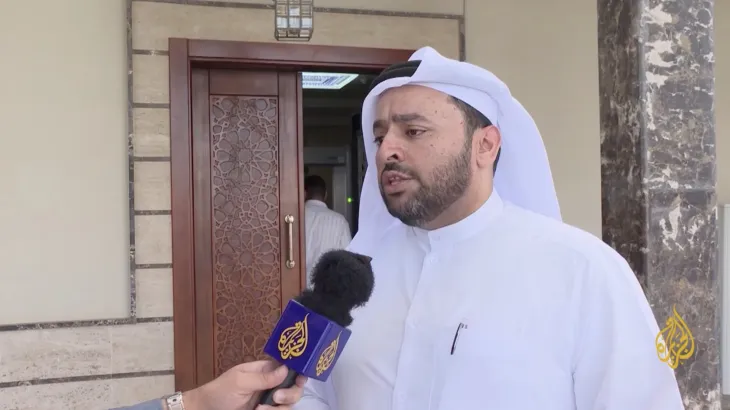
Qatar’s Minister of State for Foreign Affairs recently made a visit to eastern Libya, marking the first such visit by a Qatari official in 14 years. The unexpected trip signals Qatar's heightened diplomatic engagement aimed at fostering unity within Libya and aligning with efforts by regional powers like Egypt and Turkiye. This move shows a renewed focus on stabilizing the North African nation, which remains divided among competing political factions. The visit by Qatar’s Minister of State for Foreign Affairs is seen as a significant step in re-establishing direct communication channels with authorities in eastern Libya after a prolonged period. This direct engagement is key for building trust and facilitating dialogue between the various Libyan stakeholders, which has often been hampered by historical divisions and external influences. The diplomatic overture by Qatar suggests a shift in regional dynamics, emphasizing collaborative solutions for Libya’s complex political landscape.
Diplomatic Push Details
Qatar, Egypt, and Turkiye are actively intensifying diplomatic efforts to unite Libya after more than a decade of internal conflict. The country remains divided, with two rival authorities contending for control. This coordinated push by the three nations aims to foster a unified government and bring stability to the North African state. The recent visit by Qatar’s Minister of State for Foreign Affairs to eastern Libya, the first by a Qatari official in 14 years, shows this renewed diplomatic engagement. The move notes a concerted regional approach to bridge the political divides and support a resolution to the prolonged power struggle. These concentrated efforts reflect a shared objective among the three countries to facilitate a political process that can lead to a lasting peace and a unified Libyan state. The collaboration between these regional powers suggests a recognition that a fragmented Libya poses risks to broader regional stability, making a unified and stable government a priority. Their combined diplomatic weight is expected to encourage dialogue and compromise among the warring factions.
Historic Ministerial Visit
Qatar’s Minister of State for Foreign Affairs recently undertook a visit to eastern Libya, marking the first such visit by a Qatari official in 14 years. The unexpected trip signals Qatar's heightened diplomatic engagement aimed at fostering unity within Libya. This move aligns with efforts by regional powers like Egypt and Turkiye, showing a renewed focus on stabilizing the North African nation. The country remains divided, with two rival authorities contending for control. Qatar, Egypt, and Turkiye are actively intensifying diplomatic efforts to unite Libya after more than a decade of internal conflict. This coordinated push aims to foster a unified government and bring stability to the North African state. The recent visit is seen as a significant step in re-establishing direct communication channels with authorities in eastern Libya after a prolonged period. Such high-level direct contact is often a prerequisite for meaningful negotiations and the eventual reconciliation of differing political agendas. The symbolic importance of this visit cannot be overstated, as it signals Qatar's commitment to a more inclusive approach to Libyan diplomacy.
Context of Division
Libya remains deeply fractured, with two primary rival authorities vying for control over the country. In the east, the House of Representatives, supported by the Libyan National Army (LNA), maintains its seat of power. This eastern administration has significant influence over a large portion of the country's territory and resources. Meanwhile, the internationally recognized Government of National Unity (GNU) is based in the capital, Tripoli, in western Libya. The GNU holds legitimacy on the global stage and controls key institutions in the west. This enduring political division has persisted for over a decade, stemming from the 2011 uprising and subsequent conflicts that led to the collapse of centralized authority. The competing administrations have led to parallel institutions and a complex geopolitical landscape, complicating efforts towards national reconciliation and unification. International and regional actors have long sought to bridge this divide and establish a single, unified government capable of overseeing the entire nation. The ongoing division has also hindered economic recovery and the provision of essential services to the Libyan population.