From the archive
Qatar National Library Launches Second Edition of 'Keys to Palestine' Initiative
Qatar National Library launches the second edition of its digital initiative "Keys to Palestine" to preserve and share Palestinian heritage.
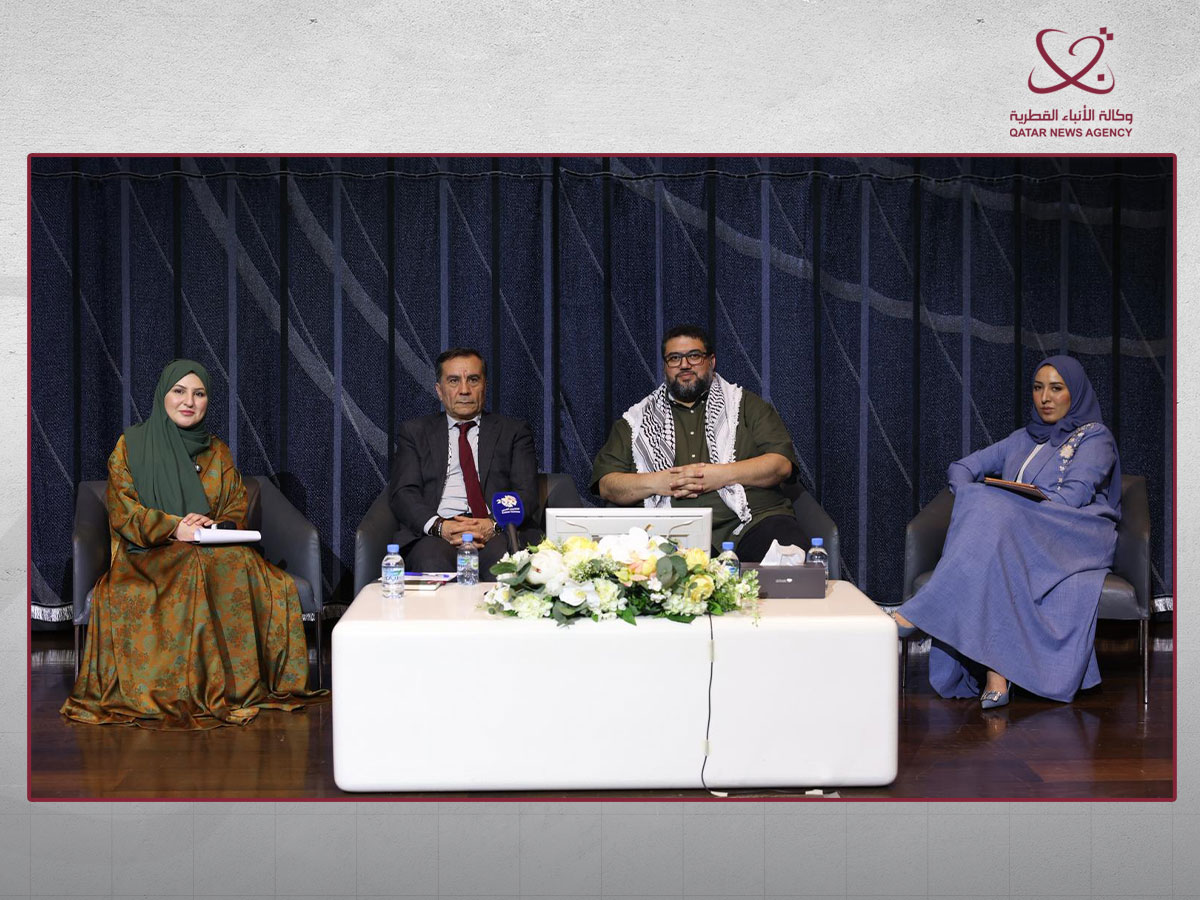
Qatar National Library launched the second edition of its digital community initiative, "Keys to Palestine," on June 6, 2026. The initiative aims to preserve and share Palestinian heritage through digital efforts. The launch event for this second edition, titled "Keys to Palestine: Memory, Stories, and Documentation," marked a significant step in the ongoing efforts to safeguard Palestinian cultural identity. The event showed the Library’s commitment to utilizing digital platforms for historical preservation and community engagement.
Preserving Palestinian Memory
The initiative aims to preserve the history of social life and document the collective memory of Palestinians. The second edition of the program specifically focuses on documenting Palestinian history through various mediums, including films, photography, oral history, and written stories. This concentrated approach ensures a full capture of historical narratives. Participants in the initiative discussed how storytelling, across its diverse forms, serves as a key means of preserving cultural heritage and reviving collective memory. This approach seeks to ensure that historical narratives and lived experiences are systematically collected and made accessible. The speakers emphasized that the act of sharing personal and collective stories is vital for maintaining a connection to the past and for educating future generations. The emphasis on multimedia documentation reflects an effort to capture the breadth of Palestinian heritage for future generations, making it accessible to a wider audience both locally and internationally.
Launch Event Notes
The launch event for "Keys to Palestine: Memory, Stories, and Documentation" commenced with a recognition ceremony for participants from the initiative's first edition. This segment noted the successful contributions and dedication of those involved in the initial phase of the project, acknowledging their role in laying the groundwork for the initiative's expansion. Following this, attendees viewed short films and photographs from Palestine. These compelling visual works were produced by students from the Arab American University in Palestine (الجامعة العربية الأمريكية في فلسطين), showcasing their contributions to documenting Palestinian narratives. The presentations offered a powerful glimpse into the daily lives, struggles, and resilience of the Palestinian people, as captured through the lens of emerging artists and documentarians.
A panel discussion was held after the film and photo presentations, providing deeper insights into the initiative's goals and methods. The esteemed panel featured Bashar Hamdan (بشار حمدان), Dr. Khaled Al-Haroub (الدكتور خالد الحروب), Khawla Bouslama (خولة بوسلام), and Dr. Hanadi Duweikat (الدكتورة هنادي دويكات). The discussion provided a platform for experts to elaborate on the themes presented and the broader goals of the initiative. The speakers discussed how storytelling in its various forms is a means of preserving cultural heritage and reviving collective memory. They noted the importance of individual testimonies and creative expressions in constructing a complete historical record.
Call for Participation
The second edition of the "Keys to Palestine" initiative operates under the slogan "Expanding the initiative's scope to document Palestinian memory through films, photography, oral history, and storytelling." This guiding principle emphasizes a multifaceted approach to preserving cultural heritage. Qatar National Library has encouraged a wide range of individuals and organizations to contribute to this effort. The library specifically urged students, researchers, content creators, and cultural institutions to participate in the initiative, noting the importance of collective involvement in documenting Palestinian history. This call aims to gather diverse perspectives and materials, reinforcing the initiative's goal of comprehensively archiving Palestinian memory through various mediums, thereby enriching the collective archive and ensuring the longevity of these invaluable records. The Library anticipates that this collaborative approach will significantly enhance the depth and breadth of the documented Palestinian heritage.