From the archive
Qatar Pledges Assistance to Iran Amid Regional Tensions
Qatar pledged to provide all possible assistance to ease hardships facing the Iranian people amid heightened regional tensions in the Middle East.
Qatar pledged Thursday to provide all possible assistance aimed at easing the hardships facing the Iranian people. The commitment from Qatar comes amid heightened regional tensions, a period marked by significant geopolitical shifts and military engagements across the Middle East. This pledge shows Qatar's proactive diplomatic stance in managing regional stability and addressing humanitarian concerns.
Aid and Regional Stability
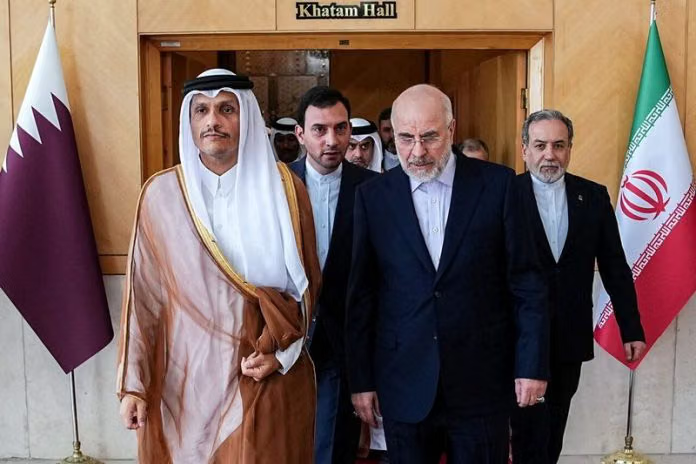
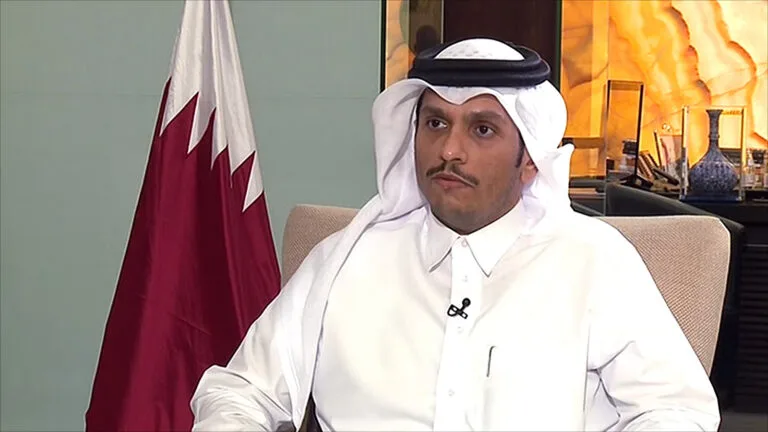
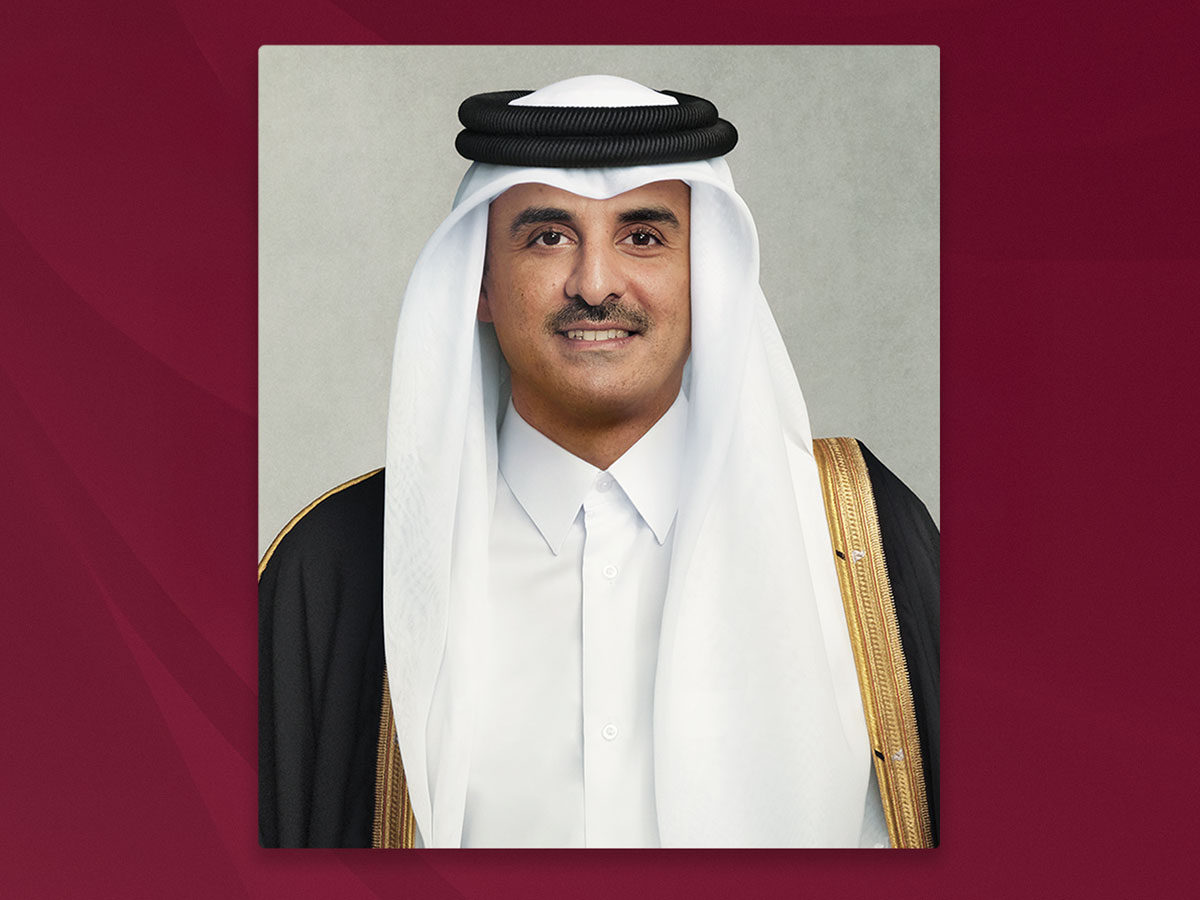
Qatari Prime Minister Sheikh Mohammed bin Abdulrahman Al Thani made the pledge of assistance during a meeting with Iranian President Masoud Pezeshkian. During their discussions, Sheikh Mohammed also stated that the matter of Iranian pilots, whom Tehran claims were captured by Qatar, would be pursued “sincerely.” This particular issue notes the complex and sometimes sensitive nature of bilateral relations in the region. He further conveyed a message of personal regard, stating that Emir Sheikh Tamim bin Hamad Al Thani considers President Pezeshkian “as a brother,” signaling a desire for strong, amicable ties between the two nations' leadership.
"Qatar does not want the Iranian people to face difficulties while the countries of the region merely watch," Sheikh Mohammed said, emphasizing the need for regional engagement and collective responsibility. He further expressed "deep and sincere respect" for the Iranian leadership, indicating a foundation of mutual understanding despite past complexities. The Qatari Prime Minister showed the importance of ongoing dialogue, adding, "We hope that, through the continuation of this approach, the challenges ahead will be resolved." This statement reflects Doha's consistent advocacy for diplomatic solutions to regional crises. Sheikh Mohammed's visit to Tehran marked his first to Iran since the conflict began with US and Israeli strikes in late February, signifying a renewed push for direct engagement at a critical juncture.
Bilateral Relations and Past Tensions
Doha recognizes Iran’s diplomatic outreach to regional countries and its efforts to promote security and de-escalation, according to Qatari officials. This acknowledgment comes as regional dynamics continue to shift, with various actors seeking to redefine their roles and relationships. Qatar's recognition of Iran's diplomatic endeavors suggests a shared interest in fostering a more stable environment. Iran and the United States previously signed a memorandum of understanding in June, an agreement that followed mediation efforts by both Pakistan and Qatar. This successful mediation demonstrates the key role Qatar has played in facilitating high-level diplomatic exchanges, particularly between Tehran and Washington. The diplomatic channels facilitated by Qatar have often played a key role in bridging communication gaps between various regional actors, contributing to de-escalation efforts.
However, the relationship has also seen periods of heightened tension, reflecting the volatile nature of regional geopolitics. Tehran launched retaliatory attacks on several Gulf countries, including Qatar, earlier this year following US-Israeli attacks. Such incidents show the delicate security environment in the region and the complex web of alliances and antagonisms that states like Qatar must navigate. These retaliatory strikes highlight the ripple effects of broader conflicts and the challenges faced by countries attempting to maintain neutrality and promote peace. The Qatari government has consistently emphasized the importance of dialogue and de-escalation to prevent further instability, a principle that guides its foreign policy.
Qatar's Diplomatic Role
Doha is actively working to restore stability in the region, a diplomatic effort showed by its recent engagements and its consistent call for peaceful resolutions. Sheikh Mohammed bin Abdulrahman Al Thani, who also serves as Qatar’s foreign minister, has been central to these discussions, leveraging his dual role to enhance diplomatic reach and effectiveness. His leadership in these efforts reflects Qatar's commitment to playing a constructive role in regional affairs. The Qatari capital's commitment to regional de-escalation comes despite past incidents that noted existing tensions and the inherent risks of regional conflicts. Iran targeted Qatar’s Al Udeid Air Base, which hosts US military forces, in June 2025 during its 12-day war with Israel. This attack on a key military installation further complicated the security landscape and showed the potential for escalation, but it has not deterred Qatar's persistent diplomatic outreach. Qatar's continued engagement, even in the face of such challenges, reinforces its dedication to fostering dialogue and preventing wider conflict.