From the archive
Qatar Prepares LNG Resumption Amid Strait of Hormuz Security Concerns
Qatar prepares to resume LNG exports, moving six carriers toward the Gulf.
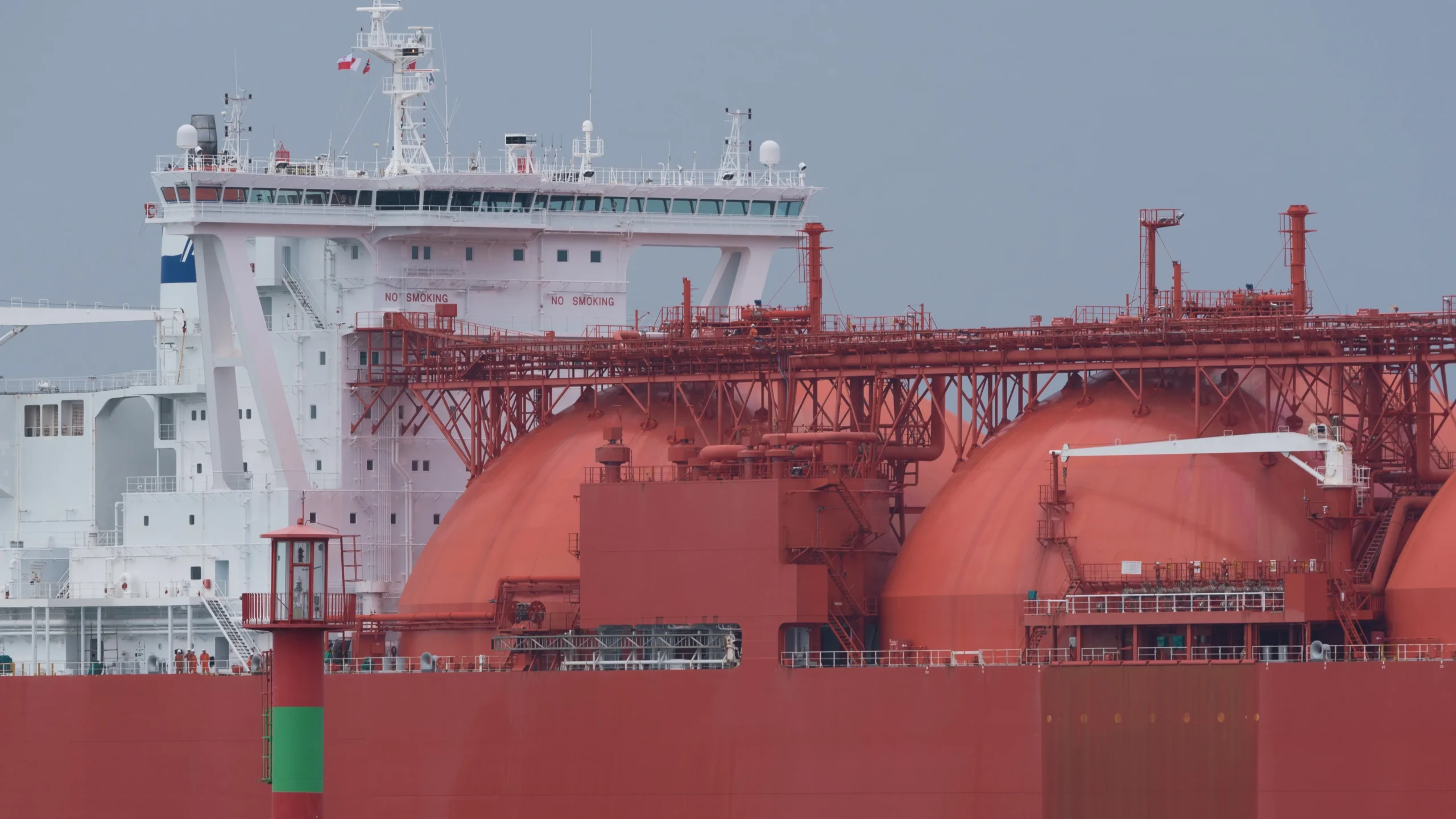
Six liquefied natural gas (LNG) carriers are currently making their way toward Qatar, signaling preparations for a potential resumption of exports. This significant movement shows the ongoing efforts by QatarEnergy to navigate the complex security landscape of the region. QatarEnergy is actively assessing the conditions required to restart its key LNG shipments via the Strait of Hormuz, a waterway vital for global energy trade. The movement of these six carriers indicates logistical readiness by QatarEnergy, according to analyses of maritime activity. This preparatory phase suggests that the energy giant is laying the groundwork for a return to full operational capacity for its exports.
Carrier Movements and Export Readiness
Currently, six liquefied natural gas (LNG) carriers are positioned in or are actively approaching the Gulf of Oman. Their trajectories indicate a direct course toward Qatar's major export facilities. These strategic movements coincide with another notable maritime event: a vessel recently successfully crossed the Strait of Hormuz, with its ultimate destination being the Qatari coast. These developments collectively suggest a potential and imminent resumption of Qatari LNG exports, which have faced disruptions due to regional instability.
At the end of July, QatarEnergy successfully dispatched a shipment of LNG through the Strait of Hormuz, demonstrating a temporary window of opportunity for safe passage. Following this, during August, transfers of LNG between ships were recorded off the coasts of Oman and the United Arab Emirates. These ship-to-ship transfers, often used for logistical flexibility or to avoid specific routes, highlight the adaptive measures being taken. Shipments originating from Ras Laffan, Qatar's primary LNG export hub, are required to traverse the Strait of Hormuz to access the main international maritime routes, making the security of this waterway critical for Qatar's energy exports. The reliance on this narrow passage shows the vulnerability of the supply chain to regional tensions.
Past Incidents and Production Impact
Weeks before a successful July shipment, one of QatarEnergy's liquefied natural gas (LNG) carriers was involved in an incident while transiting the Strait of Hormuz. This event preceded a period of heightened security concerns in the critical waterway, raising alarms across the international shipping community. Prior to the regional conflict, Ras Laffan stood as one of the world's leading centers for LNG exports, playing a significant role in global energy markets by supplying a substantial portion of the world's natural gas. Its previous status as a top exporter notes the scale of the disruption caused by recent events.
The operational status of Qatar's energy infrastructure has been subject to considerable disruptions. QatarEnergy had previously reduced its production levels, a precautionary measure taken amidst escalating regional tensions, before one of its LNG facilities experienced a direct hit from Iranian missiles. This attack on a Qatari LNG facility was a critical turning point. It prompted Qatar to declare force majeure, indicating its inability to fulfill contractual obligations due to unforeseen circumstances beyond its control, specifically citing the impact of the military actions. The declaration of force majeure followed a series of Iranian attacks targeting the Ras Laffan complex, showing the severe vulnerability of energy infrastructure in the region to geopolitical tensions and direct military action. These incidents highlight the profound security challenges faced by energy producers relying on the Strait of Hormuz for international shipments and the broader impact on global energy supply.
Navigational Risks and Recovery Outlook
Maritime tracking data from Kpler, cited by Bloomberg, indicates that the six LNG carriers currently in or approaching the Gulf of Oman have links to Iran. This connection adds another layer of complexity to the security assessment of their movements and the potential implications for regional maritime safety. The presence of these carriers suggests a coordinated effort, potentially indicating a de-escalation or a new understanding regarding safe passage. QatarEnergy has informed its customers that it anticipates recovering approximately 50% of its production capacity during the first month following the restoration of safe navigation through the Strait of Hormuz. This initial recovery represents a significant step towards stabilizing its energy output. This recovery could further increase to approximately 80% within two months, signaling a strong and relatively swift return to near-full operational levels, provided the security situation permits.
New attacks on tankers and ongoing military actions between Iran and the United States continue to maintain a high level of uncertainty for shipowners, exporters, and energy buyers alike. The volatility of the region means that any resumption of normal operations remains contingent on sustained security. The transportation of liquefied natural gas requires specialized conditions, as LNG must be kept at extremely low temperatures, specifically close to -162 °C, to maintain its liquid state and be safely transported. This stringent requirement adds to the complexity and cost of LNG shipping, making reliable and secure transit routes even more critical for the global energy supply chain. The delicate nature of LNG transportation amplifies the risks associated with navigating through a contested waterway like the Strait of Hormuz.