From the archive
Qatar: US-Iran Talks Need More Time Amidst Diplomatic Push
Qatar states US-Iran negotiations, mediated by Pakistan, require more time to reach a deal amid diplomatic push.
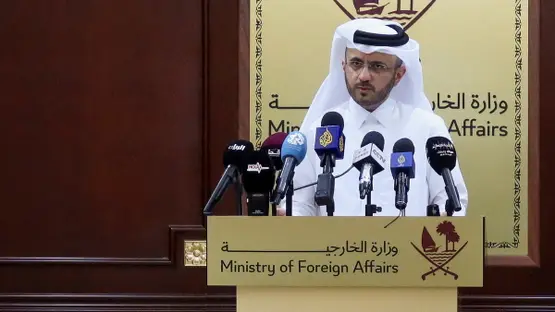
Qatar stated on Tuesday that negotiations between the United States and Iran, facilitated by Pakistan, required additional time to reach an agreement. The Gulf nation indicated that the complex discussions involved multiple stakeholders and intricate issues, necessitating an extended diplomatic engagement. This assessment comes amidst ongoing efforts to de-escalate tensions and find common ground between Washington and Tehran. The statement from Qatar on Tuesday specifically noted that the US-Iran negotiations, which Pakistan has been mediating, were not yet at a point of conclusion and needed further deliberation to secure a full deal.
Diplomatic Mediation Efforts
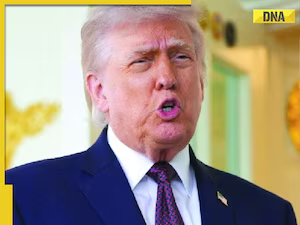
The Qatari statement regarding the need for more time in US-Iran negotiations followed President Donald Trump's announcement that he had postponed planned attacks. This critical development came a day after President Donald Trump had publicly stated his decision to hold off on military action. President Trump indicated his decision was made to allow the diplomatic process an opportunity to advance, showing the importance of ongoing discussions. Qatar has been actively involved in mediation efforts between Washington and Tehran, working diligently to facilitate dialogue and reduce regional tensions. The ongoing discussions are seen as a critical pathway to de-escalation, with Qatar emphasizing the complexity of the issues at hand and the necessity for patience and sustained engagement. Such diplomatic interventions are key in preventing potential military confrontations and fostering an environment conducive to peaceful resolutions.
Qatar's Stance on Escalation
On Monday, Donald Trump announced via social media that he had suspended a planned attack. President Trump stated that leaders from Qatar, Saudi Arabia, and the United Arab Emirates had requested he allow negotiations an opportunity to proceed. This request from the Gulf states prompted his decision to delay military action, signaling a diplomatic push from regional actors to de-escalate tensions. The communication from these leaders showed their collective interest in fostering dialogue as a primary means to address the ongoing situation involving the United States and Iran. Their direct appeal to President Trump noted the regional desire to prioritize diplomatic channels over military action, emphasizing the potential for broader instability if tensions were to escalate further. This collective stance from key Gulf nations reinforced the importance of the negotiation process.
Broader Regional Implications
Donald Trump had prepared a new military attack for the day following Iran's rejection of his proposed deal outlines, according to sources familiar with the matter. This preparation for military action showed the severe escalation of tensions between the United States and Iran at the time, bringing the region to the brink of conflict. The rejection of the deal outlines by Iran had prompted Washington to consider further military options, reflecting the strained relations and lack of immediate progress in diplomatic overtures between the two nations. This development came as diplomatic efforts, including those facilitated by Qatar, sought to de-escalate the situation and open channels for negotiation. The planned attack was subsequently suspended by President Trump, who cited requests from regional leaders, including those from Qatar, Saudi Arabia, and the United Arab Emirates, to allow for continued diplomatic engagement. The involvement of these regional leaders in urging de-escalation played a key role in averting immediate military action and shows the intricate web of alliances and diplomatic pressures at play in the Middle East. The commitment to dialogue, despite significant impasses, remains a central theme in the efforts to manage the complex relationship between the United States and Iran.