From the archive
Qatar Warns Against Iran Conflict Escalation, Urges Open Strait of Hormuz
Qatar warns against further escalation in the Iran conflict, urging regional countries to avoid war and keep the Strait of Hormuz open.
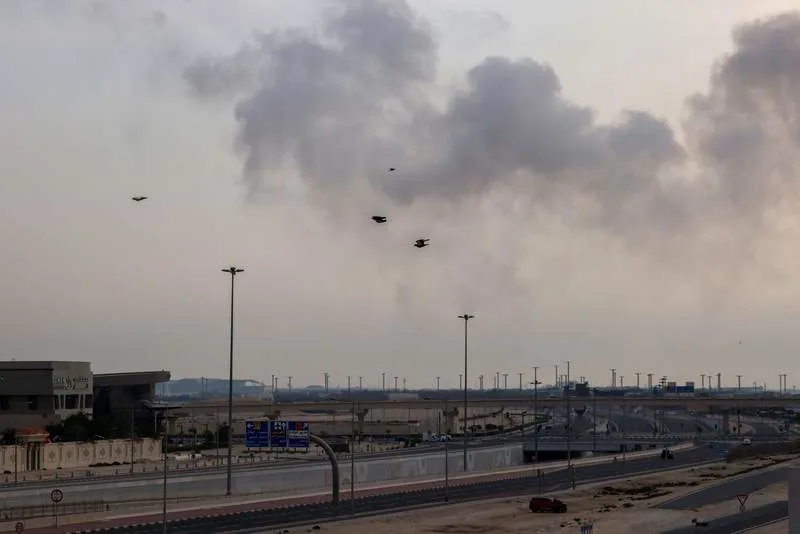
Qatar has issued a strong warning against a further escalation in the ongoing Iran conflict, with Qatari Foreign Ministry spokesman Majid al-Ansari stating unequivocally that the country does "not want to be dragged into another war." Speaking at his weekly press briefing on Tuesday, al-Ansari emphasized the severe humanitarian consequences of such a development, asserting that "In the event of further escalation, civilians would suffer the most." His remarks also included a critical call for the Strait of Hormuz to be "kept open and that the status quo there not be altered by measures that violate international law." These comments from Doha show Qatar's deep concern over regional stability and its commitment to preventing a wider conflict.
Regional War Concerns
The countries in the region "do not want to be dragged into another war," according to Qatari Foreign Ministry spokesman Majid al-Ansari. His comments were made amid recent reports suggesting the United States and Israel could soon initiate further attacks against Tehran, raising significant fears of broader regional instability. Al-Ansari's statement notes these broader concerns about the potential for wider conflict and its devastating impact. The current state of affairs is particularly precarious, as negotiations aimed at ending the war have remained stalled for more than a month, contributing to ongoing tensions and a lack of clear diplomatic progress. The Qatari official reiterated the critical importance of avoiding any actions that might escalate the current situation, emphasizing the potential for severe and widespread consequences for civilian populations across the region. Qatar's consistent message has been one of restraint and de-escalation in the face of mounting pressures.
Strait of Hormuz Importance
The Strait of Hormuz is key for the global oil and gas trade, serving as an indispensable chokepoint for international shipping and a vital artery for energy supplies. Freedom of navigation through this strategic waterway is considered a fundamental right by many nations and is essential for global economic stability. Qatari Foreign Ministry spokesman Majid al-Ansari stated that freedom of navigation in the Strait of Hormuz is "our right," showing the international community's reliance on the passage. Maritime traffic through the Strait of Hormuz has largely ground to a halt due to the intensified Iran war, raising significant concerns about global energy supplies and economic stability. This disruption notes the strategic importance of maintaining open and secure shipping lanes in the region, free from interference or unilateral actions that could violate international law. The integrity of the Strait of Hormuz is seen as critical for the continued flow of international commerce.
Diplomatic Path Forward
Qatar has consistently expressed its strong support for diplomatic solutions to the ongoing regional tensions, emphasizing its unwavering commitment to de-escalation and peaceful conflict resolution. The Gulf state actively backs Pakistan’s mediation efforts, which aim to foster constructive dialogue and resolve conflicts peacefully through negotiation rather than confrontation. Doha also supports the existing ceasefire, viewing it as a key step towards achieving lasting stability and preventing further bloodshed in the region. This consistent stance aligns with Qatar's broader foreign policy, which has always called for restraint and avoidance of actions that could lead to further escalation. Qatar seeks to prevent a wider conflict and protect civilian populations through sustained diplomatic engagement and adherence to international norms. The nation believes that dialogue and mediation offer the most viable path to a peaceful resolution.
Spokesman's Full Statement
Qatari Foreign Ministry spokesman Majid al-Ansari stressed the profound humanitarian implications of heightened hostilities, stating, "In the event of further escalation, civilians would suffer the most." He also addressed the critical maritime passage, urging that the Strait of Hormuz be maintained for international navigation without impediment. Al-Ansari added that Qatar advocates strongly for the Strait to be "kept open and that the status quo there not be altered by measures that violate international law." His remarks showed the country's consistent call for de-escalation, adherence to international norms regarding key waterways, and the prioritization of diplomatic solutions to regional challenges.