From the archive
Qatar Warns Gulf Stability No Longer Assured Amid US-Iran Tensions
Qatar warns Gulf stability is no longer assured amid US-Iran tensions, stating regional instability risks becoming a 'new normal'.
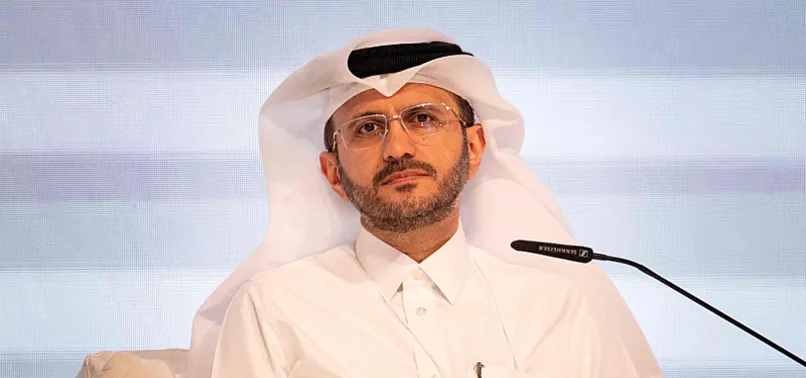
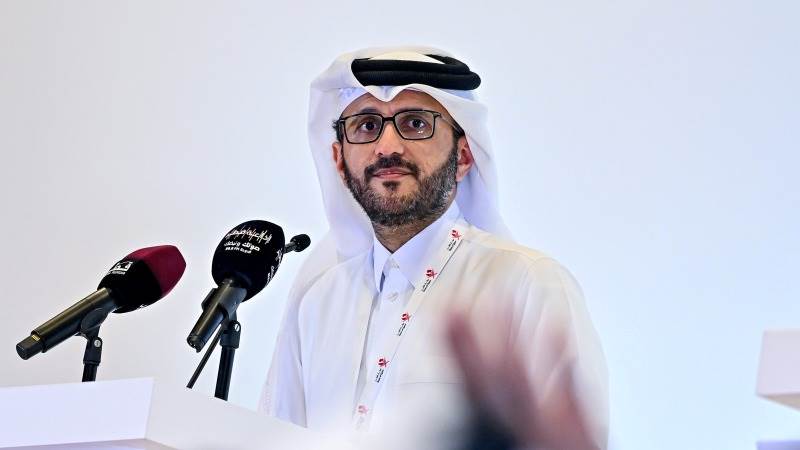
Qatar's Foreign Ministry spokesman and Prime Minister's adviser, Majed Al Ansari, stated on September 7, 2026, that the Gulf can no longer be assumed as an "oasis of stability." Al Ansari emphasized that the perception of the Gulf as a perpetually stable region can no longer be taken for granted. Speaking at the third Hili Forum in Abu Dhabi, Al Ansari warned that recent regional instability risks becoming a "new normal," a significant shift from previous eras. He elaborated that the current geopolitical climate presents unprecedented challenges to the region's long-term security and economic prosperity. The forum, themed "Gulf at Crossroads: Conflict, Consequences and Course Correction," addressed the region's challenges in a full manner. Al Ansari showed the critical need for economic interdependence among regional states to foster lasting peace and stability. He stated, "Any solution, any deal that is signed, any mediation that will take place, nothing will happen beyond freezing the conflict unless there is real economic interdependency in the region, where the decision to disrupt our economies means disrupting your economy." He added that the implications of current events extend beyond the immediate region, noting, "We might see it at a later stage in other straits around the world, in other waterways around the world, because the taboo has been broken."
Waterways Under Threat
Majed Al Ansari stated that any mediation between the United States and Iran would not yield a lasting solution unless countries in the region cultivated greater economic interdependence. He stressed that without such foundational economic ties, any diplomatic efforts would likely only serve to temporarily freeze conflicts rather than resolve them permanently. The Qatari official noted the historical significance of the Strait of Hormuz, noting it remained open even during the Iran-Iraq war in the 1980s. He specifically pointed out that the Strait of Hormuz was never closed during that tumultuous period, showing the gravity of its current disruption. Al Ansari warned that the current disruption of the Strait of Hormuz has shattered a long-standing "taboo" against weaponizing major international waterways. He elaborated that this development sets a dangerous precedent, suggesting similar situations could arise in other global maritime choke points. Al Ansari specifically pointed to the emergence of a comparable situation in Bab el-Mandeb, indicating a broader trend of weaponizing key shipping lanes. He stressed that strong economic ties are essential to prevent future conflicts from escalating to such widespread disruptions, which threaten global trade and energy supplies.
Resilience Amidst Disruption
Majed Al Ansari affirmed that despite the heightened tensions, Gulf countries have demonstrated considerable resilience in mitigating the impact of regional instability. He claimed that more than 90% of attacks targeting the Gulf region had been successfully deterred, showcasing effective defensive measures. Al Ansari also stated that Gulf nations managed to avoid major disruptions to their supply chains throughout the period of increased geopolitical friction, ensuring continuity of trade. This remarkable achievement was accomplished without any Gulf country needing to draw upon its strategic reserves, according to Al Ansari, indicating a strong and self-sufficient response. He further noted that governments in the region implemented various proactive measures to ensure the continuous flow of energy and other essential commodities to international markets, thereby safeguarding global economic stability. These measures included diversifying trade routes, enhancing port security, and strengthening regional cooperation on logistics.
Forum Context and Organizers
The third Hili Forum, where Majed Al Ansari delivered his remarks, was co-organized by two prominent institutions in the United Arab Emirates. The Emirates Center for Strategic Studies and Research, a distinguished research institution based in Abu Dhabi, collaborated with the Anwar Gargash Diplomatic Academy for the event. This collaboration shows a shared commitment to fostering informed dialogue on critical regional issues. The forum serves as a vital platform for discussions on regional and international issues, bringing together policymakers, academics, and experts from diverse backgrounds. Its focus on "Gulf at Crossroads: Conflict, Consequences and Course Correction" reflects a shared interest among regional entities in addressing current geopolitical challenges and charting a path forward. The joint organization of the Hili Forum shows a collaborative approach to fostering dialogue on the stability and future trajectory of the Gulf region amidst evolving global dynamics, aiming to provide insights and potential solutions.