From the archive
Qatari LNG Carrier Enters Gulf of Oman, Signaling Potential Export Resumption
A Qatari LNG carrier has entered the Gulf of Oman, signaling a potential resumption of exports through the Strait of Hormuz after a suspension following a…
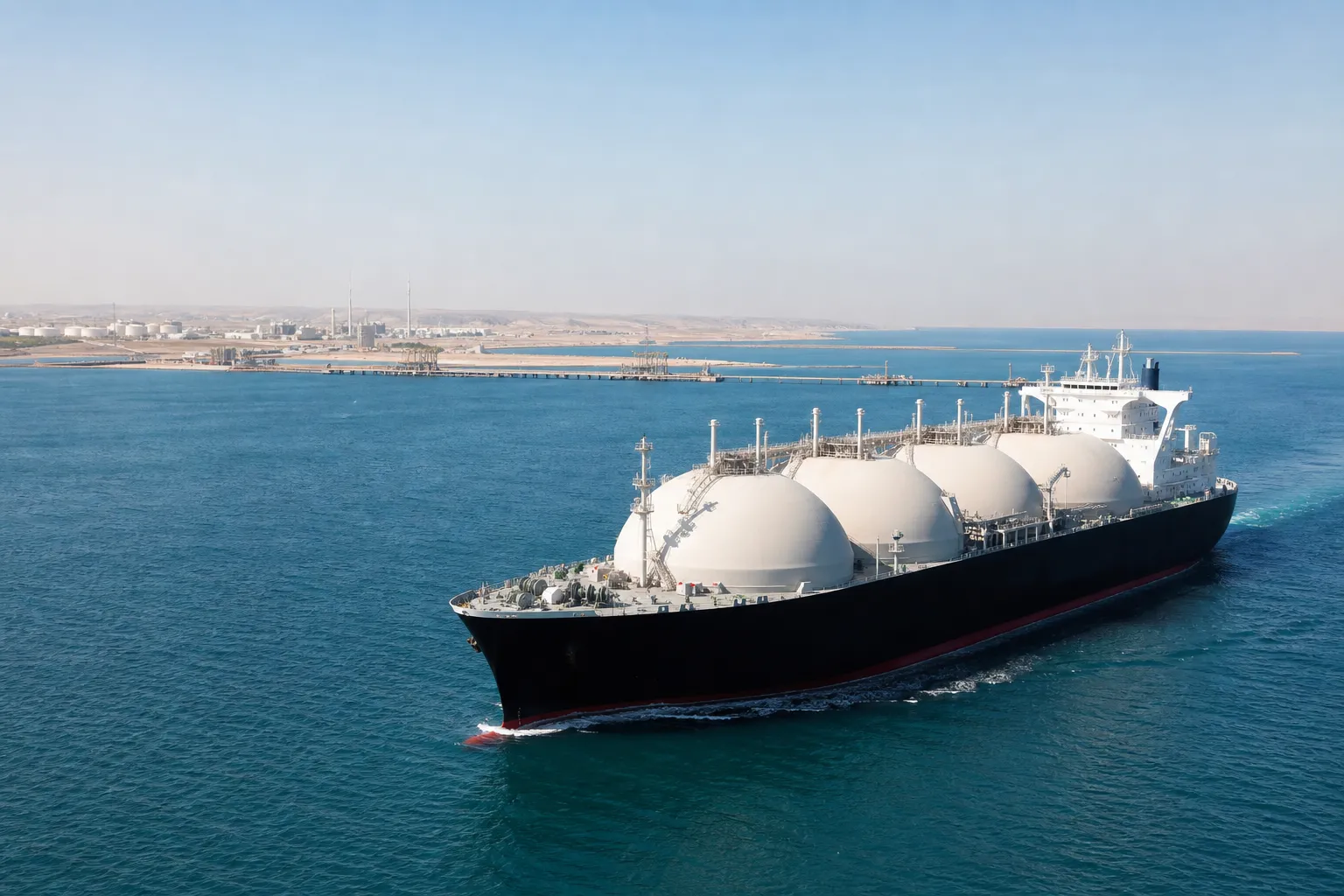
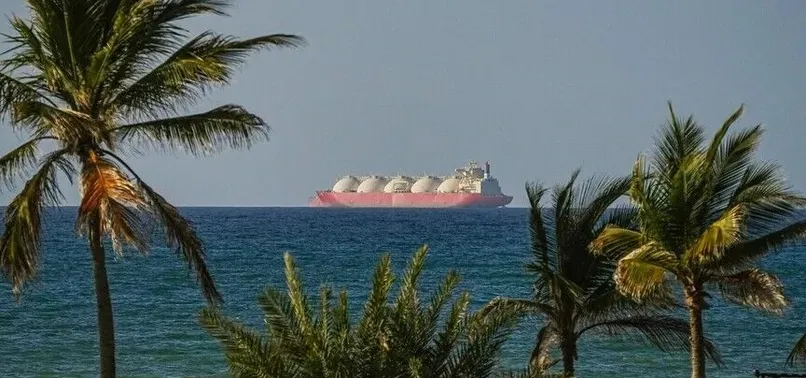
A liquefied natural gas (LNG) carrier from Qatar has traversed the Strait of Hormuz and entered the Gulf of Oman, signaling a potential resumption of exports through the key waterway. The vessel's movement, reported by Bloomberg on September 7, follows Qatar's suspension of LNG exports via the Strait of Hormuz after an attack on one of its tankers in late July. Qatar, a major global LNG supplier and one of the world's largest exporters of liquefied natural gas, had halted shipments through the strategic chokepoint for several weeks following the incident. This temporary suspension had raised concerns across international energy markets due to Qatar's significant role in global LNG supply. The re-entry of a Qatari LNG carrier into this vital maritime route is being closely watched as a potential indicator of renewed confidence in the security of the strait.
Vessel's Journey and Destination
The vessel, identified as the Al Maruna, loaded liquefied natural gas in Qatar during early August. This loading occurred despite the ongoing suspension of exports through the Strait of Hormuz at the time. On the morning of September 8, the Al Maruna was observed sailing in the Gulf of Oman, according to ship tracking data compiled by Bloomberg. Its current trajectory indicates the vessel is bound for Port Qasim in Pakistan. The LNG carrier is expected to arrive at its destination on September 10, marking a significant movement for Qatari energy exports and potentially signaling a return to regular shipping patterns. The successful transit of the Al Maruna through the Strait of Hormuz represents a critical step for Qatar in re-establishing its export routes through the region.
Market Context and Previous Disruptions
Several Qatari carriers without LNG cargo have been observed returning to the Persian Gulf in recent weeks. Bloomberg interpreted this return of carriers as an indication that Qatar may restart LNG shipments through the Strait of Hormuz. This observation provided an early signal to market participants that Qatar was preparing to resume its key energy exports. Before the strait was blocked by the Iran war in February, Qatar accounted for roughly one-fifth of global LNG export volumes, according to Bloomberg data. This figure notes Qatar's significant role in the international liquefied natural gas market and shows the global impact of any disruptions to its export capabilities. LNG prices remain elevated globally due to ongoing worries about supply disruptions. The continued high prices reflect market concerns over the reliability of energy shipments from key producing regions, including the Middle East. The re-opening of the Strait of Hormuz for Qatari LNG exports could help alleviate some of these supply concerns, though market volatility persists.
Geopolitical Developments and Concerns
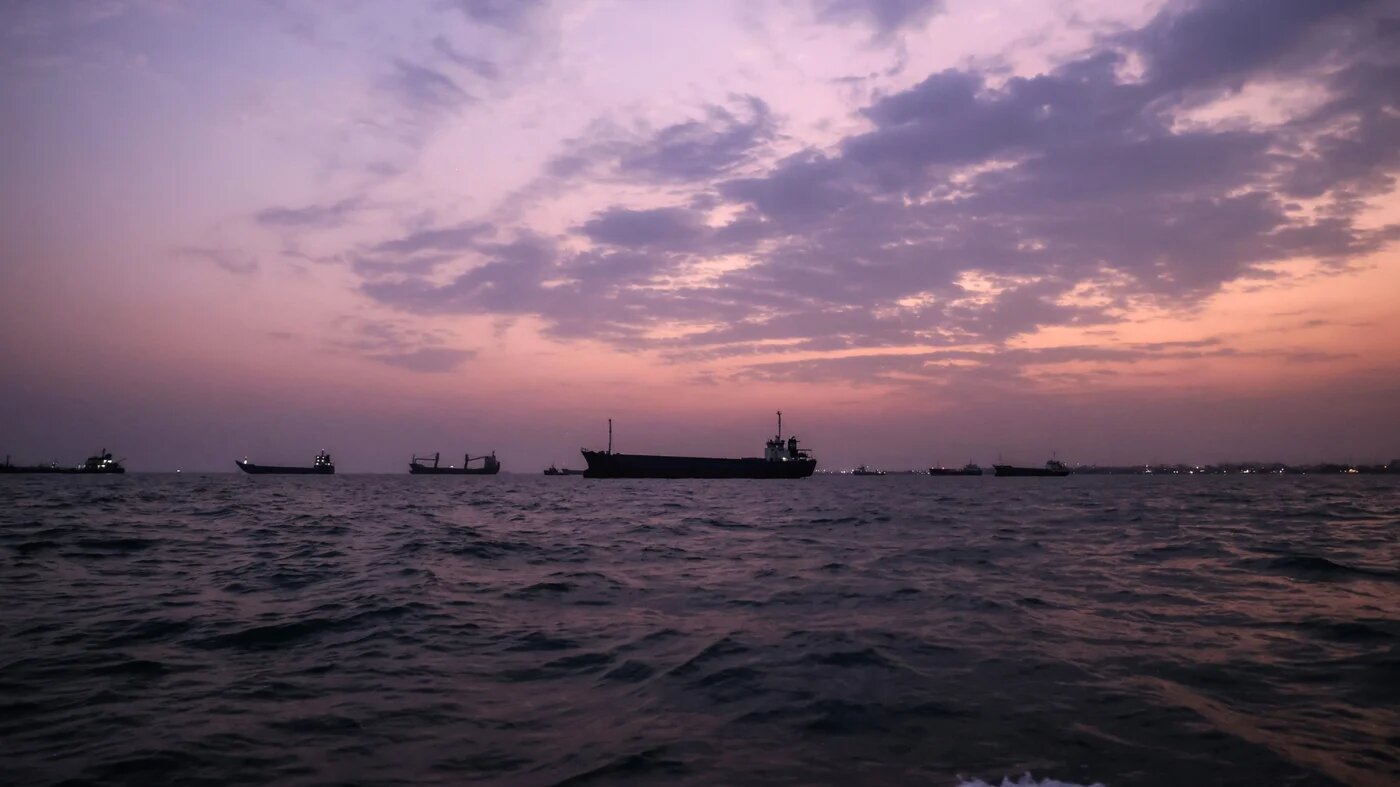
On September 8, Iran announced that an agreement with Oman to manage vessel traffic in the Strait of Hormuz was imminent. The potential pact comes amid heightened regional tensions regarding maritime security and the safety of commercial shipping. Concerns have emerged that such an agreement could enhance Iran's control over the vital shipping lane, potentially giving Tehran greater influence over one of the world's most critical maritime passages. This increased control might provoke a response from the United States, given the strait's strategic importance for global energy supplies and international trade. The Strait of Hormuz is a key chokepoint for a significant portion of the world's oil and liquefied natural gas shipments, making any changes to its management a matter of international concern. The security of navigation through this strait is critical for global energy markets.
Contractual Implications for Buyers
Qatar has informed its European and Asian buyers that the force majeure clause in existing liquefied natural gas (LNG) supply contracts would be extended. The application period for this clause is now set to continue through October. This extension indicates that Qatar is still managing potential uncertainties regarding its ability to consistently meet contractual obligations, despite the apparent resumption of exports. The extension suggests ongoing uncertainty regarding consistent supply for buyers in both regions, who rely heavily on Qatari LNG to meet their energy demands. The use of the force majeure clause allows Qatar to temporarily suspend or delay deliveries without penalty due to unforeseen circumstances beyond its control, reflecting the volatile security situation in the region. Buyers will be closely monitoring the situation to assess the long-term reliability of their supply chains.