From the archive
US Envoy Relays Trump's Rejection of Iran Deal Amidst Diplomatic Maneuvers
US envoy relays Donald Trump's rejection of the Iran deal to Tehran, as Pakistan and Qatar engage in diplomatic efforts while Iran seeks adherence to the…
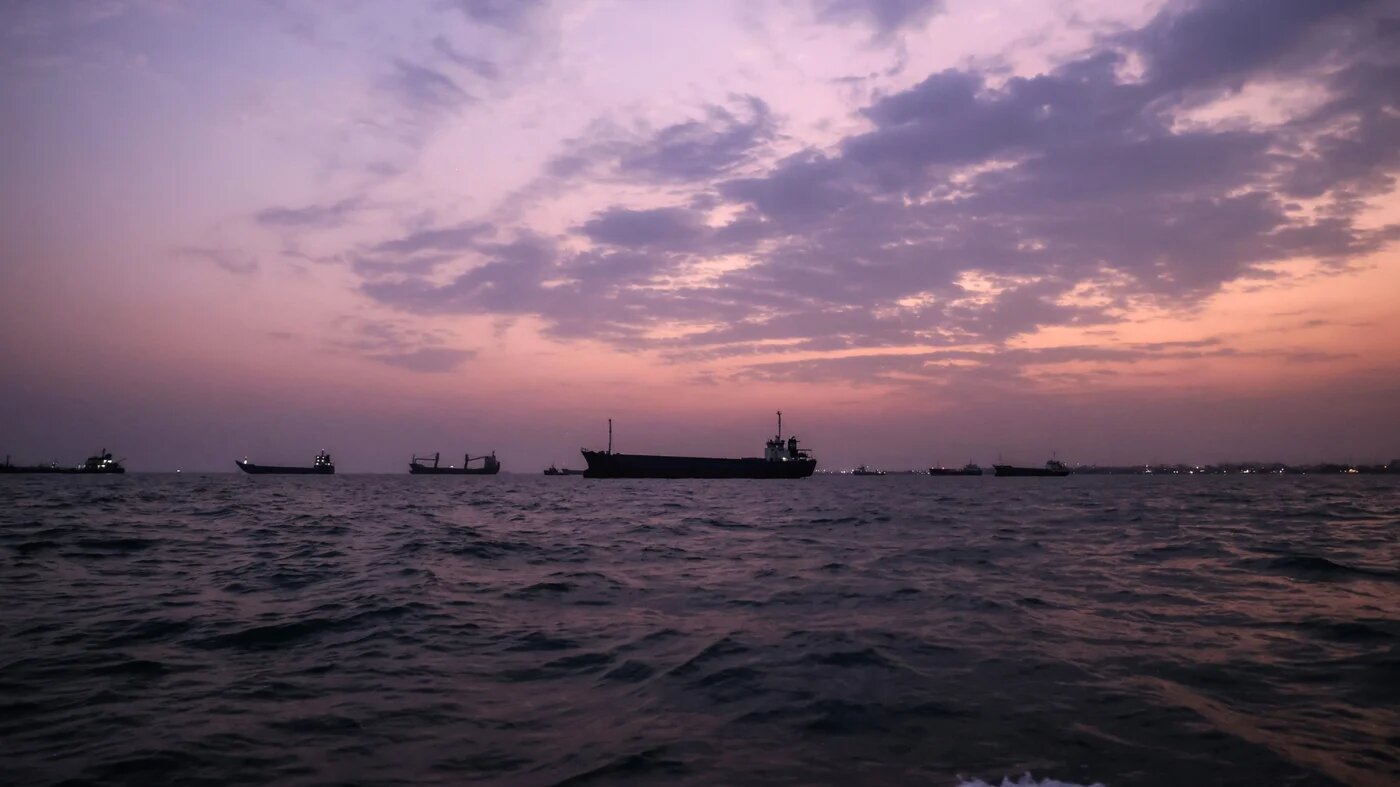
On August 24, Pakistan's army chief, Field Marshal Asim Munir, traveled to Tehran, initiating a series of diplomatic engagements amidst heightened tensions in the region. This significant visit showed the ongoing efforts by various international actors to navigate the complex geopolitical landscape surrounding Iran. Concurrently, US Treasury Secretary Scott Bessent announced a "D-Day" economic pressure campaign targeting Iran, signaling a significant escalation from Washington and intensifying the economic challenges faced by the Islamic Republic. This announcement came as the United States continued to explore avenues for exerting influence over Iran's regional activities and nuclear program. Three days following Field Marshal Munir's visit, around August 27, senior Qatari officials, including the prime minister, also arrived in Iran for discussions, further noting the urgency of diplomatic communication. This flurry of diplomatic activity unfolded as the United States outlined plans for intensified economic measures against Tehran, creating a backdrop of both engagement and pressure. The convergence of these high-level visits and economic declarations painted a clear picture of the intricate diplomatic dance taking place.
Diplomatic Channels Open
Field Marshal Asim Munir met with President Masoud Pezeshkian and General Mohsen Rezaei during his visit to Tehran, engaging in key discussions that touched upon regional stability and bilateral relations. During these discussions, Field Marshal Munir relayed a direct message from former US President Donald Trump, stating unequivocally, "I won’t return to the MoU." This communication from a potential future US presidential candidate introduced a new layer of complexity into the ongoing negotiations and expectations surrounding the Iran-US Memorandum of Understanding. Separately, Qatari officials, during their own high-level visit, also conveyed a similar message from Mr. Trump, indicating his unwillingness to rejoin the understanding. This repeated message showed a consistent stance from the former president regarding the future of the agreement.
On September 6, an additional Qatari delegation, led by Ali Al Thawadi, made an unannounced visit to the Iranian capital, Tehran. This follow-up visit suggested continued efforts by Qatar to mediate or facilitate communication between the parties. Mr. Thawadi also communicated Mr. Trump's position that he would not return to the Memorandum of Understanding (MoU), reinforcing the message previously delivered by both Field Marshal Munir and the earlier Qatari delegation. These diplomatic efforts, involving multiple envoys and repeated messages, show ongoing attempts to engage with Iranian leadership regarding the future of international agreements and to gauge Tehran's response to these developments. The consistent nature of Mr. Trump's message, delivered through different channels, indicated a firm position on his part.
The Iran-US Memorandum
The Iran-US Memorandum of Understanding (MoU) was established on June 17, following extensive negotiations and diplomatic efforts. This agreement set out a full framework intended to end months of conflict and facilitate the critical reopening of the Strait of Hormuz, a vital global shipping lane. Under the terms of this significant agreement, Iran was offered an oil waiver that would allow for direct oil revenue in US dollars, providing a key economic lifeline. The MoU also proposed an end to hostilities on all fronts, specifically including the cessation of conflicts in Lebanon, aiming to de-escalate regional tensions. A key provision of the understanding included recognition of Iran’s control over the Strait of Hormuz, a long-standing point of contention.
Following the agreement, the US military gradually initiated the opening of a shipping corridor through the Strait of Hormuz, maintaining a safe and accessible route along the coast of Oman throughout the summer. This operational change was a direct consequence of the MoU, demonstrating its immediate impact on maritime activities in the region. However, despite these initial positive developments, the Memorandum of Understanding began to show signs of unraveling in early July 2026, less than a month after its establishment. This rapid deterioration raised concerns about the durability and effectiveness of the agreement. On July 7, the United States formally revoked key sanctions relief related to oil exports, marking a significant shift from the terms outlined in the initial agreement and effectively undermining one of the core economic incentives for Iran. This revocation signaled a clear departure from the spirit of cooperation that had defined the initial signing of the MoU.
Iran's Firm Stance
In response to the diplomatic overtures and the messages conveyed by the various envoys, Iranian officials informed both Field Marshal Asim Munir and the Qatari delegation that their country would accept the existing Memorandum of Understanding (MoU) and no other alternative. This firm position was communicated during separate diplomatic engagements in Tehran, showing Iran's unwavering commitment to the terms previously agreed upon and its insistence on the sanctity of the original document. The Iranian government's stance indicates a categorical rejection of any proposals that deviate from the established framework of the MoU, which had been carefully crafted to end months of conflict and facilitate the key reopening of the Strait of Hormuz. The memorandum had offered Iran an oil waiver for direct oil revenue in US dollars, proposed an end to hostilities on all fronts, including Lebanon, and included recognition of Iran’s control over the Strait of Hormuz, all of which Iran considered essential for regional stability and its economic interests.
Iran subsequently reiterated its position to the Qatari officials during the second delegation's visit, emphasizing that it would neither abandon the Memorandum of Understanding nor engage in negotiations for a new text. This firm declaration from Tehran signals a consistent policy regarding the agreement, despite the messages relayed from former US President Donald Trump indicating his unwillingness to return to the MoU. The Iranian leadership's insistence on adhering to the original memorandum notes Iran's resistance to renegotiating terms, particularly after the United States formally revoked key sanctions relief related to oil exports in early July 2026. This action by the US was perceived by Tehran as a significant breach of the initial agreement, further solidifying Iran's resolve to uphold the original text. The diplomatic exchanges thus reveal a significant impasse, with Iran holding fast to the established framework while the US, through Mr. Trump's relayed messages, signals a potential shift away from it. The future of the Strait of Hormuz and regional stability hinges on how this diplomatic tension will ultimately resolve.