From the archive
Qatar's Human Capital Investment: The Key to Vision 2030
Qatar's investment in human capital is the cornerstone of achieving its National Vision 2030, according to Dr. Abdulaziz bin Nasser bin Mubarak Al Khalifa.
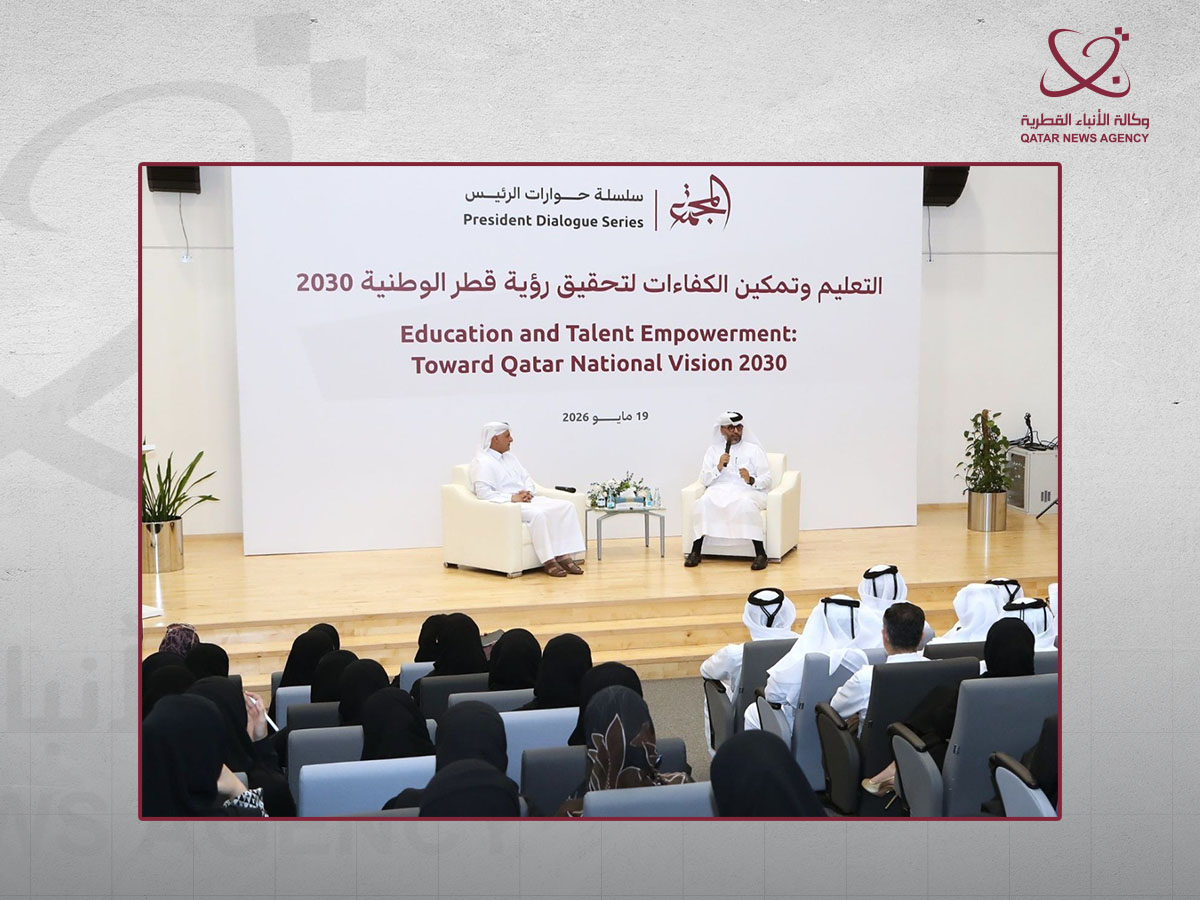
Qatar's investment in human capital is foundational to achieving its National Vision 2030, according to HE President of the Civil Service and Government Development Bureau (CSGDB) and Secretary-General of the National Planning Council (NPC) Dr. Abdulaziz bin Nasser bin Mubarak Al Khalifa. Dr. Al Khalifa stated that "investing in human capital is the cornerstone of achieving Qatar National Vision 2030." This strategic focus underpins Qatar National Vision 2030, which was launched in 2008, making Qatar the first country in the Middle East to introduce a full national vision. The visionary document serves as a long-term roadmap for the nation's development, emphasizing sustainable growth across various sectors. This early adoption of a full national strategy notes Qatar's proactive approach to future planning and its commitment to securing a prosperous future for its citizens and residents.
National Strategy and Human Capital
The third National Development Strategy 2024-2030 outlines seven key outcomes, which include achieving fiscal sustainability, fostering a diversified and sustainable economy, and enhancing the quality of life for residents. These outcomes are integral to ensuring long-term prosperity and well-being for all inhabitants, reflecting a holistic approach to national progress. The strategy shows the importance of human capital development as a critical enabler for realizing these ambitious goals. Qatar is also actively working to align university specializations with the demands of the labor market. This alignment is being pursued through targeted government scholarship programs and the identification of priority specializations. The goal is to ensure that the educational system produces graduates equipped with the skills and knowledge required by the evolving economic landscape, thereby reducing skill gaps and boosting national productivity. These initiatives are designed to foster a highly skilled national workforce capable of contributing to the nation's economic diversification and sustainable development.
In a related initiative, the 'Iktifaa' program was introduced. This program focuses on providing specialized training for government project managers. The 'Iktifaa' program was specifically launched to enhance the capabilities of these managers, ensuring they possess the necessary expertise to effectively oversee the numerous projects critical to the National Development Strategy. This targeted training is key for the efficient execution of government initiatives and the successful realization of strategic objectives.
Government Modernization Initiatives
The Qatari government is reorienting its focus towards policy development and sector regulation, aiming to empower the private sector with a larger role in operations, implementation, and economic diversification. This strategic shift is designed to streamline governance and foster private enterprise, promoting innovation and efficiency across various industries. By delegating more operational responsibilities to the private sector, the government seeks to foster a dynamic and competitive economic environment. This also allows governmental bodies to concentrate on their core functions of strategic planning and oversight, ensuring strong regulatory frameworks are in place.
In support of transparent policy-making, the 'Sharek' platform has been established, enabling citizens, residents, and the private sector to submit their opinions on proposed laws, policies, and existing government services. This initiative aims to integrate public feedback directly into legislative and administrative processes, fostering a more inclusive and responsive governance model. The platform serves as a vital channel for civic engagement, ensuring that diverse perspectives are considered in policy formulation. Additionally, the 'Mystery Shopper' initiative has been implemented to assess the performance of various government agencies. The initiative seeks to identify areas for improvement and enhance the overall quality of services delivered to both citizens and residents, ensuring accountability and efficiency across public services. This program provides an objective evaluation of service delivery, helping to maintain high standards and address any shortcomings promptly. Both the 'Sharek' platform and the 'Mystery Shopper' initiative exemplify the government's commitment to continuous improvement and citizen-centric service delivery.
Leadership Perspective on Development
The State of Qatar has achieved significant accomplishments over the past decades, focusing on building infrastructure and developing national institutions and policies. This reflects a sustained effort toward national growth and modernization across various sectors. These advancements underpin Qatar's strategic objectives for future development, providing a strong foundation for continued progress. The emphasis on strong infrastructure development has been key in supporting economic expansion and improving the quality of life for the population. Simultaneously, the development of strong national institutions ensures good governance and effective implementation of national policies.
The third National Development Strategy currently includes 924 projects. These projects are being managed by personnel who have undergone specialized training programs, ensuring a skilled workforce for their execution. The training initiatives prepare project managers to oversee complex undertakings central to the nation's development goals. This approach supports the effective implementation of the strategy's wide-ranging objectives, from economic diversification to social development. The emphasis on trained management for a large number of initiatives notes a structured approach to achieving the vision, ensuring that each project contributes effectively to the overarching national goals. The careful planning and execution of these projects are vital for transforming the strategic vision into tangible realities, driving Qatar towards its 2030 objectives.