From the archive
Qatar's Human Capital: The Cornerstone of National Vision 2030
Qatar prioritizes human capital investment as the cornerstone of its National Vision 2030, making human development its primary pillar for national…
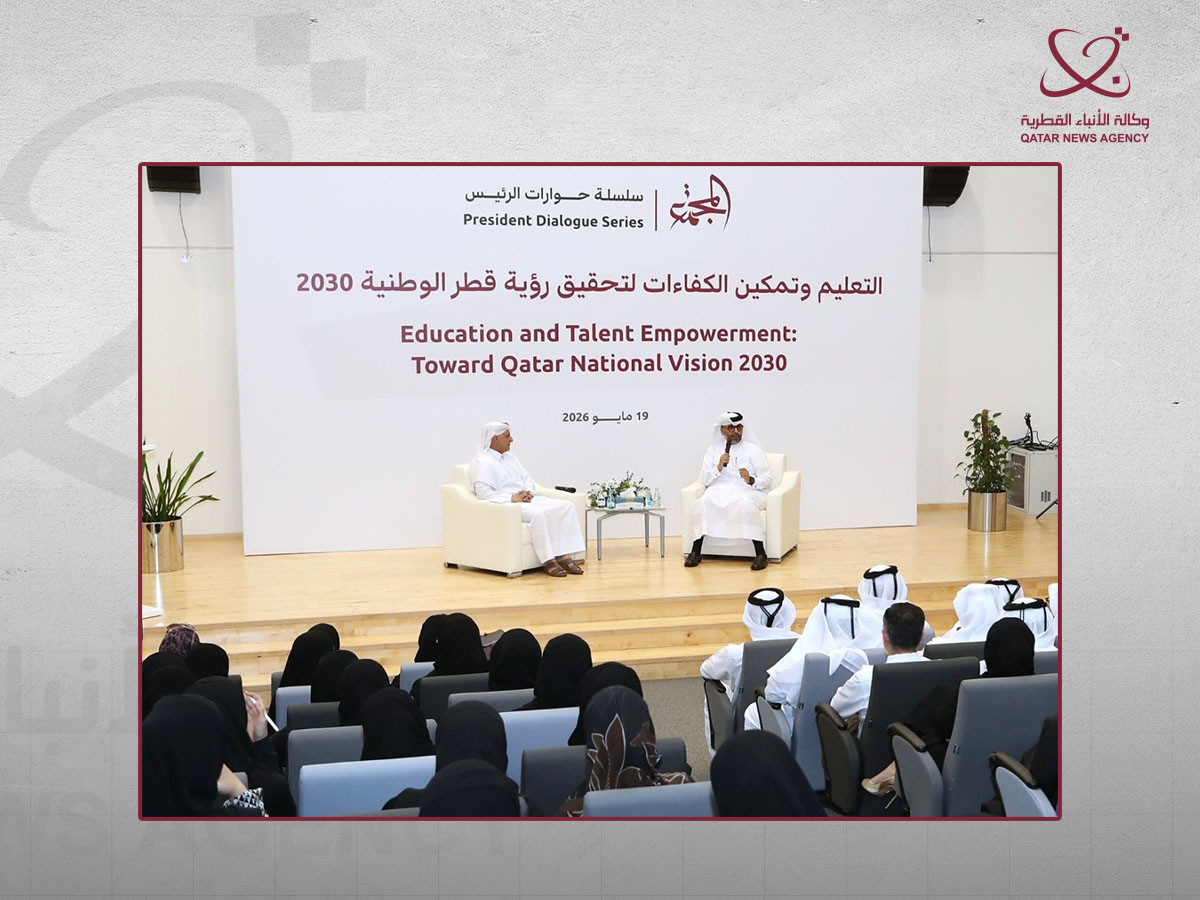
Qatar has positioned human capital investment as the foundational pillar for achieving its National Vision 2030, a full national strategy launched in 2008, making it the first country in the Middle East to do so. This strategic choice shows the profound belief that investing in humans and human capital is the fundamental pillar for achieving the Qatar National Vision 2030. Human development stands as the primary pillar of this vision, reflecting a deep commitment to nurturing the nation's most valuable asset. The nation's Third National Development Strategy 2024-2030 further reinforces this commitment, outlining seven key outcomes that include financial sustainability, a diversified and sustainable economy, and enhanced quality of life. These outcomes are meticulously designed to propel Qatar towards its long-term aspirations, with human development at its core.
Strategic Pillars for Development
Developing national competencies, enhancing the role of the private sector, and raising the competitiveness of the labor market are identified as important strategic pillars for Qatar's development. These pillars are key for building a strong and adaptable workforce capable of meeting the evolving demands of a modern economy. The state is actively working to align university specializations with the demands of the labor market. This alignment is being pursued through government scholarship programs and the establishment of priority specializations within educational institutions, ensuring that educational outputs directly contribute to national development goals and workforce needs.
Government strategy also includes a significant shift towards focusing on policy formulation and sector regulation. This approach is designed to give the private sector a more significant role in operational activities, execution, and the broader goal of economic diversification. This strategic reorientation aims to foster a dynamic economic environment where the private sector contributes more directly and substantively to national development objectives, leveraging its agility and innovation. By empowering the private sector, Qatar seeks to unlock new avenues for growth and create a more resilient economy. This move is a deliberate effort to streamline government functions while simultaneously stimulating private enterprise and investment, thereby creating a more balanced and efficient economic ecosystem.
Government Initiatives in Action
Qatar has launched the 'Iktifaa' program, designed to qualify government project managers. This initiative supports the implementation of various national projects, ensuring they are executed with the highest standards of efficiency and leadership. The Third National Development Strategy incorporates 924 projects, all of which are managed by project managers trained in leadership, talent management, and project execution. This rigorous training ensures that the nation's ambitious development agenda is driven by highly competent professionals, capable of navigating complex challenges and delivering impactful results. The 'Iktifaa' program is a testament to Qatar's commitment to building strong internal capabilities for project delivery across all sectors.
In an effort to enhance community engagement, the government is working to increase public participation in decision-making processes through the 'Sharek' platform. This platform aims to provide a transparent and accessible channel for citizen input on national policies and initiatives, fostering a sense of shared ownership and collective responsibility in the nation's progress. This initiative reflects a commitment to inclusive governance and ensuring that the voices of the community are heard and considered in the formulation of strategic directions.
Additionally, the 'Secret Shopper' program is being implemented to evaluate the performance of government entities. This program seeks to improve the quality of services provided to the public by identifying areas for enhancement and ensuring accountability. Digital transformation and the improvement of customer experience with government entities have been identified as a national priority for Qatar. This priority shows the nation's drive to modernize public services, making them more efficient, accessible, and user-friendly. These efforts collectively aim to streamline government operations, enhance the overall human capital framework within the country, and ultimately improve the quality of life for all residents. The focus on digital transformation is not merely about technology adoption, but about fundamentally reimagining how government interacts with its citizens and businesses, creating a more responsive and effective public sector.
Visionary Leadership and Resilience
The State of Qatar has achieved significant accomplishments over recent decades, particularly in infrastructure development and the advancement of national institutions and policies. This progress has been a foundational element in its overall national trajectory, laying the groundwork for sustained growth and prosperity. Throughout this period, Qatar has also successfully navigated various challenges, demonstrating its capacity to emerge more resilient and adaptable. The State of Qatar has overcome various challenges and emerged stronger and more adaptable, turning obstacles into opportunities for growth and refinement. These experiences have contributed to strengthening the nation's strategic planning and operational frameworks, enabling it to better anticipate and respond to future complexities. The sustained focus on development and adaptability has positioned Qatar to continue pursuing its long-term national objectives, ensuring a stable and prosperous future for its citizens. This unwavering commitment to progress, coupled with a proactive approach to governance and development, reinforces Qatar's standing as a forward-thinking nation dedicated to the well-being and advancement of its people.