From the archive
Qatar's Shura Council Addresses Global Challenges at PAM Assembly
Qatar's Shura Council participated in the PAM General Assembly in Budva, Montenegro, discussing migration, children in armed conflict, and environmental…
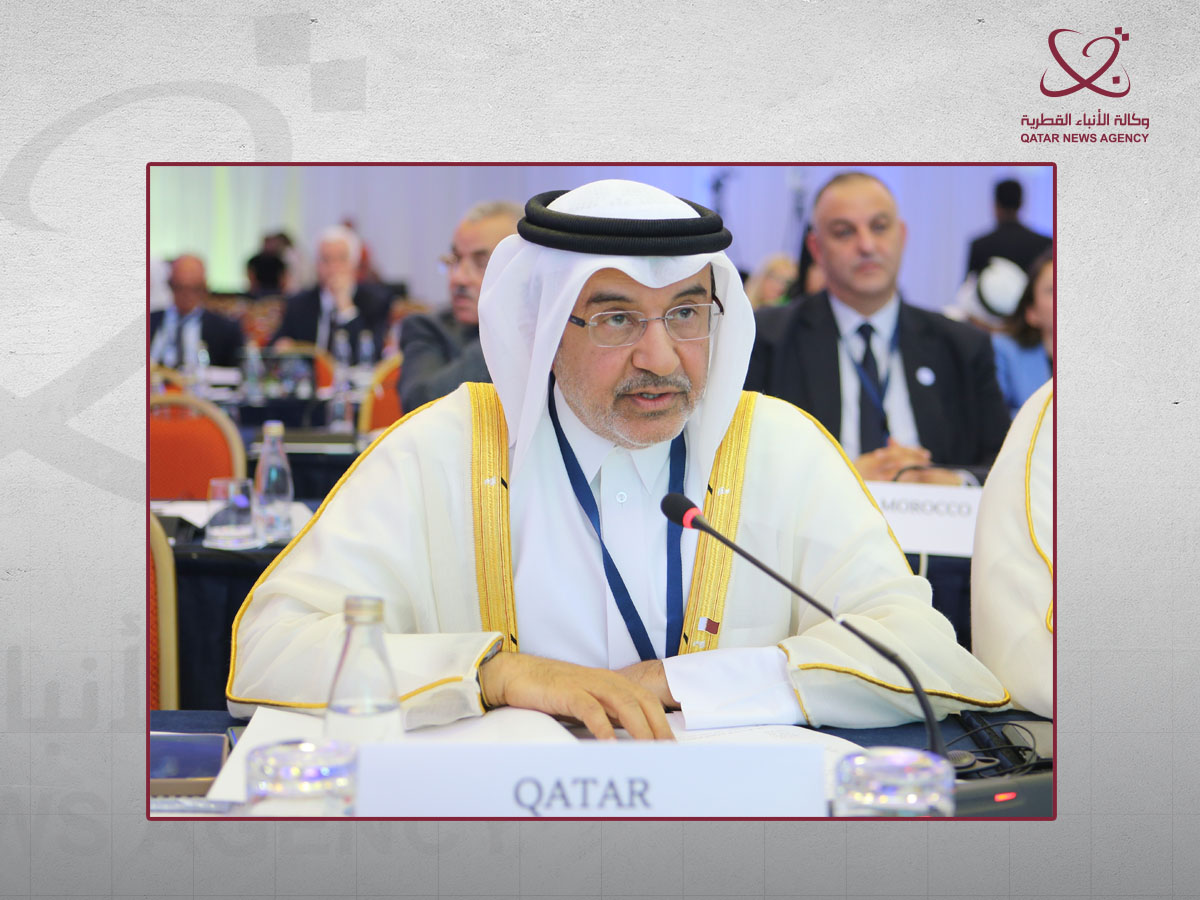
Qatar's Shura Council recently participated in the 20th General Assembly of the Parliamentary Assembly of the Mediterranean (PAM). The assembly convened in the Montenegrin city of Budva, bringing together parliamentary representatives from across the Mediterranean region and beyond. Discussions during the event focused on critical global issues, including migration, the plight of children in armed conflict zones, and environmental sustainability. The participation of the Shura Council showed Qatar's commitment to multilateral cooperation and addressing these pressing challenges on an international platform.
Migration Policy Stance
HE Mubarak bin Mohammed Al Kuwari, a distinguished member of the Shura Council, articulated Qatar's full perspective on migration. He stated that the State of Qatar considered migration a multifaceted humanitarian and developmental issue, emphasizing its intricate nature. He elaborated, "the State of Qatar viewed migration as a complex humanitarian and developmental issue that required stronger international cooperation and balanced approaches respecting both human dignity and state sovereignty." This statement noted the dual imperative of upholding human rights while acknowledging national sovereign interests in migration governance.
Al Kuwari emphasized the necessity of a full global strategy to manage migratory flows effectively. He stressed the importance of addressing the underlying reasons for irregular migration, which often compel individuals to leave their homes. Al Kuwari stated, "He stressed the importance of addressing the root causes of irregular migration and supporting international efforts in relief, development, education and healthcare, while also strengthening measures to combat human trafficking and protect vulnerable groups, particularly women and children." This included bolstering international initiatives aimed at providing humanitarian aid and fostering socio-economic development in affected regions, thereby creating conditions that reduce the impetus for irregular migration. Such efforts are seen as key for long-term stability and human well-being.
Al Kuwari also advocated for the implementation of equitable and lasting migration policies. "Al Kuwari also called for fair and sustainable migration policies based on shared responsibility and multilateral cooperation to promote stability and safeguard human dignity," he added. He showed that such policies should uphold human dignity while ensuring stability for all involved parties, promoting a balanced approach to global migration challenges. He further noted the need for increased international cooperation to tackle the systemic issues contributing to migration.
Protecting Children in Conflict
HE Issa bin Ahmed Al Nasser, another prominent member of the Shura Council, noted the urgent need for stronger international efforts to protect children affected by war. He stated that Qatar hosts the United Nations' Analysis and Outreach Hub on Children and Armed Conflict, showing the nation's commitment to this cause and its role as a key partner in global efforts. Qatar also supports educational and development initiatives through organizations including Education Above All and the Qatar Fund for Development, actively contributing to the well-being and future prospects of children in vulnerable situations worldwide. These initiatives reflect Qatar's dedication to providing concrete support and resources.
Al Nasser further emphasized the importance of rehabilitating children affected by conflict and reuniting them with their families, recognizing the profound trauma these children often endure. He affirmed that these efforts are key for their recovery and integration into society, ensuring they can lead fulfilling lives despite their past experiences. "Al Nasser emphasized the importance of rehabilitating children affected by conflict, reuniting them with their families, and ensuring that the principle of the child's best interests remained central to international peace and security efforts," he stated. This approach aims to prioritize the welfare of children in all peace and security initiatives globally, advocating for their protection as a cornerstone of international policy.
Environmental Sustainability Focus
HE Mohammed bin Mahdi Al Ahbabi, also from the Shura Council, stated that Qatar viewed environmental and sustainability challenges as intrinsically linked to various facets of security. "Qatar considered environmental and sustainability challenges to be closely linked to human, economic, food and water security," Al Ahbabi said, illustrating the interconnectedness of these global issues. The country actively pursues national initiatives focused on clean energy development, advanced water desalination techniques, sustainable infrastructure projects, and the implementation of low-emission technologies, demonstrating a proactive approach to environmental stewardship. These domestic efforts are integral to Qatar's broader commitment to sustainability.
Al Ahbabi also advocated for full international strategies to address climate issues. He called for approaches that offer substantial support to developing nations, recognizing their unique vulnerabilities and resource constraints. "Al Ahbabi also called for balanced international approaches that support developing countries through climate financing, technology transfer and capacity-building, while strengthening cooperation to protect marine environments, biodiversity, water security and energy stability," he added. These measures aim to enhance global cooperation in safeguarding critical resources and ensuring energy stability, promoting a shared responsibility in tackling climate change and its wide-ranging impacts.
Parliamentary Diplomacy Engagements
The Qatari delegation to the 20th General Assembly of the Parliamentary Assembly of the Mediterranean (PAM) was led by HE Abdullah bin Nasser bin Turki Al Subaie, who serves as Vice-President of PAM and is a member of the organization's bureau. His leadership showed Qatar's significant role within the parliamentary body. This year's assembly also marked the 20th anniversary of the Parliamentary Assembly of the Mediterranean itself, a milestone reflecting two decades of parliamentary cooperation and dialogue within the region. Separately, HE the Speaker Hassan bin Abdullah Al Ghanim headed Qatar's delegation at the first summit of parliamentary speakers. This summit was held on the sidelines of the main assembly, providing a dedicated forum for high-level parliamentary discussions. Discussions during the summit concentrated on the roles of parliamentary diplomacy and inter-parliamentary dialogue, alongside strategies for supporting democratic institutions globally, noting the key function of parliaments in fostering peace and stability.