From the archive
Shura Council Approves Draft Food Law, Reviews Committee Reports
The Shura Council approved a draft food law in its amended form during its weekly session, referring it to the government for further action.
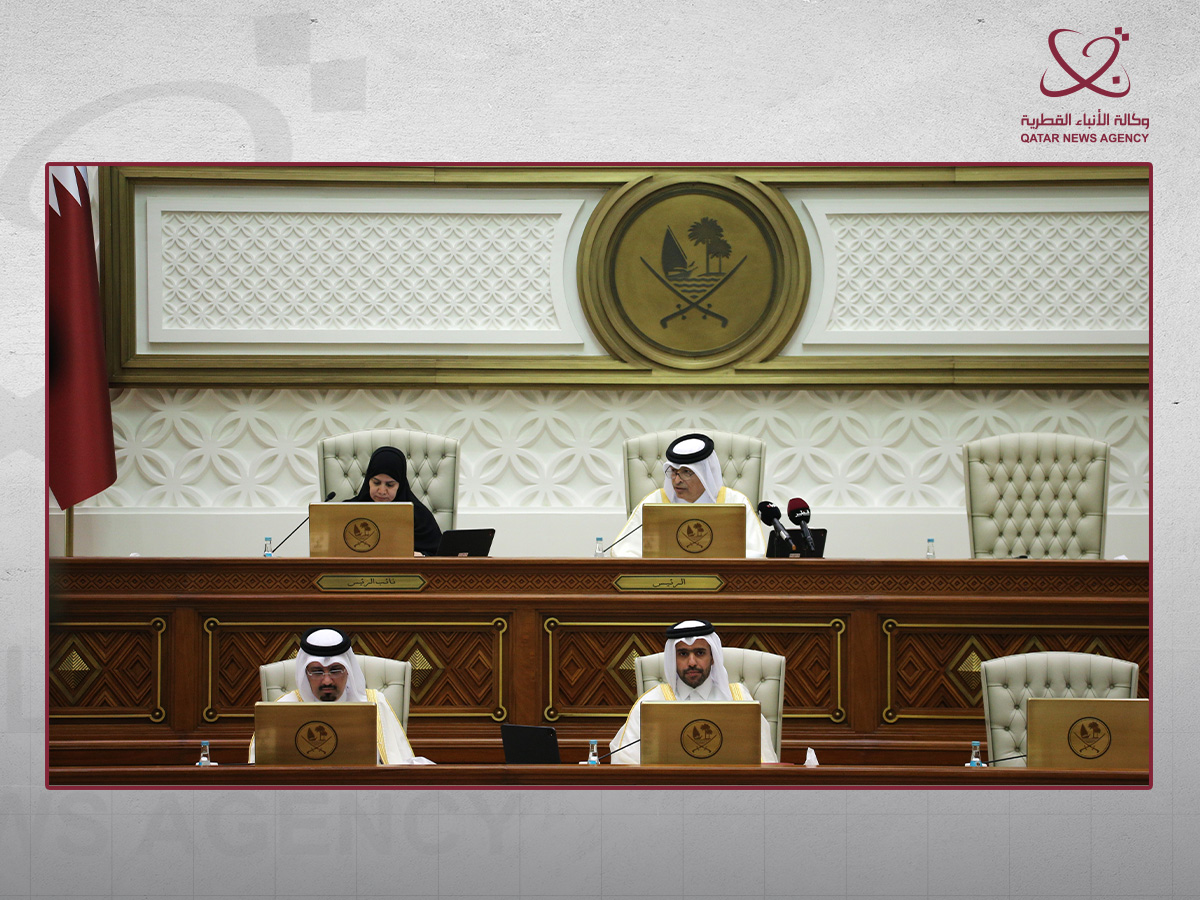
The Shura Council approved a draft law on food in its amended form during its regular weekly session on Monday, June 01, 2026. This significant legislative step shows the Council's commitment to ensuring full and effective legal frameworks for public welfare. The session, held at the Council's headquarters in Tamim bin Hamad Hall, was chaired by HE Speaker Hassan bin Abdullah Al Ghanim, who guided the deliberations on the various agenda items. Following its approval, the draft law was referred to the esteemed government for further action, marking a key stage in its progression towards implementation. This referral signifies the Council's role in initiating and refining legislation before it reaches the executive branch for final review and enactment. The approval of such a foundational law notes the Council’s dedication to addressing critical national priorities, particularly those related to public health and consumer safety.
Reviewing Family Upbringing Proposal
The Shura Council also reviewed a report submitted by the Health, General Services, and the Environment Committee during its session. This review is part of the Council's ongoing oversight responsibilities, ensuring that various sectors of public life are adequately addressed. Additionally, the Council considered a report presented by the Social Affairs, Labour, and Housing Committee. This latter report specifically addressed the government's statement concerning a proposal on 'family upbringing and strengthening national and social values among younger generations.' The proposal aims to reinforce foundational family structures and instill core national and social principles within the younger populace, recognizing the vital role families play in societal development. The Council's review of these reports forms part of its ongoing legislative and oversight responsibilities, reflecting its commitment to fostering a strong and values-driven society. These detailed committee reports provide essential insights and recommendations that inform the Council's decisions and contribute to the formulation of sound public policy.
International Parliamentary Engagements
The Shura Council reviewed a report detailing its delegation's participation in the Second Women Parliamentary Forum of the Parliamentary Assembly of the Mediterranean (PAM). This forum, which provides a platform for discussing critical issues affecting women in the region, took place in January in Abu Dhabi. The Council also considered a report on the involvement of HE Dr. Sultan bin Hassan Al Dabit Al Dosari in the meeting of the temporary diplomatic committee of the Arab Inter-parliamentary Union (AIPU). The AIPU meeting was convened in February in Cairo, bringing together parliamentary representatives from across the Arab world to discuss regional diplomatic efforts and cooperation.
Additionally, the Council reviewed a report concerning HE Dr. Khalifa bin Jassim Al Kuwari's participation in a parliamentary seminar. This seminar was conducted via videoconference in March, utilizing digital platforms to facilitate international collaboration. The event focused on 'Addressing Counterterrorism Frameworks: How Parliaments Can Protect Humanitarian Action and Support Compliance with International Humanitarian Law,' showing the critical role of legislative bodies in global security and human rights. These reports collectively highlight the Shura Council's active and meaningful engagement in international parliamentary discussions and initiatives, demonstrating its commitment to contributing to global dialogue and cooperation on pressing issues. Such participation allows the Council to share its perspectives and learn from international best practices, further enriching its legislative and oversight capabilities.
Further Committee Deliberations
The Shura Council continued its review of reports submitted by various committees, reflecting its ongoing legislative and oversight functions. These deliberations included detailed discussions on the findings and recommendations presented by the specialized bodies within the Council. The process contributes to the full evaluation of proposals and draft laws before they are finalized or referred for further action. Members of the Council systematically examined the implications of each report, ensuring that all aspects of the presented material received due consideration. This structured approach underpins the Council's commitment to thorough analysis and informed decision-making in its parliamentary duties. The Council's procedure involves careful scrutiny, which helps to refine policies and ensure their alignment with national objectives. This rigorous process is fundamental to the Council's role in shaping effective governance and addressing the evolving needs of the nation.