From the archive
US LNG Fills Gap, But Qatar's Scale Remains Key Amid Supply Crisis
US LNG helps ease energy supply pressures, but Qatar's scale remains crucial, especially for Europe's winter needs, following attacks on its facilities.
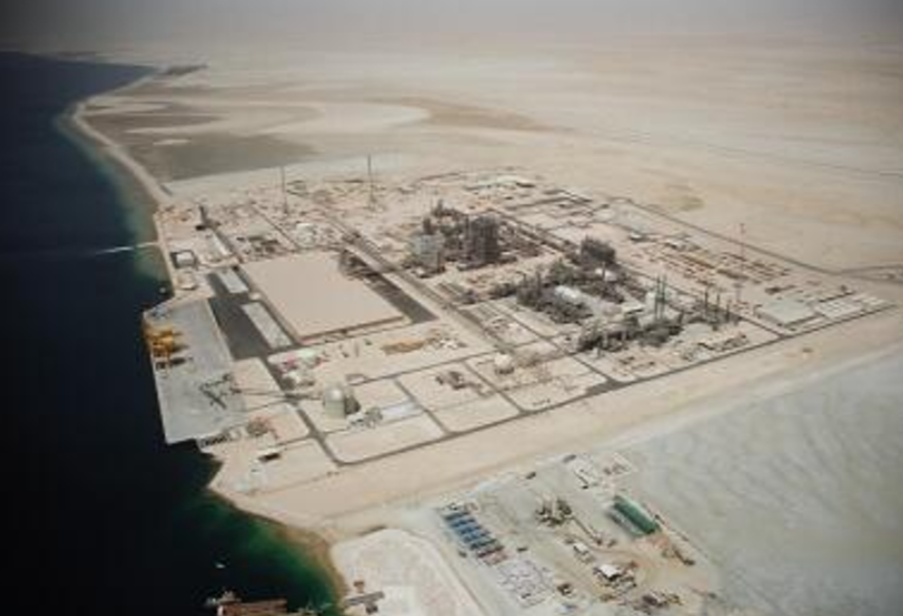
Iranian strikes damaged two liquefaction trains at Qatar’s Ras Laffan facilities in mid-March 2026, impacting critical energy infrastructure. The attacks specifically affected Trains 4/S4 and 6/S6 at the Ras Laffan site, a key component of Qatar's liquefied natural gas (LNG) production. The incident occurred as global energy markets face significant supply challenges, exacerbating an already tense geopolitical environment in the Middle East and contributing to uncertainties in the worldwide energy outlook. The precise nature and intent behind the strikes are under ongoing investigation, but their immediate consequence was a substantial disruption to a major global energy supplier.
Qatar's Capacity Hit
The Strait of Hormuz was closed following the strikes on Qatar's Ras Laffan facilities, a critical maritime chokepoint for global energy shipments. The damage to Trains 4/S4 and 6/S6 represents approximately 17% of Qatar’s pre-crisis nameplate capacity of roughly 77 million tonnes per annum (mtpa). This specific loss of infrastructure translates to an estimated 12.8 million tonnes per annum (mtpa) of liquefied natural gas capacity being taken offline. QatarEnergy has indicated that repairs to the damaged trains could take between three and five years, signaling a prolonged period of reduced output from one of the world's leading LNG exporters. This extended timeline shows the severity of the damage and the complex engineering challenges involved in restoring such specialized facilities.
As of mid-June 2026, QatarEnergy is repositioning LNG tankers toward Ras Laffan Industrial City, a move observed by market analysts. The repositioning suggests efforts to manage the logistics of the disrupted supply chain and potentially reroute operations or assess the immediate impact on shipping schedules. This development places further strain on global liquefied natural gas supplies, which were already facing constraints due to various geopolitical and economic factors. The closure of the Strait of Hormuz, a vital passageway for a significant portion of the world's oil and gas, compounded the supply shock, forcing alternative shipping routes and increasing transit times and costs. The long repair timeline for the damaged trains means that Qatar will effectively operate around 17% smaller, at approximately 64 metric tonnes per annum (mtpa), for the foreseeable future, making its return to full capacity a distant prospect. This reduction in Qatar's export capability has significant implications for global energy security and price stability.
Europe's Energy Outlook
Europe is projected to achieve record liquefied natural gas (LNG) imports in 2026, with forecasts from Kpler indicating approximately 145 million tonnes (mt) and the International Energy Agency (IEA) predicting around 185 billion cubic meters (bcm). These projections highlight Europe's increasing reliance on LNG to meet its energy demands, particularly in the wake of efforts to diversify away from pipeline gas sources. The Institute for Energy Economics and Financial Analysis (IEEFA) estimates that the United States will supply two-thirds of Europe's LNG imports in 2026, solidifying the U.S. Role as a key energy partner for the continent. This significant reliance on U.S. Exports demonstrates the shifting dynamics of global energy trade.
As of mid-June 2026, European Union (EU) gas storage facilities were approximately 42.8–45% full, representing about 46–51 bcm of stored gas. While these levels provide some buffer, they also reveal the vulnerability of the European energy system to supply shocks. The EU's standard target of 90% storage capacity by November 1 has been adjusted to 80% under current crisis provisions, reflecting the challenging market conditions and the need for more flexible energy policies. Each month of lost LNG supply from the Gulf region is capable of depleting roughly 10% of Europe's total gas storage levels, noting the acute vulnerability of the continent's energy reserves to disruptions in global supply chains. This metric shows the critical importance of stable and diversified LNG supplies for European energy security, especially as winter approaches. The ongoing disruptions from the Gulf region put immense pressure on Europe's ability to meet its storage targets and ensure sufficient heating and power generation.
US LNG's Role and Limits
The damaged trains at Ras Laffan facilities knocked out approximately 12.8 million tonnes per annum (mtpa) of liquefied natural gas capacity, a substantial volume in the global market. Qatar is currently the world's second-largest LNG exporter, making any disruption to its operations globally significant. The reduction in output from Qatar's facilities exacerbates existing global energy market pressures, which were already strained by geopolitical tensions and supply chain bottlenecks. The reliance on fewer major suppliers increases market volatility and the potential for price spikes.
Global LNG supply in 2026 is projected to remain at least 30 mtpa below pre-war expectations. This shortfall indicates a significant ongoing gap in the market, even with other producers attempting to increase output and new projects coming online. The damage to Qatar's infrastructure further strains an already volatile global energy landscape, making the task of balancing supply and demand even more challenging for energy policymakers and market participants worldwide. The long-term impact of this deficit could lead to sustained higher energy prices and increased competition for available LNG cargoes.
Future Supply Dynamics
A fast Qatari restart, achieving 50–80% operational capacity within one to two months of the Strait of Hormuz reopening, could provide significant relief to global energy markets. Such a rapid recovery would help stabilize prices and alleviate some of the immediate supply concerns. However, given the estimated repair timeline of three to five years, Qatar will effectively operate around 17% smaller, at approximately 64 metric tonnes per annum (mtpa), for the foreseeable future. This long-term reduction in capacity means that the market will have to adjust to a persistently tighter supply environment from a key producer.
In response to these dynamics, buyers are actively securing new liquefied natural gas supplies from the United States and other flexible sources through multi-decade contracts. This trend reflects a strategic shift by importing nations to lock in long-term supplies and diversify their energy portfolios, reducing reliance on single regions or suppliers. Concurrently, Qatar is accelerating its own massive expansion plans, aiming to reclaim market share in the global energy landscape once its new facilities come online. This ambitious expansion, which was planned prior to the recent attacks, is now even more critical for Qatar to maintain its position as a dominant force in the LNG market and for global supply stability in the medium to long term. These expansion projects, however, will take several years to materialize, meaning the immediate future will be characterized by heightened market tightness and increased competition for available LNG.