From the archive
US Officials Urge Against Relocating Afghan Refugees to Congo
Over 600 former US officials urge the State Department to cancel plans to relocate Afghan refugees from Qatar to the Democratic Republic of the Congo.
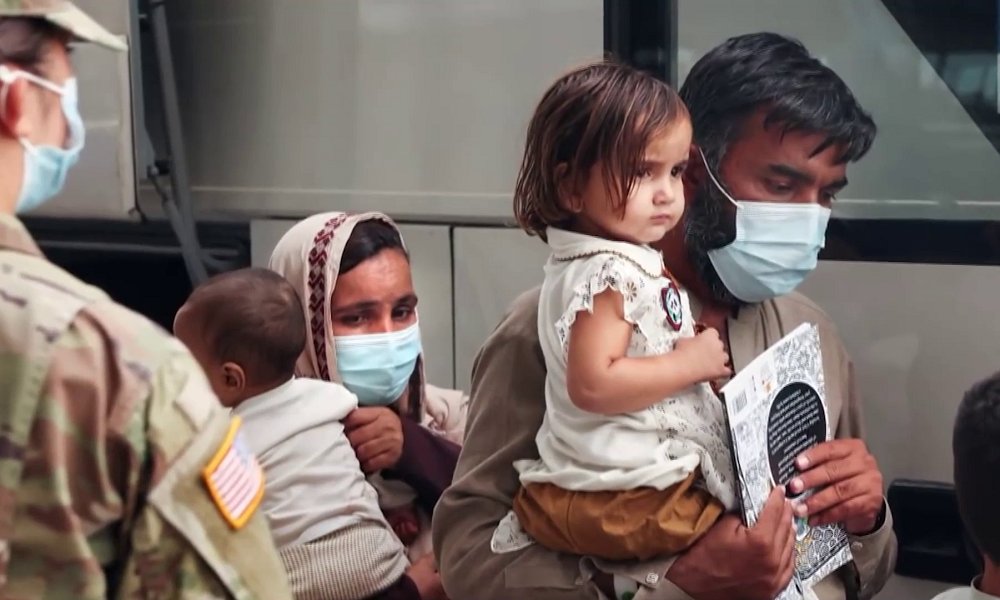
More than 600 former U.S. Civilian and military officials, alongside approximately 100 organizations, have signed an open letter to the U.S. State Department. The letter urges against relocating Afghan refugees currently in Qatar to destinations such as the Democratic Republic of the Congo or Rwanda. The group's appeal comes as U.S. Officials consider options for Afghan allies housed at Camp As Sayliyah in Qatar. Of the over 1,000 Afghan allies presently in Qatar, around 800 to 900 individuals have already completed all necessary security checks and received authorization to travel to the United States. This significant number represents the majority of those awaiting resettlement.
Concerns Over Refugee Relocation Plan
More than 1,100 Afghan allies and their family members are currently under U.S. Supervision at Camp As Sayliyah in Qatar. Over half of these individuals are women and children, making their situation particularly vulnerable. This group has been in transit limbo for over 15 months, a prolonged period that has raised significant humanitarian concerns among advocates and former U.S. Officials. Many of these Afghans have been awaiting an update on their situation for over a year, remaining stuck in Qatar since their initial evacuation from Afghanistan. Their extended stay in Qatar has led to calls for a more definitive resolution to their immigration status and resettlement.
The letter signed by former officials and organizations emphasizes the moral imperative to uphold commitments made to these individuals, who supported U.S. Efforts in Afghanistan. They argue that the proposed relocation to a country like the Democratic Republic of the Congo, for which these Afghans were never screened, represents a fundamental breach of trust. The U.S. Government's responsibility to these allies, many of whom faced direct threats due to their cooperation with American forces, is a central theme of the advocacy efforts.
Critiques of DRC Suitability
The Democratic Republic of the Congo (DRC) currently hosts more than 600,000 refugees, a significant population already in dire need of support and resources. Human rights activists argue that the DRC cannot absorb an additional transfer of refugees due to ongoing conflict with its neighboring country, Rwanda, and widespread internal instability. This regional instability, marked by sporadic violence and displacement, raises serious concerns about the capacity of the DRC to safely accommodate new arrivals, let alone provide them with adequate protection and integration opportunities. The country's existing humanitarian challenges, including widespread poverty and limited infrastructure, would be further strained by an influx of new refugees.
Critics of the proposed relocation plan warn that moving Afghan refugees to the DRC could significantly damage U.S. Credibility with future international partners. Such a move might be perceived as abandoning allies who risked their lives for the United States, potentially making it more difficult for the United States to secure cooperation in future humanitarian or geopolitical endeavors. The current conditions in the DRC, including its existing refugee burden and regional conflicts, show the challenges associated with the proposed transfer and the potential negative ramifications for U.S. Foreign policy. The open letter explicitly notes the risk of setting a precedent that could deter future foreign nationals from assisting U.S. Missions, fearing similar abandonment.
Calls for Policy Reversal
Afghan nationals, including families of U.S. Soldiers, former Afghan Special Operations members, and military interpreters, were brought to Qatar by the United States to complete legal immigration procedures after undergoing extensive security vetting. These individuals were cleared for resettlement in the United States, a process that involved rigorous security checks to ensure they posed no threat. However, the U.S. State Department has since stated that they "do not currently have a viable pathway to the United States" and are now being considered for relocation to Congo, a country for which they were never screened. This reversal in policy has drawn sharp criticism from a broad coalition of former U.S. Officials and human rights organizations.
The plan to relocate these Afghans to the Democratic Republic of the Congo comes after U.S. President Donald Trump canceled an earlier plan to transfer them to the United States, according to The Guardian on Wednesday. This decision has left many in a state of uncertainty and despair, despite having gone through the official U.S. Vetting process. Several members of the U.S. Congress had previously expressed opposition to this proposal, advocating for the Afghans to be allowed to complete their resettlement process in the United States as initially intended. The collective plea from former U.S. Officials and organizations shows the urgency of finding a humane and secure resolution for these Afghan allies.