From the archive
US Vice President Vance Discusses Iran Diplomacy with Qatari Prime Minister
US Vice President JD Vance met with Qatari Prime Minister Sheikh Mohammed at the White House to discuss Iran diplomacy and regional stability.
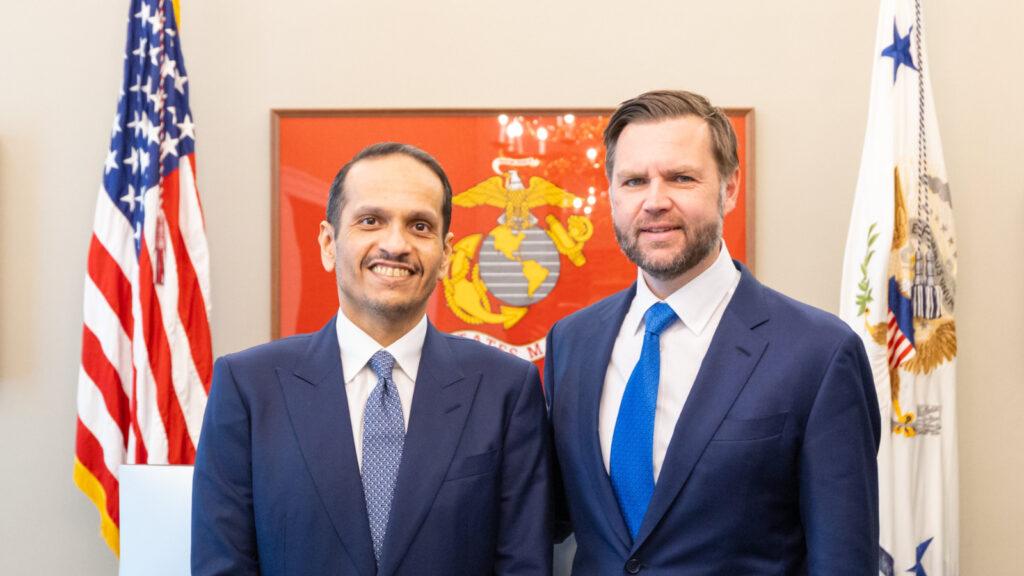
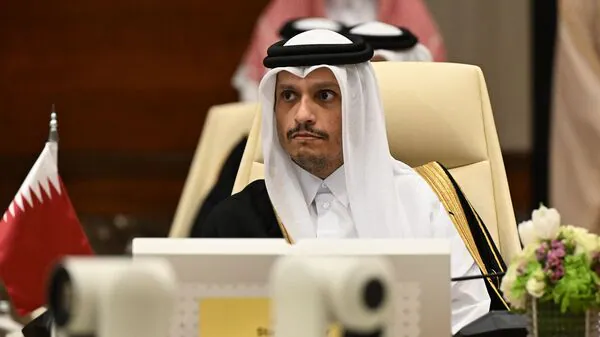
US Vice President JD Vance met with Qatari Prime Minister Sheikh Mohammed bin Abdulrahman bin Jassim Al Thani in a closed-door meeting at the White House, discussing ongoing diplomatic talks with Iran. The high-level encounter, held in Washington, provided a key platform for both nations to address pressing regional issues. The leaders convened in Washington, as reported on May 9, 2026. The discussions between Vice President Vance and Prime Minister Sheikh Mohammed focused on the delicate negotiations concerning Tehran, specifically aiming to advance diplomatic solutions in the region and de-escalate tensions. This closed-door session showed the continued commitment of both the United States and Qatar to fostering stability through dialogue.
Bilateral Relations and Cooperation
During their significant engagement, Vice President JD Vance and Qatari Prime Minister Sheikh Mohammed bin Abdulrahman bin Jassim Al Thani reviewed the strategic bilateral relations between Qatar and the United States, according to sources familiar with the discussions. This review encompassed the broad spectrum of cooperation that defines the strong partnership between the two countries. During their meeting, they also explored various avenues to strengthen cooperation between the two nations across multiple fields, including economic, security, and cultural exchanges. The leaders deliberated on how to deepen these ties for mutual benefit and regional security. The engagement between the US Vice President and the Qatari Prime Minister showed ongoing diplomatic efforts to address shared challenges and capitalize on opportunities for collaboration. The article detailing these discussions has registered 9 views since its publication, indicating initial public interest in these diplomatic developments.
Qatari Perspective on Iran Talks
Qatari Prime Minister Sheikh Mohammed bin Abdulrahman bin Jassim Al Thani emphasized the importance of all parties responding constructively to ongoing mediation efforts concerning Iran. He noted Qatar's consistent role as a mediator in regional disputes and its commitment to facilitating peaceful resolutions. The Prime Minister stressed the necessity of addressing the root causes of the crisis through peaceful dialogue, according to sources familiar with the discussions. He articulated a vision where sustained diplomatic engagement could lead to a more stable and prosperous Middle East. Sheikh Mohammed stated that such efforts could pave the way for a full agreement, ultimately leading to lasting peace in the region. He also noted what he described as encouraging signs in recent exchanges between Washington and Tehran, suggesting a potential shift in the diplomatic landscape. Positive progress is being observed in these exchanges, the Prime Minister indicated, noting a potential path forward in the diplomatic process and offering a measure of optimism regarding future negotiations.
Escalating Regional Tensions
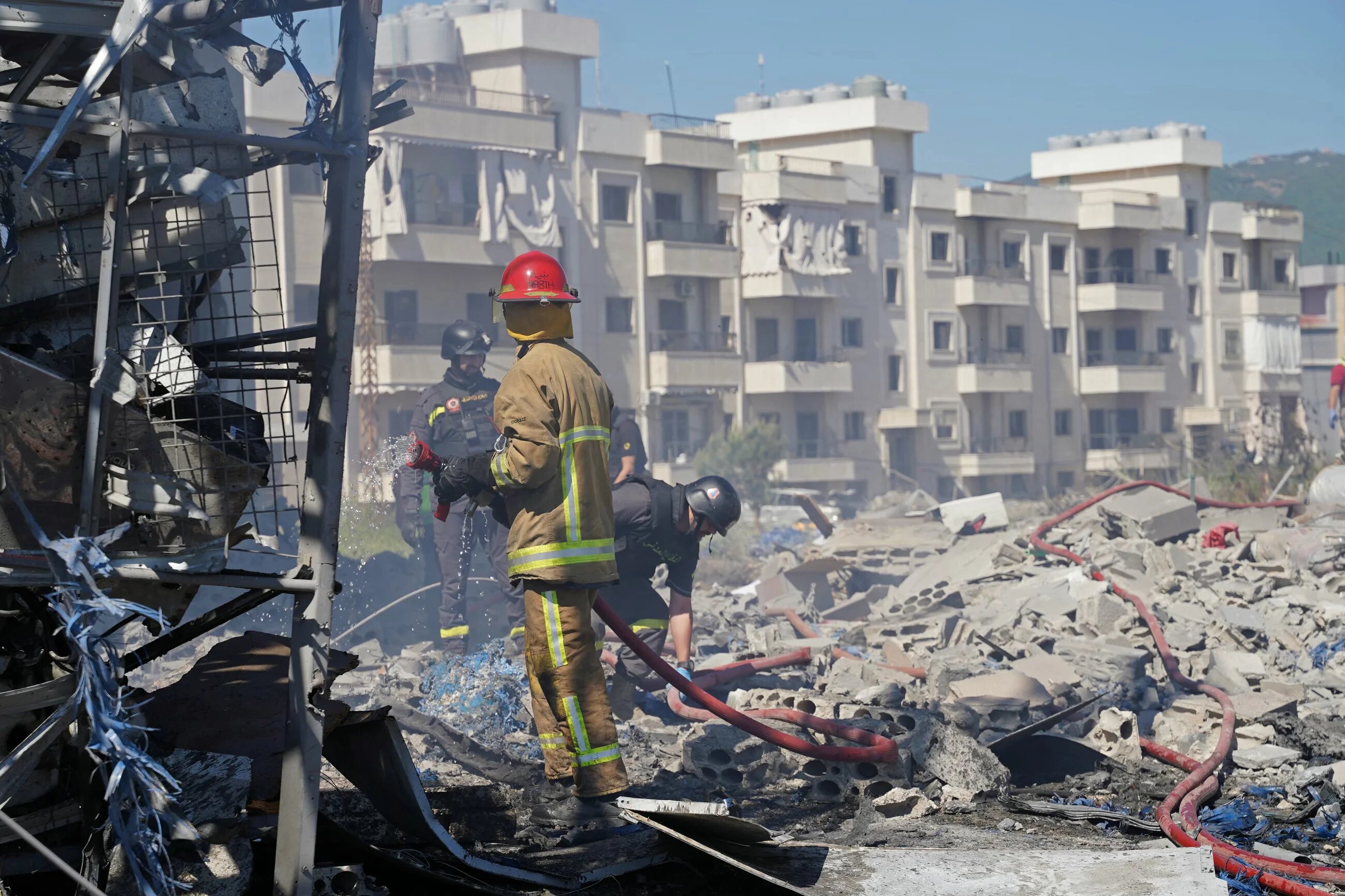
The diplomatic discussions take place against a backdrop of significantly escalated regional tensions. These tensions intensified following United States and Israeli strikes on Iran on February 28. These strikes prompted a swift and forceful response from Tehran. Tehran subsequently launched retaliatory attacks in response to these strikes, leading to widespread disruption of shipping in the Strait of Hormuz, a critical global maritime chokepoint. The disruption caused significant concerns for international trade and energy security. A ceasefire was eventually brokered through Pakistani mediation on April 8, momentarily easing the immediate military confrontation and offering a glimmer of hope for de-escalation.
However, subsequent talks held in Islamabad failed to secure a lasting agreement between the parties, indicating the deep-seated nature of the disagreements. Despite this setback, the truce was later extended by US President Donald Trump, who did not specify a fixed deadline for its expiration, leaving open the possibility for continued diplomatic efforts. Since April 13, the United States has imposed a naval blockade specifically targeting Iranian maritime traffic within the Strait of Hormuz, further complicating regional stability and adding another layer of pressure to the already volatile situation. This blockade has introduced new challenges for navigation and trade in the strategic waterway.