From the archive
Former Qatari Emir Hamad bin Khalifa Al Thani Dies at 74
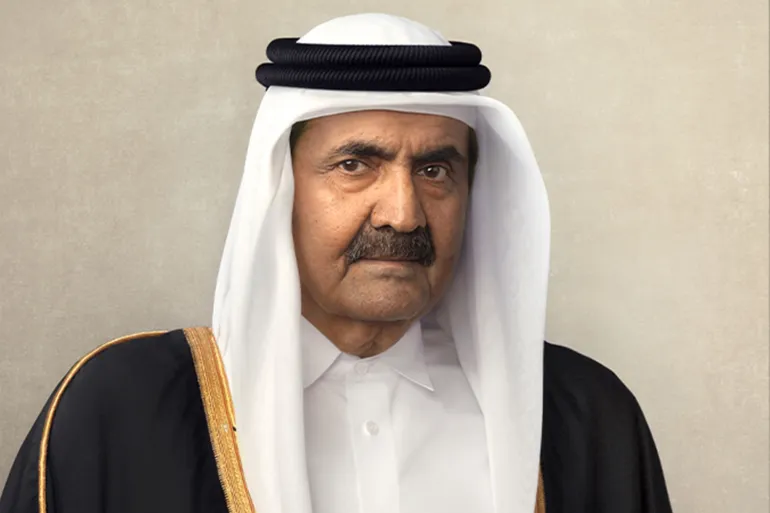
Former Qatari Emir Hamad bin Khalifa Al Thani, who transformed Qatar's global influence and founded Al Jazeera, has died at 74.
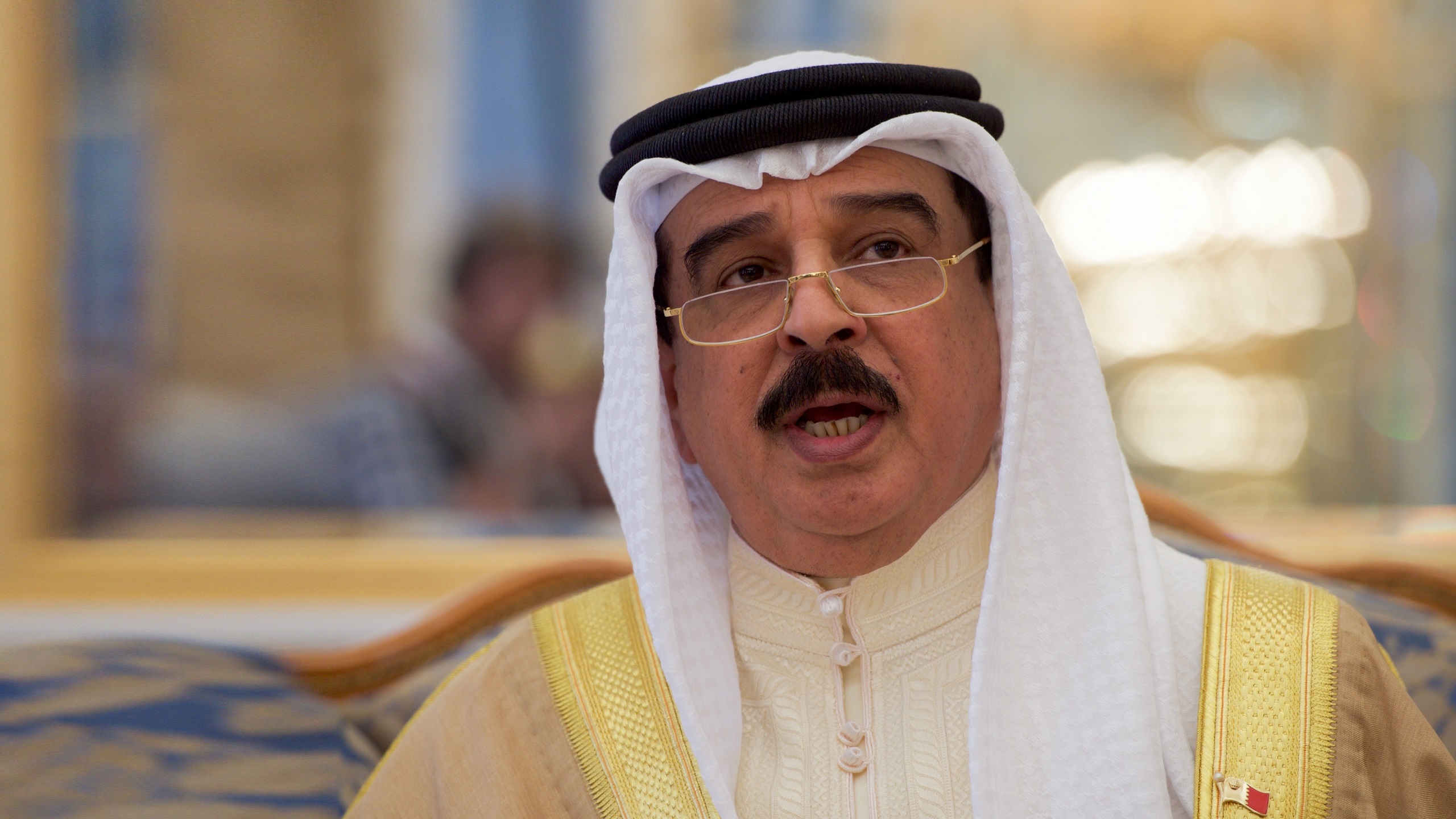
Former Qatari Sheikh Emir Hamad bin Khalifa Al Thani has died at 74, state media reported on Sunday. The state-run Qatar News Agency announced his death. Sheikh Hamad seized power from his father, Sheikh Khalifa, in a bloodless palace coup in 1995. This key moment marked the beginning of a transformative era for the Gulf nation. He then ruled until June 2013, when he voluntarily handed power to his son, Sheikh Tamim bin Hamad Al Thani, a move that was widely seen as a rare and significant act of succession planning in the region. Sheikh Hamad stated at the time, "The future lies ahead of you, the children of this homeland, as you usher into a new era where young leadership hoists the banner." His abdication after 18 years in power signaled a new chapter for Qatar, under the leadership of his son.
Transforming Qatar's Global Stature
Under Sheikh Hamad bin Khalifa Al Thani's leadership, Qatar established the Al Jazeera satellite news network, which launched in 1996 and quickly gained prominence across the Arab world and beyond. The founding of Al Jazeera under Sheikh Hamad's guidance provided Qatar with a powerful media platform, significantly increasing its soft power and influence on the global stage. The former Emir also oversaw significant foreign investments, including the acquisition of London’s iconic Harrod’s department store, expanding Qatar's economic influence globally and diversifying its portfolio beyond natural gas. These strategic investments were part of a broader vision to elevate Qatar’s international profile and secure its economic future.
A notable achievement during his reign was Qatar's successful bid to host the 2022 FIFA World Cup, a decision that further elevated the nation's international profile and put it firmly in the global spotlight. This successful bid was a testament to Qatar's growing ambitions and its ability to host major international events. Additionally, Qatar played a strategic role in global security, hosting a key Pentagon logistical hub in the aftermath of the September 11, 2001, attacks and during the subsequent US-led invasions of Afghanistan and Iraq. This strategic partnership showed Qatar's importance in regional security dynamics. These initiatives collectively contributed to Qatar's enhanced diplomatic and economic standing on the world stage, transforming it from a relatively small Gulf state into a significant international player.
Independent Foreign Policy and Mediation
Sheikh Hamad bin Khalifa Al Thani pursued an independent foreign policy, establishing ties that included Iran, Hamas, and Egypt’s outlawed Muslim Brotherhood, often navigating complex geopolitical landscapes. This approach allowed Qatar to engage with a diverse range of actors, distinguishing its foreign policy from many of its regional neighbors. During his tenure, Qatar mediated various disputes, notably involving Sudan’s Darfur region, Lebanese factions, and the rival Palestinian Hamas and Fatah factions. These mediation efforts showcased Qatar's commitment to conflict resolution and its growing diplomatic capabilities. In October 2012, Sheikh Hamad visited the Gaza Strip, becoming the first head of state to do so since Hamas seized control five years prior. During this visit, he pledged $400 million in projects and investments for Gaza, aiming to support the struggling Palestinian territory and its inhabitants. This visit was a significant diplomatic gesture, reflecting Qatar's willingness to engage directly with contentious issues.
Qatar also maintained engagement with Israel under his leadership. Sheikh Hamad met Israel’s then-Foreign Minister Tzipi Livni at the United Nations General Assembly in 2007, indicating a period of diplomatic openness. Qatar had allowed an Israeli trade office to operate in Doha, a presence that continued until Sheikh Hamad ordered its closure in response to Israel’s attacks on Gaza in late 2008. This decision noted Qatar's responsive foreign policy to regional events and its solidarity with the Palestinian cause.
Interventions During Arab Spring
During the tumultuous period of the Arab Spring, Qatar dispatched warplanes to participate in NATO-led missions against Muammar Gaddafi’s forces in Libya, demonstrating its willingness to engage militarily in regional conflicts. In addition to air support, Qatar also provided military and financial support to Libyan rebels, playing a significant role in the uprising that ultimately led to Gaddafi's downfall. The Gulf state became a major political sponsor of the Syrian opposition to then-President Bashar Assad, providing substantial support to those seeking to overthrow the Syrian government. This involvement showed Qatar's proactive stance in supporting reform movements across the Arab world. Shortly before Sheikh Hamad bin Khalifa Al Thani’s abdication, Qatar formally opened an office for Afghanistan’s Taliban, a move that positioned Qatar as a key mediator in future peace negotiations concerning Afghanistan.