From the archive
Qatar Fund Blocks VW Factory Deal for Iron Dome Components
Qatar's sovereign wealth fund blocked Volkswagen's plan to repurpose a German factory for Iron Dome components, jeopardizing the Osnabrück plant.
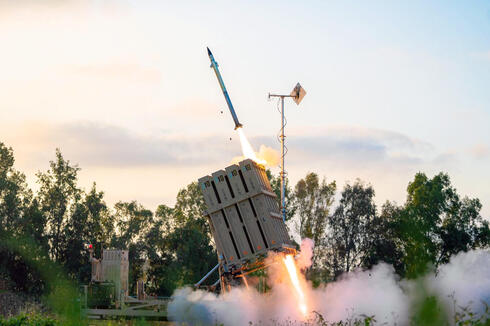
Volkswagen's plan to convert one of its struggling German factories into a defense production site was blocked after Qatari shareholders vetoed a partnership involving Israeli defense company Rafael. The decision leaves the future of the Osnabrück plant uncertain, according to reports. The Osnabrück facility was specifically intended to become a defense production site, focusing on manufacturing components for Israel's Iron Dome air defense system. This proposed conversion was part of a broader strategy to repurpose the struggling German factory and address its operational challenges. Volkswagen confirmed that its Qatari shareholders opposed the cooperation, specifically citing Rafael's involvement as an Israeli company. Rafael, a prominent Israeli defense company, would have been responsible for manufacturing key components for the Iron Dome missile defense system at the plant. The Qatari fund reportedly vetoed the Rafael partnership because it involved an Israeli company, a move that effectively prevented the deal from moving forward and has significant implications for Volkswagen's strategic direction.
Plant's Uncertain Future
The Osnabrück plant currently employs 2,300 individuals, and the recent veto has placed the facility's future in question. Volkswagen is now exploring alternative strategies to ensure the preservation of the Osnabrück site. The automaker had previously sought to repurpose the struggling German factory into a defense production hub, a strategic shift aimed at securing the plant's long-term viability. This initiative aimed to address the plant's operational challenges by shifting its focus to manufacturing components for defense systems, thereby diversifying its production portfolio. Following the Qatari shareholders' decision to block the partnership with Israeli defense company Rafael, Volkswagen stated it is seeking different avenues for the site. The company's efforts are focused on identifying new opportunities or collaborations that could secure the plant's long-term viability and maintain employment for its workforce. This search for alternative solutions shows the urgency Volkswagen places on finding a new purpose for the Osnabrück facility, especially given its substantial workforce and the strategic importance of the site within its manufacturing network. The original plan to convert the factory into a defense production site was seen as a key solution to its operational difficulties, and its blockage necessitates a rapid re-evaluation of options.
Geopolitical and Ethical Stance
The proposed conversion of Volkswagen's Osnabrück plant would have aligned with Europe's expanding military spending, which has seen increased investment in defense capabilities across the continent. This potential shift to defense manufacturing at the German factory, however, drew criticism from various groups even before the Qatari veto. Peace activists and politicians from the opposition Left Party argued that Volkswagen should maintain its focus as a civilian manufacturer rather than entering the defense sector. These critics expressed concerns about the ethical implications of a major German automaker participating in military production, particularly in the context of ongoing global conflicts.
Critics of the deal specifically cited Israel's military campaign in Gaza as a reason for their opposition. The involvement of Rafael, an Israeli defense company manufacturing components for the Iron Dome, became a central point of contention for those who believed Volkswagen should not be associated with such activities. The ethical debate surrounding the deal noted the complex interplay between corporate strategy, national security, and international relations. The Qatari shareholders' decision to veto the partnership showed the geopolitical sensitivities surrounding the proposed deal, demonstrating how external political considerations can directly impact corporate decisions. This intervention brought to light the significant influence that major shareholders can exert, especially when their values or political stances diverge from a proposed business venture. The decision also reflects the broader global scrutiny on companies involved in defense manufacturing, particularly concerning specific geopolitical contexts.
Qatari Influence at VW
Qatar's sovereign wealth fund holds a significant stake in Volkswagen, owning 10.4% of the German automaker's shares. This ownership translates into a substantial influence over corporate decisions, as the Qatari fund controls 17% of Volkswagen's voting rights. The fund's position as a key shareholder has allowed it to play a decisive role in strategic business initiatives, including the recent veto of a factory deal. Its voting power enables it to block proposals that do not align with its interests or values, effectively giving it a powerful voice in the company's direction. The structure of Volkswagen's ownership, where a smaller percentage of shares can yield a larger proportion of voting rights, amplifies the Qatari fund's ability to influence corporate direction. This influence became evident in the decision regarding the Osnabrück plant, where the fund's objection to the involvement of an Israeli defense company led to the cancellation of the proposed partnership. The Qatari fund's assertion of its voting rights in this particular instance notes the extent of its strategic leverage within Volkswagen, demonstrating its capacity to shape the company's manufacturing plans and partnerships based on its own principles and geopolitical considerations. This level of shareholder influence is a critical factor for multinational corporations navigating complex global political landscapes.