From the archive
Qatar Urges International Support for Syria, Condemns Israeli Attacks
Qatar urges the international community to provide sustained support for Syria, lift all sanctions, and condemn Israeli attacks on its territory.
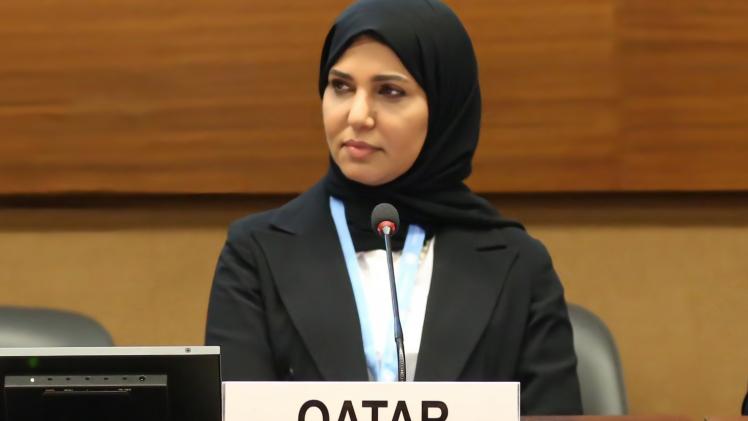
Qatar's Permanent Representative to the United Nations Office in Geneva, Hind Abdulrahman al-Muftah, delivered significant remarks during the 63rd session of the U.N. Human Rights Council, calling for sustained international assistance for Syria. During her full address, al-Muftah emphasized the critical necessity of maintaining strong political, economic, and humanitarian support for Syria. She further stated unequivocally that all sanctions currently imposed on the country should be removed to facilitate its recovery and stability. This call shows Qatar's commitment to a holistic approach to the Syrian crisis, addressing both immediate needs and long-term recovery.
Qatar's Calls for Support
Qatar welcomed the new phase in Syria, stating it provided a key opportunity to build a future that guarantees the rights of all Syrians. This perspective notes the nation's hope for a renewed era of stability and prosperity within the country. The nation also commended ongoing efforts to advance transitional justice within Syria, recognizing its importance for reconciliation and accountability. Qatar further praised initiatives specifically aimed at addressing the critical and sensitive issue of missing persons in the country, a matter of profound concern for many Syrian families. These statements collectively reflect Qatar's broad support for internal reforms and humanitarian considerations within Syria.
Security and Sovereignty Concerns
Qatar urged the international community to adopt a firm position against Israeli attacks on Syrian territory. This call for decisive action shows the gravity with which Qatar views these incursions. The Qatari government emphasized the critical importance of upholding Syria's sovereignty and territorial integrity in the face of such actions, viewing respect for national borders as fundamental to regional stability. Qatar reiterated its backing for the integration of the Syrian Democratic Forces (SDF) into Syrian state military institutions. This stance aligns with Qatar's broader calls for a stable and unified Syria, free from external aggression and internal fragmentation. The nation's diplomatic efforts continue to focus on promoting a full resolution to the Syrian conflict that respects national sovereignty and security, advocating for a future where Syria can manage its internal affairs without undue external interference.
Syrian-Turkish Diplomatic Engagement
Syrian Minister of Foreign Affairs and Expatriates Asaad Hassan al-Shaibani held a significant meeting with Turkish Foreign Minister Hakan Fidan in Ankara. The discussions between al-Shaibani and Fidan focused extensively on addressing ways to strengthen bilateral relations between Syria and Türkiye, signaling a potential thaw or at least an opening for dialogue between the two nations. During their encounter, the two ministers also reviewed the latest developments concerning the Syria-Türkiye Higher Coordination Council, indicating ongoing efforts to manage and potentially improve their relationship through established diplomatic channels. This meeting represents a key moment in regional diplomacy, as both countries navigate complex geopolitical dynamics.
Broader Regional Context
The Syrian Minister of Foreign Affairs and Expatriates, Asaad Hassan al-Shaibani, and Turkish Foreign Minister Hakan Fidan, during their meeting in Ankara, further discussed the latest developments across the broader region. Their talks encompassed not only the specific bilateral issues between Syria and Türkiye but also broader geopolitical shifts and challenges impacting the wider Middle East. This regional overview notes the interconnectedness of their respective national interests and the need for coordinated approaches to regional stability. The engagement between these high-level officials shows the ongoing diplomatic efforts to address multifaceted challenges and foster improved relations within a complex regional landscape.