From the archive
Sheikh Hamad bin Khalifa Al Thani: Architect of Qatar's Relevance and Security
Sheikh Hamad bin Khalifa Al Thani transformed Qatar into a relevant and secure nation, making it an indispensable player on the regional and international…
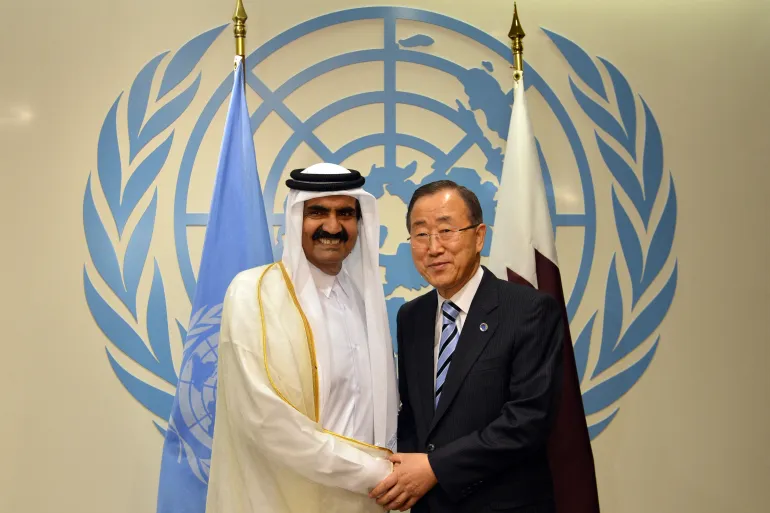
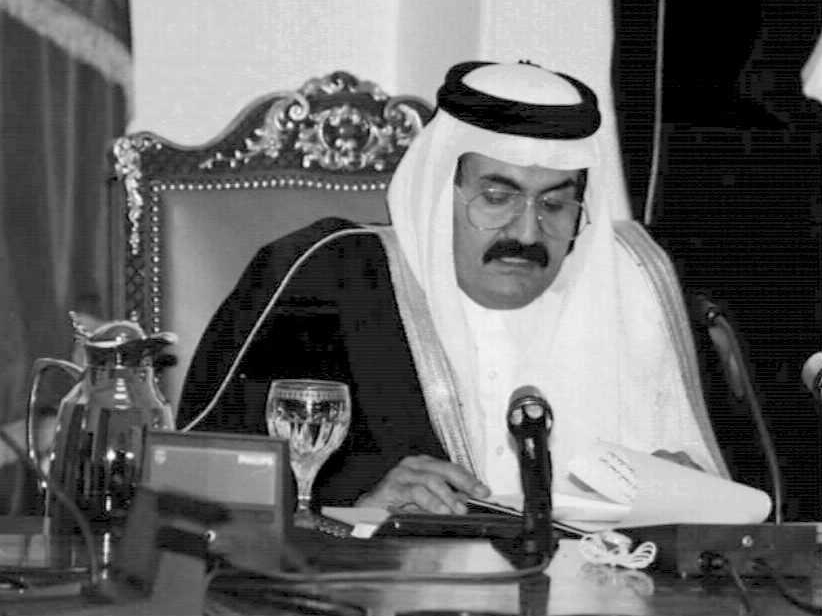
Sheikh Hamad bin Khalifa Al Thani, who took the throne in June 1995, died in Doha on July 12, 2026, at the age of 74. His leadership marked a significant period for Qatar, transforming its regional and international standing. His reign, which began over two decades prior to his passing, shaped many of the policies that defined modern Qatar. This era, spanning nearly two decades, saw Qatar emerge from relative obscurity to become a key player in global energy markets and international diplomacy. His vision for the nation extended beyond its borders, aiming to secure Qatar's long-term prosperity and influence through strategic investments and a proactive foreign policy.
Building a Voice and Influence
Al Jazeera began broadcasting in 1996, a move that significantly amplified Qatar's presence on the international stage. The establishment of the news network marked a strategic effort to cultivate a distinct voice in regional and global media. This bold initiative, launched just a year after Sheikh Hamad bin Khalifa Al Thani ascended to power, immediately signaled Qatar's ambition to break from traditional regional media landscapes. Through its Arabic and later English channels, Al Jazeera offered alternative perspectives on Middle Eastern affairs, often challenging narratives presented by state-controlled media in other Arab nations. This independent stance generated both praise and controversy, positioning Qatar as a hub for open discourse and a facilitator of public debate across the Arab world. The network's reporting on conflicts, political developments, and social issues provided a platform for voices that were frequently absent from mainstream outlets. Its reach extended beyond the Middle East, establishing a global footprint and enhancing Qatar's soft power. Al Jazeera's inception also coincided with a period of broader diplomatic engagement by Qatar, allowing the nation to project its views and interests more effectively to a wider audience. The creation of such an influential media entity demonstrated a proactive approach to shaping international perceptions and fostering a unique brand of public diplomacy. Its impact was profound, not only in disseminating news but also in shaping public opinion and providing a counter-narrative to Western media portrayals of the region. This media venture became a cornerstone of Qatar's foreign policy, enabling it to punch above its weight in international relations and cultural exchange.
Qatar's North Field stands as the single largest reservoir of non-associated gas on earth. The immense hydrocarbon reserves provided the economic foundation for Sheikh Hamad bin Khalifa Al Thani's ambitious foreign policy and development initiatives. Revenues generated from the extraction and export of natural gas allowed Qatar to pursue significant investments in infrastructure, education, and international ventures. The country's position as a major global energy supplier granted it considerable economic leverage and strategic importance on the world stage. The strategic exploitation of this colossal natural gas field transformed Qatar from a modest pearl diving and fishing economy into one of the world's wealthiest nations per capita. This substantial resource base underpinned Qatar's capacity to fund projects like Al Jazeera and to engage in extensive diplomatic efforts, including mediation in regional conflicts. The economic stability derived from the North Field enabled Qatar to act with greater independence and to carve out a distinctive foreign policy that often diverged from its larger neighbors. The long-term security of extracting and exporting these vast gas reserves became a central pillar of Qatar's national strategy, influencing its relationships with both consuming nations and regional partners. The foresight in developing these resources, coupled with strategic investments in liquefied natural gas (LNG) infrastructure, solidified Qatar's role as an indispensable energy provider, thereby enhancing its geopolitical standing and providing the financial muscle for its ambitious domestic and international agenda.
The Instrument of Relevance
Qatar took a step towards broader political participation by holding its first municipal elections in 1999. This process allowed citizens to elect members to the Central Municipal Council, marking an initial phase in developing local governance structures. The elections were part of a series of reforms initiated under Sheikh Hamad bin Khalifa Al Thani, aimed at modernizing the state's institutions and engaging the population in civic affairs. The establishment of elected municipal bodies provided a platform for local community representation and addressed administrative needs at a grassroots level, distinct from the national political framework. These elections, held just four years after Sheikh Hamad took the throne, represented a significant departure from the traditional governance models prevalent in the Gulf region, signaling a gradual but deliberate move towards greater public involvement in the country's administration. While not immediately leading to a fully democratic system, they laid key groundwork for future political development and fostered a sense of civic responsibility among the populace.
Further institutional development occurred with the adoption of Qatar's first constitution in 2003. This constitutional framework laid out the fundamental laws of the state, defining the powers and responsibilities of government branches, and outlining the rights and duties of citizens. The new constitution was a significant milestone, providing a legal foundation for the country's governance and codifying principles for its future political evolution. Its implementation represented a formalization of state structures and an articulation of national identity and aspirations, contributing to the country's long-term stability and legal coherence. The constitution enshrined principles such as the separation of powers and guaranteed certain civil liberties, reflecting Sheikh Hamad bin Khalifa Al Thani's commitment to modernizing the state's legal and political architecture. This move was widely seen as a progressive step, solidifying the rule of law and providing a clear framework for national development and citizen engagement, further distinguishing Qatar's reform trajectory within the region.
Expanding its role in international diplomacy, Qatar facilitated the opening of a political office for the Taliban in Doha in 2012. This development occurred at the request of Washington, positioning Qatar as a neutral mediator in complex international negotiations. The establishment of the office provided a channel for communication and potential dialogue between the Taliban and international actors, particularly the United States. Qatar's willingness to host the office showed its growing reputation as a facilitator for peace talks and a venue for various parties to engage in discussions on sensitive geopolitical issues. This move noted Qatar's strategic foreign policy of engaging with diverse global players to resolve conflicts. By providing a neutral ground for such sensitive discussions, Qatar demonstrated its unique position as a trusted intermediary, capable of engaging with parties often shunned by other nations. This initiative, undertaken during the later years of Sheikh Hamad bin Khalifa Al Thani's rule, significantly enhanced Qatar's diplomatic credibility and established its role as a key player in resolving some of the world's most intractable conflicts.
A New Model of Statecraft
Sheikh Hamad bin Khalifa Al Thani ruled Qatar for 18 years, a period marked by significant internal changes and an assertive foreign policy. His tenure saw the nation develop its vast natural gas resources, establish a prominent international media presence with Al Jazeera, and engage in diplomatic mediation efforts. His 18-year reign, commencing in June 1995, was characterized by a relentless pursuit of national development and international recognition, fundamentally altering Qatar's trajectory. The conclusion of his rule involved a notable transition of power, which showed a departure from typical regional succession patterns. This period of dynamic growth and strategic positioning cemented Sheikh Hamad's legacy as a transformative leader who successfully navigated Qatar through complex regional dynamics and global challenges.
In 2013, Sheikh Hamad handed over power, marking a planned and peaceful transfer of leadership. This decision was a departure from the historical norm in the Gulf region, where leadership changes often occurred through less predictable means. The handover was presented as a strategic move to empower a younger generation of leaders, ensuring continued stability and progress for the state. This voluntary abdication, a rare occurrence in hereditary monarchies, particularly in the Middle East, drew international praise and reflected a forward-thinking approach to governance. It demonstrated a profound commitment to the nation's future over personal power, setting a new precedent for leadership transitions in the region.
Sheikh Hamad peacefully handed over power to his son, Sheikh Tamim, in a move that resonated both domestically and internationally. The transition was framed as a generational shift, intended to allow the new emir to lead Qatar into its next phase of development. This succession plan was carefully orchestrated, featuring public addresses from both the outgoing and incoming emirs, emphasizing unity and continuity. The smooth transfer demonstrated a conscious effort to modernize the process of leadership succession within the Gulf monarchy, contrasting with the more common practice of leaders remaining in power for life. This act of statesmanship not only ensured a smooth transition but also projected an image of stability and maturity for Qatar on the global stage, solidifying the institutional strength built during Sheikh Hamad bin Khalifa Al Thani's impactful 18-year rule. His legacy is one of visionary leadership, transforming a small Gulf state into a globally recognized and influential actor.