From the archive
Former Emir Hamad bin Jalifa Al Thani's Legacy: Transforming Qatar into a Regional Powerhouse
Former Emir Hamad bin Jalifa Al Thani transformed Qatar into a regional powerhouse through petrodollars and Al Jazeera, boosting its global influence.
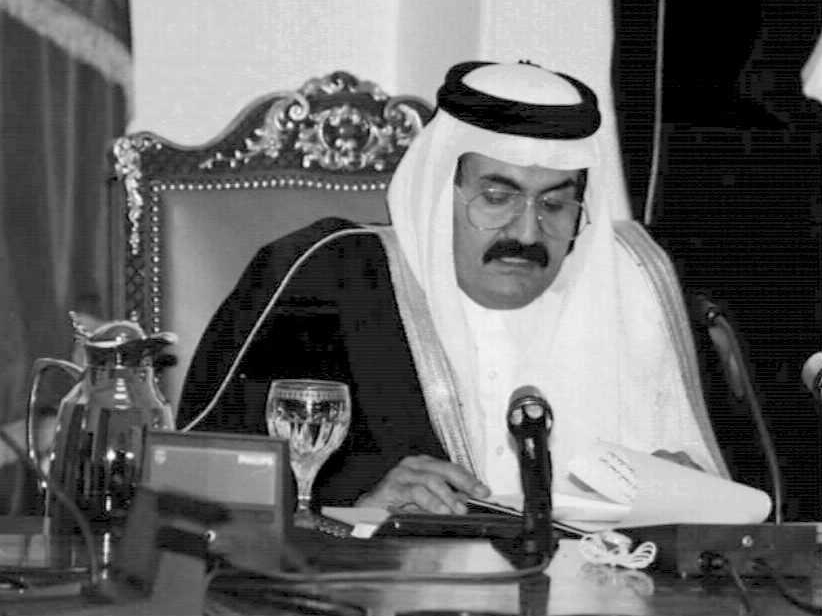
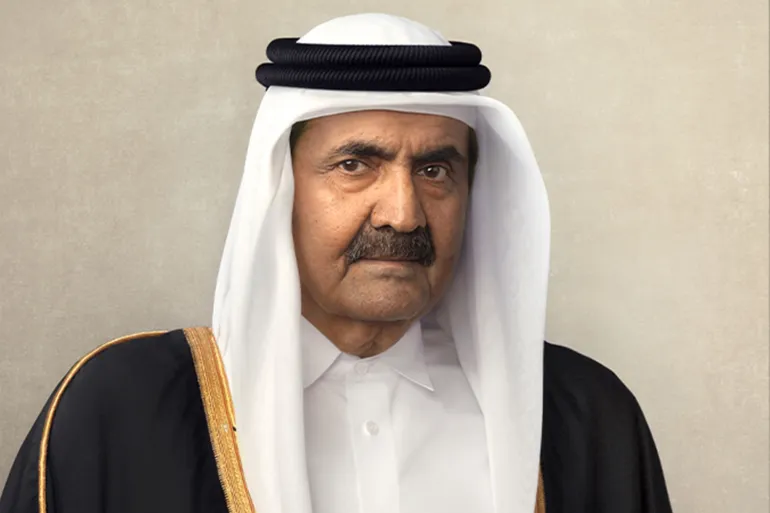
Former Emir Hamad bin Jalifa Al Thani, who played a central role in transforming Qatar into a significant regional and international player, passed away on Sunday at the age of 74. His death marks the end of an era for the Gulf nation, which saw substantial economic and geopolitical growth under his leadership. The former Emir was a key figure in Qatar's modern development, overseeing its rise as a major energy exporter and a hub for media and diplomacy in the Middle East. His tenure was characterized by ambitious initiatives that expanded Qatar's influence beyond its borders, fundamentally altering its standing on the global stage. His strategic vision and decisive actions laid the groundwork for Qatar's current prosperity and international profile.
Rise to Power and Early Reforms
Hamad bin Jalifa Al Thani assumed power in 1995 through a bloodless palace coup against his father, Emir Jalifa. This transition marked a significant moment in Qatar's political history, ushering in a new era of leadership. The Al Thani family had established themselves in power in the territory by the late 19th century, laying the groundwork for the modern state and its ruling dynasty. Their long-standing presence provided a historical continuity to the leadership transitions. Qatar gained definitive independence in 1971, ushering in a new era for the small but resource-rich nation, allowing it to chart its own course on the international scene. Emir Jalifa himself had been crowned after deposing his cousin Ahmad in 1972, a common pattern in the region's monarchical transitions, noting the dynamic nature of power within the Al Thani family. These historical precedents set the stage for Hamad bin Jalifa Al Thani's own ascension and subsequent reforms.
Hamad bin Jalifa Al Thani was later proclaimed crown prince, positioning him for future leadership and giving him an early insight into the mechanisms of governance. He was subsequently crowned as emir in the year 2000, solidifying his position as the nation's leader and formally commencing his reign. During his early years in power, Hamad bin Jalifa Al Thani granted the country its first Constitution, a significant step towards modern governance and the establishment of a legal framework for the state. This constitutional development provided a foundation for the rule of law and defined the rights and responsibilities within the Qatari society. He also established a unicameral Parliament, introducing a legislative body to Qatar's political structure and providing a forum for representation and debate. These early reforms marked the beginning of his transformative leadership, setting the stage for Qatar's emergence as a regional powerhouse and demonstrating his commitment to modernizing the state's institutions. His actions signaled a departure from previous administrative approaches, aiming to create a more strong and responsive government.
Economic and Geopolitical Transformation
Under Hamad bin Jalifa Al Thani's leadership, Qatar underwent a significant economic and geopolitical transformation. This period was characterized by rapid development and strategic investments that leveraged the nation's vast natural resources. By 2013, the year he abdicated, Qatar had achieved the highest Gross Domestic Product (GDP) in the entire Middle East, a testament to its economic prowess and successful development strategies. This remarkable economic strength was underpinned by the nation's vast natural resources; Qatar holds 10% of the world's proven hydrocarbon reserves, primarily natural gas. This substantial endowment of energy resources provided the financial bedrock for Qatar's ambitious development projects and global investments. The strategic management of these reserves was key to the nation's economic success.
A key strategic move during this period was the establishment of the Qatar Investment Authority (QIA) in 2005. The QIA, the state sovereign investment fund, was created to diversify Qatar's economy beyond hydrocarbons and invest its substantial wealth globally, extending the nation's financial influence across various sectors and geographies. The QIA's investments ranged from real estate to technology and finance, securing Qatar's economic future and creating new revenue streams. Paralleling its economic ascent, Qatar also solidified its geopolitical standing through strategic alliances and diplomatic initiatives. A notable development was making Al Udeid Air Base, situated 35 kilometers from Doha, available to the U.S. Joint Forces Command. This decision significantly enhanced Qatar's role in regional security architecture, positioning it as a key partner in maintaining stability in the Middle East. The agreement led to the permanent deployment of up to 11,000 troops at Al Udeid Air Base, further cementing Qatar's strategic partnership with the United States and showing its importance in international defense operations. These initiatives collectively contributed to Qatar's emergence as a major player on both economic and geopolitical fronts during Hamad bin Jalifa Al Thani's tenure, transforming a small Gulf state into a globally recognized power.
Regional Influence and Media Power
Qatar launched the Al Jazeera network in 1996, primarily funding the media organization as a key component of its strategy to project influence regionally and internationally. The establishment of Al Jazeera marked a significant step in Qatar's media expansion efforts during this period, providing an alternative voice in Arab media and gaining a wide audience across the Middle East and beyond. The network quickly became a prominent news source, shaping public discourse and enhancing Qatar's soft power. In the same year, Prime Minister Simon Peres made a historic visit to Doha, a diplomatic engagement that showed Qatar's growing regional stature and its willingness to engage with diverse international actors, including those with whom many Arab nations had limited contact. Peres's visit represented a notable moment in Qatari diplomacy under Hamad bin Jalifa Al Thani's leadership, signaling an active foreign policy approach that sought to broaden Qatar's diplomatic horizons and establish its role as a regional mediator. These engagements demonstrated Qatar's increasing confidence and its proactive stance in regional and international affairs.
Context and End of Reign
Hamad bin Jalifa Al Thani's abdication took place in the fall of 2013, marking the end of his transformative reign and a planned transition of power. His leadership significantly shaped Qatar, a nation with an area of 11,600 km². Despite its relatively small geographical size, Hamad bin Jalifa Al Thani oversaw substantial growth and influence for the country, demonstrating that strategic vision could overcome physical limitations. Qatar's population is around 2.5 million inhabitants, a demographic context within which the former Emir pursued ambitious economic and geopolitical strategies, successfully elevating the nation's profile on the global stage. His departure led to the succession of his son, Tamim, continuing the Al Thani family's rule and ensuring a smooth transition of leadership. The legacy of Hamad bin Jalifa Al Thani remains profound, as he is credited with laying the foundation for modern Qatar's economic prosperity, political stability, and significant international standing. His strategic decisions in energy, finance, media, and foreign policy continue to define Qatar's path forward in the 21st century.