From the archive
Meloni's Qatar Visit Shows Growing Italy-Gulf Ties
Italian PM Giorgia Meloni's visit to Qatar for condolences highlights deepening strategic, economic, and energy ties with Doha and the Gulf region.
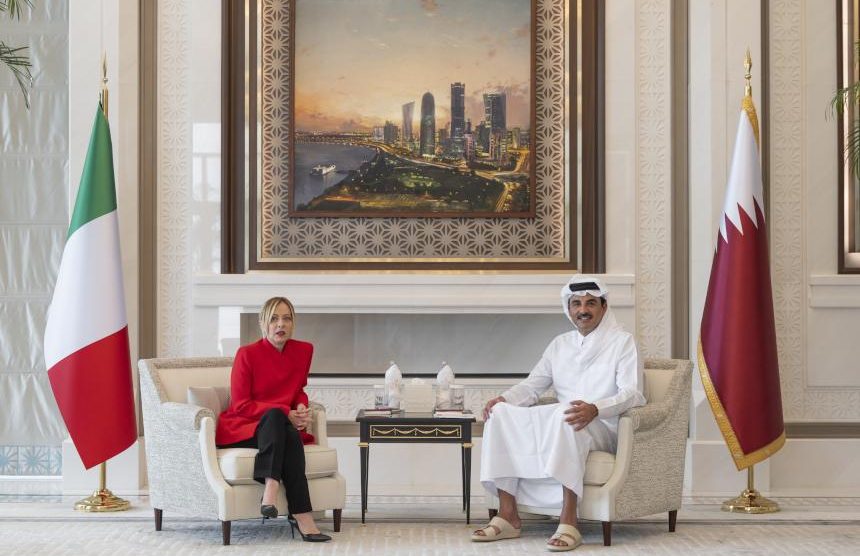
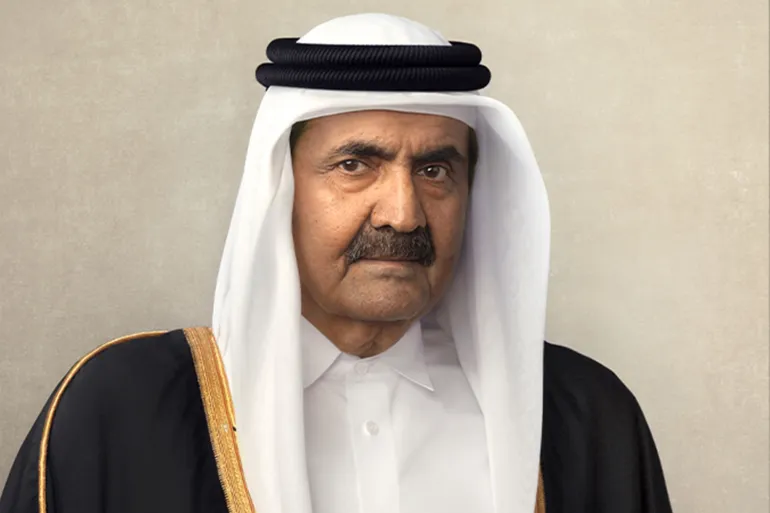
Italian Prime Minister Giorgia Meloni is expected to travel to Qatar to offer condolences following the death of former emir Sheikh Hamad bin Khalifa Al Thani, who passed away on Sunday at 74. Meloni stated Sheikh Hamad bin Khalifa Al Thani was "one of those rare leaders who changed the course of his nation’s history." She further remarked that the former emir, "With extraordinary vision, courage and determination, he laid the foundations of modern Qatar, strengthened its institutions and gave it a voice and prestige well beyond its borders." This upcoming visit by Prime Minister Meloni notes the deepening diplomatic relationship between Italy and the Gulf state, particularly in the wake of the former emir's passing. Her personal expression of sympathy shows the perceived significance of Sheikh Hamad's contributions to Qatar's development and its standing on the global stage. The visit is expected to reinforce the ongoing dialogue and cooperation between the two nations, building on recent high-level engagements.
Legacy of Former Emir
The former emir, Sheikh Hamad bin Khalifa Al Thani, governed Qatar from 1995 to 2013. During his nearly two-decade rule, Qatar underwent a period of transformative change, establishing itself as a prominent regional and international player. A cornerstone of his vision was the launch of the all-news global media outlet Al Jazeera in 1996, which significantly impacted the regional media landscape and provided Qatar with an influential platform. This media initiative quickly gained international recognition, reshaping perceptions and discussions across the Middle East and beyond. Under his leadership, Qatar also made significant strides in institutional development, culminating in the promulgation of Qatar's first permanent constitution in 2004. This landmark document established key governmental structures and codified fundamental rights, laying a strong legal framework for the nation's future. His reign also saw the introduction of municipal elections, which notably allowed women to vote and stand as candidates for the first time in Qatar, marking a significant step towards greater civic participation. These reforms showed a commitment to modern governance and broader societal engagement.
In 2013, Sheikh Hamad abdicated, transferring power to his son, Tamim bin Hamad Al Thani, in a peaceful and unprecedented transition of power in the Gulf region. This act was widely seen as a forward-looking move to ensure stability and continuity in leadership. Following the announcement of his passing, Qatar has declared four days of national mourning, reflecting the profound respect and sorrow felt throughout the nation. As part of these observances, flags across the nation have been lowered to half-staff, a traditional symbol of national grief. Additionally, government offices in Qatar are suspending work during this period of mourning, allowing citizens and officials to observe the period of remembrance and pay their respects to the former leader. The national mourning period further emphasizes the deep impact Sheikh Hamad had on the country's trajectory and its people.
Deepening Diplomatic Engagement
Italian Prime Minister Giorgia Meloni has engaged in multiple high-level meetings with Qatari officials, signaling a strengthening of bilateral ties and Italy's strategic interest in the Gulf region. These interactions demonstrate a concerted effort by Italy to foster closer diplomatic and economic relationships. Meloni met with Emir Tamim bin Hamad Al Thani in Milan in February, a meeting that served to reinforce the personal rapport between the leaders and discuss areas of mutual interest. This was followed by a significant visit to Doha in April by the Italian Prime Minister as part of a broader tour of the Gulf region, indicating Italy's full engagement strategy for the area. During her visit to the Qatari capital, discussions likely centered on energy cooperation, investment opportunities, and regional stability.
In May, Meloni participated in the Europe Gulf Forum in Greece, an event she opened alongside Qatari Prime Minister Mohammed bin Abdulrahman bin Jassim Al Thani. Her co-chairmanship of such a prominent forum showed Italy's commitment to bridging Europe and the Gulf, facilitating dialogue on critical geopolitical and economic issues. Another bilateral meeting with Emir Tamim bin Hamad Al Thani took place in June, on the sidelines of the G7 summit held in Évian. These repeated engagements at international forums highlight the importance both nations place on their relationship, using multilateral platforms to advance their shared agenda. The frequency of these high-level interactions within a relatively short period reflects a deliberate push to elevate the strategic partnership between Italy and Qatar. These discussions often cover a broad spectrum of topics, from economic investment and cultural exchange to cooperation on international security matters.
Beyond Qatar, Meloni's diplomatic efforts extended to other key Gulf nations during her April regional mission, showcasing a holistic approach to Gulf diplomacy. She met with Saudi Crown Prince Mohammed bin Salman in Jeddah, engaging with another key leader in the region. During the same period, Meloni also held discussions with United Arab Emirates President Mohamed bin Zayed Al Nahyan in Abu Dhabi, further broadening Italy's network of high-level contacts. The Italian Prime Minister met with Mohamed bin Zayed Al Nahyan again in June, on the sidelines of the G7 summit, indicating sustained engagement with the UAE. These engagements show Italy's expanding diplomatic presence in the region and its recognition of the Gulf's growing geopolitical and economic influence. Italy's proactive stance aims to solidify its position as a key European partner for Gulf states. In December 2025, Meloni attended the Gulf Cooperation Council summit in Manama, further emphasizing Italy's commitment to diplomatic engagement with Gulf states and its desire to participate in broader regional discussions. This attendance at a major regional gathering signifies Italy's intent to be a consistent and reliable partner in the Gulf.
Strategic Energy Partnership
Qatar stands as one of Italy's primary suppliers of liquefied natural gas (LNG), playing a significant and increasingly critical role in the European nation's energy security. This partnership is part of a broader energy relationship between Italy and the Gulf region, which collectively provides a substantial portion of Italy's energy imports. Specifically, the Gulf region supplies 10% of Italy's total gas and 15% of its oil, making it an indispensable source for the country's energy needs. This reliance on Gulf energy resources shows the strategic importance of Prime Minister Giorgia Meloni's diplomatic engagements in the area. Italy's efforts to diversify and secure its energy supply have led to increased cooperation with key energy producers in the Middle East, particularly in the wake of global energy market shifts.
The direct supply from Qatar contributes significantly to Italy's energy mix, particularly as European nations seek stable and varied sources of natural gas to enhance their energy independence and resilience. Qatar's position as a major global LNG exporter makes it a highly attractive partner for Italy, which is keen to reduce its reliance on other less stable sources. This strategic energy relationship forms a critical component of the deepening ties between Italy and Gulf states, influencing both economic and diplomatic policy decisions. The mutual benefits are clear: Italy secures vital energy resources, while Qatar strengthens its position as a reliable global energy provider and gains a strong European ally. The ongoing dialogue and high-level visits between Italian and Qatari officials reflect the mutual interest in strengthening these energy pathways and ensuring continuity of supply, which is critical for Italy's industrial base and household consumption. Italy's focus on maintaining strong energy partnerships in the Gulf is a consistent feature of its foreign policy, aimed at supporting its economic stability and industrial needs, and securing its long-term energy future. These energy ties are often a foundational element upon which broader economic and political cooperation is built, reinforcing the overall strategic importance of the Gulf to Italy.