From the archive
Shell Reports Surge in Q1 Profits Amidst Geopolitical Turmoil and Asset Damage
Shell reports a 19% surge in Q1 profits to $6.92 billion, driven by rising oil prices amidst Middle East conflict and damage to Qatar LNG assets.
Shell reported a 19 per cent increase in its first-quarter net profit, with adjusted earnings reaching $6.92 billion, surpassing market estimates. This surge in profitability comes amidst significant geopolitical events, including Iranian strikes that damaged Shell's assets at the Ras Laffan complex in Qatar during March 2026. The damage to energy infrastructure followed Iran's retaliation against US-Israeli aggression, leading to attacks on key energy sites across the Gulf region and the effective closure of the Strait of Hormuz, according to reports. This period of heightened geopolitical tension and direct conflict in the Middle East has had profound implications for global energy markets, directly impacting the operations and financial performance of major energy companies like Shell. The strategic importance of the Gulf region as a primary source of global energy supplies means that any disruption there reverberates across the international economy.
Global oil prices experienced a major shock, climbing from approximately $61 a barrel in January to highs of $119 by the end of March 2026. This dramatic increase reflects the market's immediate reaction to the instability and supply concerns arising from the conflict. Oil prices have risen about 40 per cent since the war began on February 28, and market prices remain more than 50% higher than last year. The rapid escalation of prices showed the vulnerability of global energy supplies to geopolitical events in critical production regions. However, oil plunged below $100 a barrel on Wednesday after the US and Iran agreed to a two-week ceasefire, offering a temporary reprieve from the intense market volatility. This ceasefire agreement, even if short-lived, demonstrated the market's sensitivity to any signs of de-escalation or potential resolution in the conflict. The fluctuations highlight the precarious balance between supply, demand, and geopolitical stability that dictates global energy costs.
Financial Performance and Shareholder Returns
Shell raised its dividend by 5 percent while simultaneously cutting its quarterly share buyback program from $3.5 billion to $3 billion. The decision to increase dividends signals confidence in the company's underlying financial strength and its ability to generate returns for shareholders, even amidst a challenging global environment. However, the reduction in the share buyback program suggests a strategic recalibration of capital allocation, potentially to conserve cash or invest in other areas. The energy giant is anticipated to report "significantly higher" profits from its trading desks for the first quarter of 2026. This expectation shows the importance of Shell's trading operations in capitalizing on market volatility, which has been particularly pronounced during the recent geopolitical turmoil. The ability of these desks to navigate and profit from extreme price swings and supply disruptions is a key component of Shell's overall financial resilience.
Within its renewable energy division, Shell's trading profits are expected to reach between $200 million and $700 million during the first quarter of 2026. This projection represents a substantial increase from approximately $100 million recorded in the final quarter of the previous year, indicating growing profitability and strategic focus on its renewable energy portfolio. The company's investment in renewable energy is a long-term strategy aimed at diversifying its energy mix and aligning with global decarbonization efforts, and the strong trading performance in this sector is a positive sign for its future trajectory. Alongside these financial movements, Shell announced its entry into an agreement to acquire the Canadian energy company ARC Resources. This acquisition is a strategic move to expand Shell's upstream portfolio and strengthen its position in North American energy markets, potentially providing further diversification and growth opportunities. The acquisition of ARC Resources is expected to complement Shell’s existing operations and contribute to its overall production capacity and market presence.
Impact of Iran War on Oil Prices and Output
Brent crude was trading at $97.47 a barrel on Thursday, while West Texas Intermediate stood at $91.36 a barrel. These prices reflect the ongoing market adjustments to the ceasefire agreement and the broader geopolitical landscape. The ongoing conflict in the Middle East has significantly impacted global oil and gas flows, leading to considerable market uncertainty. Major disruptions to oil and gas shipments through the Strait of Hormuz led to some of the largest daily price movements on record. The effective closure of the Strait of Hormuz, a critical chokepoint for global oil transit, created immediate and severe supply concerns, driving prices upwards dramatically. The Iranian attacks on key energy sites across the Gulf region, launched in retaliation to US-Israeli aggression, further exacerbated these fears, directly threatening infrastructure vital for global energy supply.
Shell reported a 4% decline in its oil and gas output for the first quarter compared to the fourth quarter of the previous year, attributing the reduction to the war. This decrease in production notes the direct operational impact of the conflict on major energy producers. Other major energy companies have also experienced production losses as a direct consequence of the regional instability. US oil company Exxon Mobil stated on Wednesday that it lost 6% of its global production in the first quarter of 2026 due to the Iran war. This substantial loss for another industry giant shows the widespread operational challenges faced by the energy sector in the wake of the conflict. The cumulative effect of these production declines from multiple major players contributes significantly to the tightening of global energy supplies and upward pressure on prices. This section's information was amended on April 8, 2026, to ensure accuracy and reflect the latest available data regarding the war's impact on production.
Qatar LNG Facility Damage and Recovery
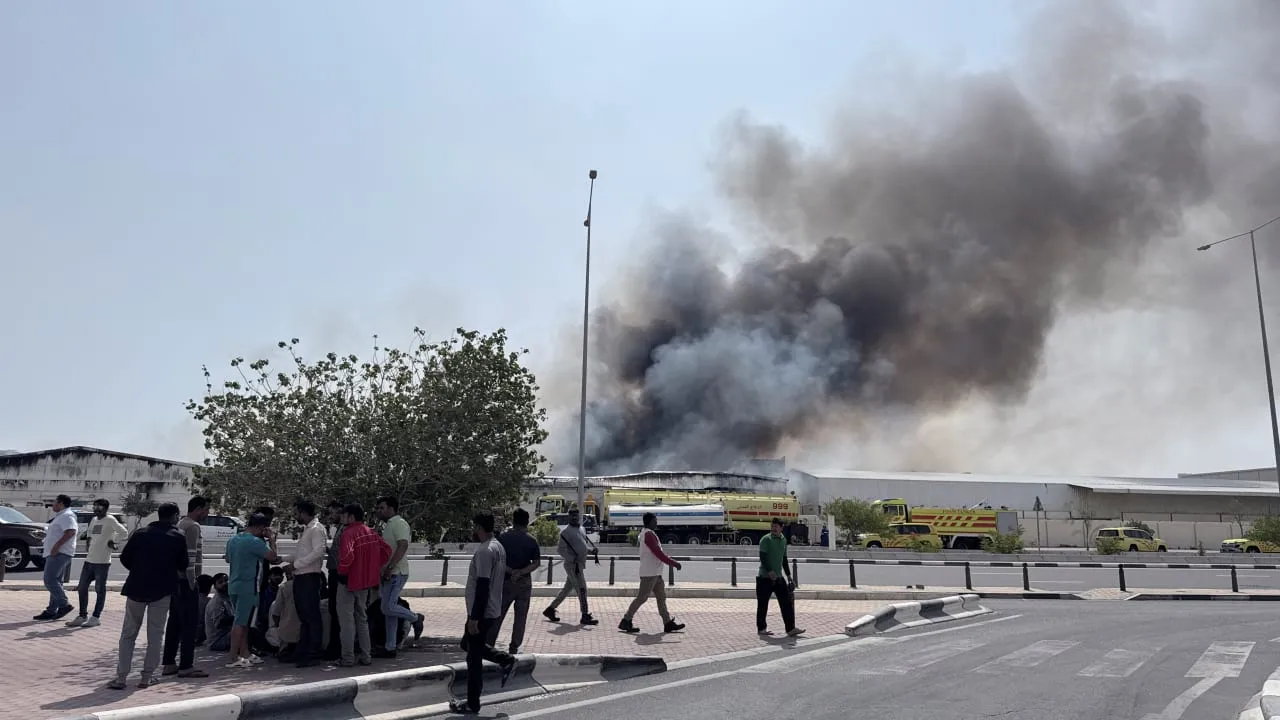
Qatar announced a halt to production at the Ras Laffan refinery in March following damage to Shell's assets, according to reports. The damage to these critical facilities, specifically Shell's assets at the Ras Laffan complex, was a direct result of the Iranian strikes in March 2026. Concurrently, Qatar declared force majeure on its liquefied natural gas (LNG) shipments, indicating an inability to fulfill contractual obligations due to unforeseen circumstances arising from the damage. This declaration immediately signaled a significant disruption to global LNG supplies, impacting importing nations and further tightening an already sensitive energy market. Officials stated that the damaged Qatari LNG facilities are expected to require a year to return to normal service, noting the extensive nature of the damage and the prolonged period of reduced supply. Initial estimates suggest the cost to repair these facilities will be "well below" half a billion dollars, a substantial figure that reflects the complexity and scale of the necessary restoration work. The repair efforts will involve significant engineering and logistical challenges to bring the facilities back online and restore full production capacity.
The loss of Qatari production is anticipated to be partially mitigated by other Shell operations. The energy company expects to offset some of this impact, as well as the effects of Cyclone Narelle on its Australian production, through the ramp-up of output from its LNG Canada venture. This strategic diversification of assets and the ability to increase production from other regions are key for Shell to manage supply disruptions and maintain its global market presence. The LNG Canada project, therefore, plays a vital role in Shell's strategy to ensure supply resilience in the face of unforeseen events like geopolitical conflicts and natural disasters. The ramp-up of this venture is a testament to Shell's long-term planning and investment in securing future energy supplies.
Broader Market Dynamics and Future Outlook
Shell has warned investors to anticipate lower gas production for the first quarter of 2026 compared with the final quarter of the previous year. This warning reflects the ongoing challenges and disruptions affecting its operations, including the direct and indirect impacts of the Middle East conflict and other operational factors. The company expects its gas production to fall by approximately 5 percent, to between 880,000 and 920,000 barrels of oil equivalent a day. This figure compares to 948,000 barrels in the fourth quarter of last year, illustrating a measurable decline in its gas output. The reduction in gas production contributes to the broader tightening of global energy markets, particularly for natural gas, which is a critical fuel for power generation and industrial processes.
Shell's operations in Oman contribute about 10 percent of its global volumes that bypass the Strait of Hormuz. This strategic positioning provides a degree of insulation from disruptions affecting the strait, offering a more secure supply route for a portion of its output. The government of Iran has promised that the Strait of Hormuz will temporarily reopen during this period to facilitate the entry of oil and fuel tankers into the global market. This promise, made in the context of the two-week ceasefire agreement, offers a glimmer of hope for easing transit constraints, though its reliability and duration remain key concerns for market participants. The temporary reopening would allow for the movement of essential energy supplies, potentially helping to stabilize prices and alleviate some of the immediate supply pressures. However, the long-term stability of the region and the security of critical shipping lanes remain critical concerns for the global energy industry. The fluctuations in oil prices, the damage to key infrastructure, and the ongoing geopolitical tensions show the fragility of global energy supply chains and the profound impact of regional conflicts on international markets.