From the archive
Strait of Hormuz Tensions Persist as Iran Delays Response, Qatari Tanker Approaches
U.S. awaits Iran's response amid ongoing Strait of Hormuz tensions after UAE intercepts Iranian missiles and drones.
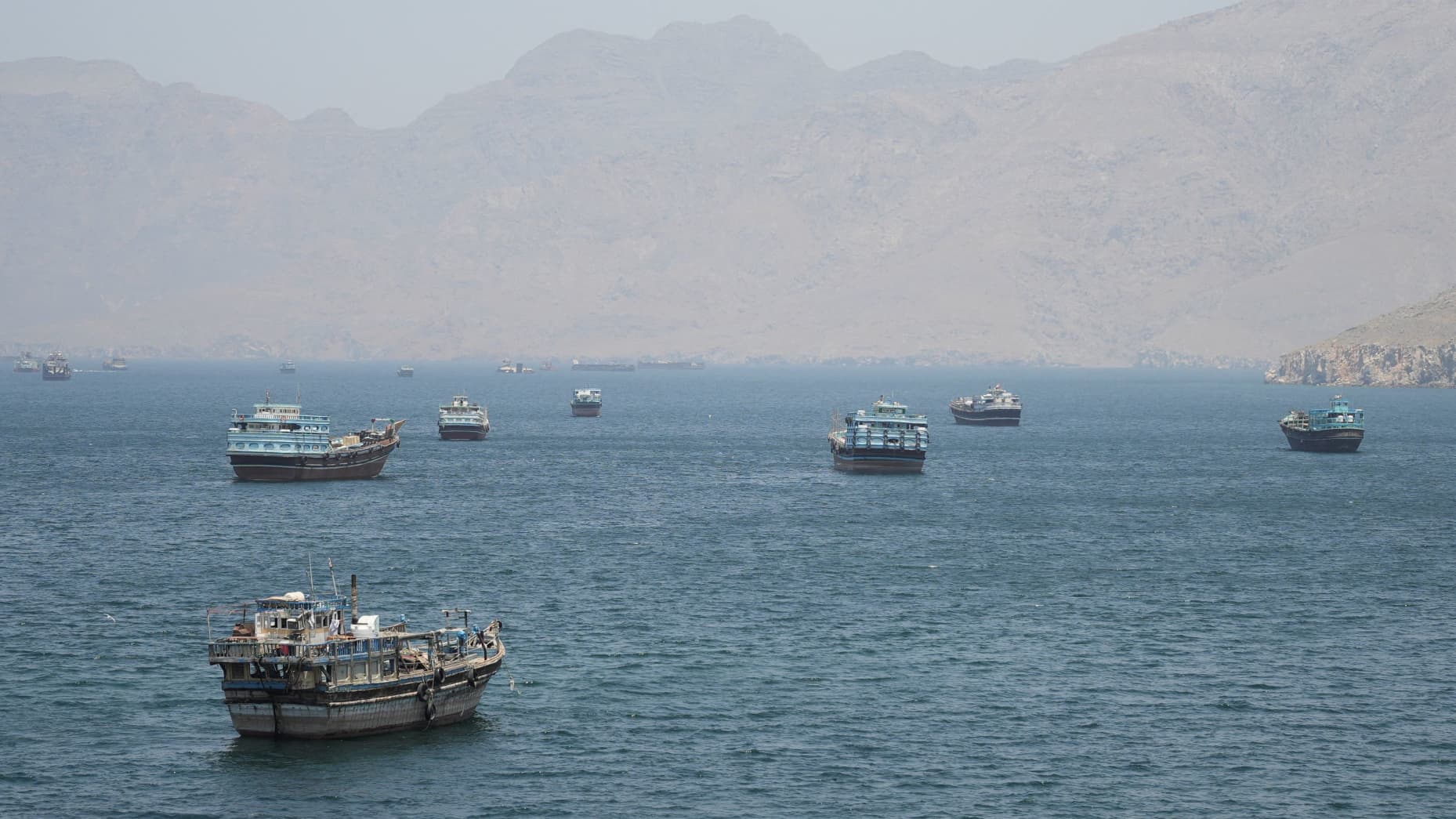
A state of relative calm prevailed around the Strait of Hormuz on Saturday, May 9, 2026, following days of sporadic flare-ups, even as the United States awaited a response from Iran regarding recent escalations. U.S. Secretary of State Marco Rubio stated on Friday, May 8, 2026, that Washington anticipated an Iranian response within hours. This development occurred after the United Arab Emirates reported engaging with ballistic missiles and drones launched from Iran. The broader context for these diplomatic maneuvers and military actions is the ongoing conflict that has gripped the region, with the United States actively seeking a resolution to more than two months of intense fighting.
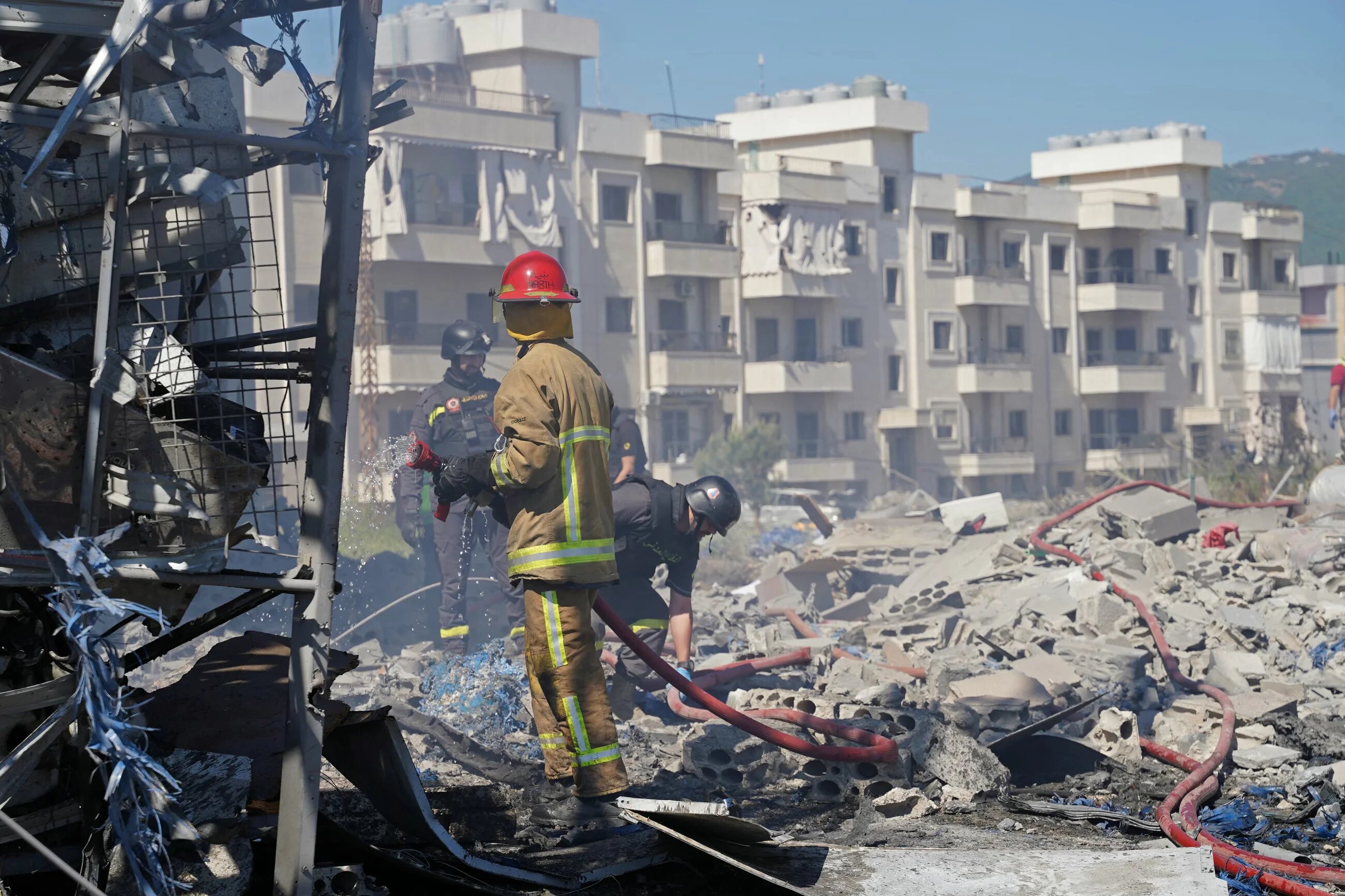
On Friday, May 8, 2026, the UAE announced its air defenses had intercepted two ballistic missiles and three drones originating from Iran. This action followed what the UAE described as a renewed attack. The incident shows the ongoing tensions in the critical shipping lane. Secretary Rubio's remarks on Friday indicated Washington's expectation of an imminent reaction from Tehran, though no details were provided regarding the nature of the anticipated response or the specific issues it would address. Reports on Saturday suggested a temporary de-escalation in the immediate vicinity of the Strait, contrasting with the preceding days of intermittent conflicts. This period of relative calm was particularly noteworthy given the significant flare-ups in fighting both within and around the strait that have been observed in recent days, marking the most intense period since a ceasefire commenced a month ago.
Diplomatic Stalemate Continues Amidst Renewed Hostilities
The United States was awaiting Iran's response to its latest proposals aimed at ending more than two months of fighting and initiating peace talks. U.S. Secretary of State Marco Rubio had explicitly stated on Friday, May 8, 2026, that Washington expected a response from Tehran within hours, signaling the urgency of the diplomatic efforts. However, a day later, no indication of movement from Tehran on the proposal was observed, deepening the diplomatic stalemate. This lack of a response from Iran has prolonged uncertainty regarding the path to de-escalation and a lasting peace in the volatile region.
On Friday, May 8, 2026, sporadic clashes occurred between Iranian forces and U.S. Vessels operating in the Strait of Hormuz. The U.S. Military reported striking two Iran-linked vessels that were attempting to enter an Iranian port during these incidents, noting the continued military engagements despite diplomatic overtures. These skirmishes show the precarious balance of power and the constant threat of escalation in the critical waterway.
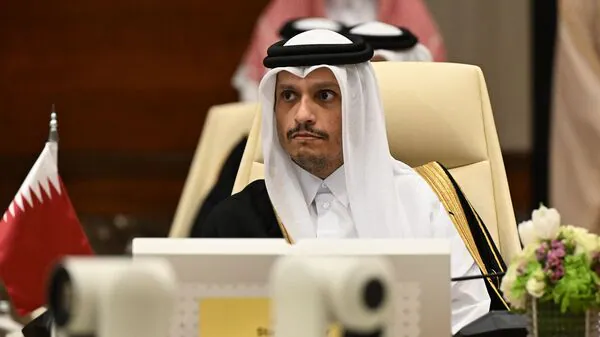
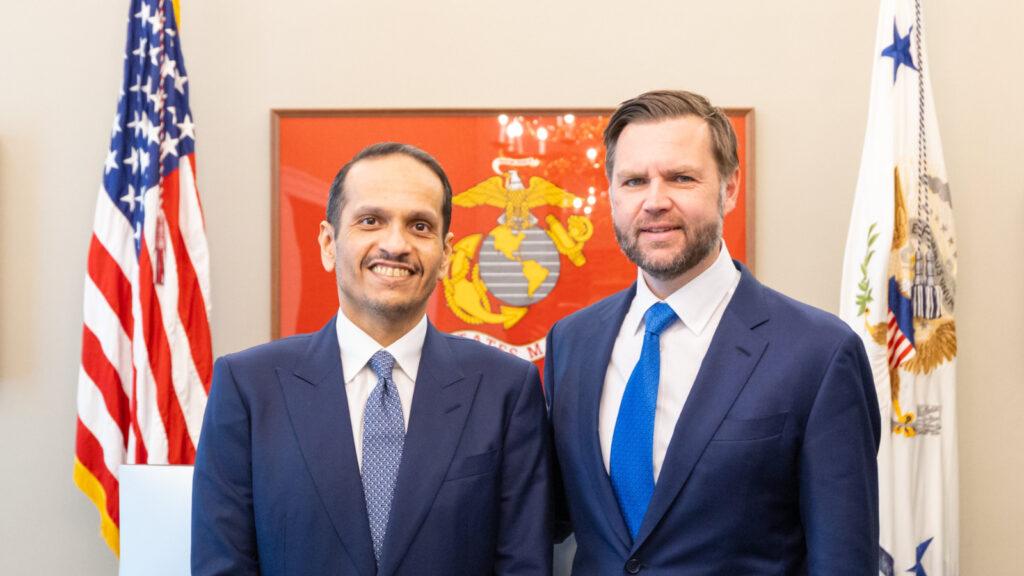
President Donald Trump stated on Thursday, May 7, 2026, that the ceasefire, which was announced on April 7, 2026, remained in effect despite the recent flare-ups. This assertion by President Trump aimed to reassure international observers that efforts for a broader cessation of hostilities were still active, even as localized conflicts persisted. Concurrently, the U.S. Treasury announced sanctions against 10 individuals and companies on Friday, May 8, 2026, citing their alleged involvement in aiding Iran's military. These new sanctions followed a blockade imposed by the U.S. On Iranian vessels the previous month, intensifying economic pressure on Tehran. The combined military actions and economic sanctions reflect a multifaceted approach by the United States to address the ongoing conflict and Iran's activities in the region. Reports indicated that three people sustained moderate injuries in the attack on the UAE that preceded these developments, serving as a stark reminder of the human cost of the ongoing hostilities. U.S. Secretary of State Marco Rubio met with Qatari Prime Minister Mohammed bin Abdulrahman al‑Thani in Miami on Saturday, May 9, 2026, amidst the ongoing diplomatic efforts and regional tensions, signaling continued engagement with regional partners to navigate the complex security landscape.
Qatari Tanker's Voyage Signals Potential Shift in Strait Access
A Qatari liquefied natural gas (LNG) tanker, the Al Kharaitiyat, was sailing toward the Strait of Hormuz on Saturday, May 9, 2026, with its destination set for Pakistan. This voyage marks what would be the first transit of a Qatari LNG vessel through the critical strait since the conflict began, if successfully completed. The tanker departed from Qatar's Ras Laffan terminal and is en route to Port Qasim in Pakistan. This specific route through the Strait of Hormuz is highly strategic, as it represents a vital artery for global energy supplies. Reports indicated the LNG cargo is being sold by Qatar to Pakistan under a government-to-government deal, noting the bilateral economic importance of this shipment.
Iran has reportedly approved the shipment, a move officials said was intended to help build confidence with both Qatar and Pakistan. This approval from Tehran is a significant development, potentially signaling a slight easing of restrictions on shipping for specific nations, especially in the context of humanitarian or critical energy needs. Pakistan has been engaged in discussions with Iran to secure permission for a limited number of LNG tankers to pass through the strait, primarily due to an ongoing gas shortage within the country. The successful passage of the Al Kharaitiyat could therefore set a precedent for future transits and alleviate energy concerns for Pakistan. The vessel itself is managed by Nakilat Shipping Qatar Ltd and operates under the Marshall Islands flag, indicating its international registration and operational oversight. It possesses a substantial cargo capacity of 211,986 cubic metres, showing the volume of energy it carries and its significance for Pakistan's energy supply.
The passage of the Al Kharaitiyat follows a prior incident on April 6, 2026, when Iran's Revolutionary Guards halted two other Qatar LNG tankers, the Al Daayen and Rasheeda, as they were heading towards the Strait of Hormuz. This earlier interception demonstrated the strict control Iran has exerted over the strait since the conflict began and the challenges faced by international shipping. Qatar is recognized as the world's second-largest exporter of liquefied natural gas, making its ability to transport LNG through the Strait of Hormuz key for global energy markets and its own economic stability. Amidst these regional developments, U.S. President Donald Trump is scheduled to commence a visit to China next week, a trip that is likely to include discussions on global energy security and the ongoing tensions in the Middle East.
Economic and Geopolitical Stakes Intensify
The conflict has had a severe impact on Qatar's energy infrastructure and global energy markets. Iranian attacks have reportedly disabled 17% of Qatar's liquefied natural gas (LNG) export capacity. This significant reduction in capacity has immediate and long-term implications for global energy supply. Repairs to the damaged infrastructure are anticipated to sideline 12.8 million tons per year of LNG export capacity for an estimated three to five years, indicating a prolonged period of reduced output from one of the world's leading LNG suppliers. The ongoing conflict has introduced significant turmoil into global energy markets, posing a growing threat to the world economy, as disruptions in such a vital region inevitably ripple across international trade and supply chains.
Tehran has largely restricted non-Iranian shipping through the Strait of Hormuz since the war began with U.S.-Israeli airstrikes across Iran on February 28, 2026. This blockade has severely impacted maritime traffic through one of the world's most critical chokepoints. Before the conflict, approximately one-fifth of the world’s oil supply transited through the critical waterway, showing its immense importance to global energy security. The current restrictions, therefore, represent a major disruption to international commerce and a source of considerable concern for nations reliant on oil and gas shipments through the strait. A recent assessment by the CIA indicated that Iran would not experience severe economic pressure from a U.S. Blockade of Iranian ports for roughly another four months. This assessment suggests that Iran possesses a degree of economic resilience, potentially influencing the duration and intensity of the conflict. Recent days have observed the most significant flare-ups in fighting both within and around the strait since a ceasefire commenced a month ago, indicating a renewed period of instability and heightened risk in this strategically vital maritime passage.