From the archive
Strait of Hormuz Traffic Surges Amid Diplomatic Breakthrough
Vessel traffic surges in the Strait of Hormuz following a diplomatic breakthrough between the U.S.
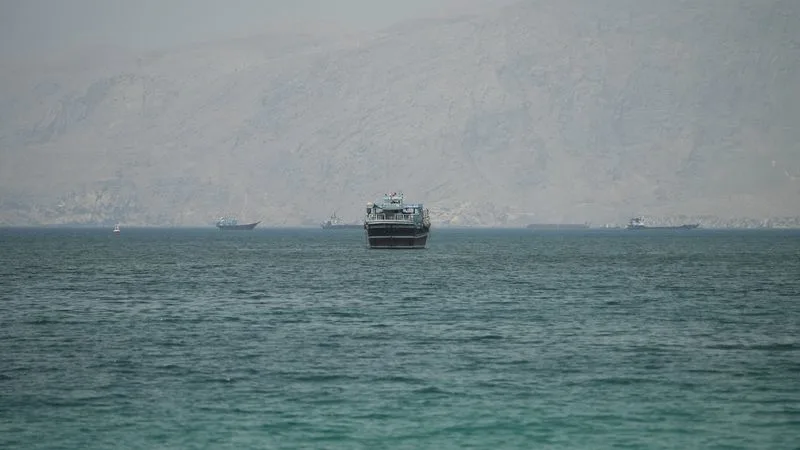
Three supertankers that had been stranded passed through the Strait of Hormuz on Tuesday, June 23, 2026, amid a notable increase in maritime activity. This surge followed a diplomatic breakthrough after the U.S. And Iran concluded their first round of direct talks. Discussions between the two nations commenced on Sunday, June 21, 2026, marking a significant step in diplomatic engagement, and wrapped up the following day, Monday, June 22, 2026. Concurrently, the U.S. Government announced a waiver on sanctions, which will remain in effect until August 21, 2026. This temporary lifting of restrictions is seen as a gesture aimed at fostering further negotiations and facilitating the movement of vital energy supplies. The series of events suggests a period of eased tensions impacting the vital shipping lane, which has been a flashpoint in recent years. The diplomatic progress signals a potential shift in regional dynamics, directly influencing the flow of global energy trade through this critical chokepoint.
Supertankers Navigate Strait
U.S. President Donald Trump stated that 19 million barrels of oil flowed out of the Strait of Hormuz on Monday, June 22, 2026. Trump posted, "19 millions barrels of oil flowed out of the Strait of Hormuz on Monday." This substantial volume of oil transit coincided with the progress made in the U.S.-Iran discussions. Despite the recent surge, sailings through the Strait of Hormuz are still a fraction of the roughly 125 daily crossings seen before the Iran war began. The current activity, while improved, notes the lingering impact of past conflicts on the region's maritime commerce.
Two Trafigura-operated Very Large Crude Carriers (VLCCs), each carrying 2 million barrels of crude, exited the strait on Tuesday, June 23, 2026. These vessels represent a significant portion of the crude oil moving through the strait. One of these VLCCs, the Dubai Energy, was chartered by Taiwanese state energy firm CPC, showing the international demand for crude passing through the waterway. The second Trafigura VLCC, Legio X Equestris, was chartered by TotalEnergies, indicating European involvement in the resumption of oil shipments. Another VLCC, the Universal Glory, chartered by South Korean refiner GS Caltex, also left the strait on Tuesday, June 23, 2026, with 2 million barrels of Saudi crude onboard. The simultaneous departure of these three supertankers, all fully laden with crude, marked a notable uptick in outbound oil traffic.
Inbound traffic also included two sanctioned Suezmax tankers, Sobar and Sarak, which were heading into the strait on Tuesday, June 23, 2026. Each Suezmax tanker can carry 1 million barrels of oil, adding to the overall increase in maritime activity. Iranian-linked tankers continued to transit the vital waterway as well, further demonstrating the broader resumption of shipping movements. The movement of these previously sanctioned vessels suggests a direct impact of the U.S. Sanctions waiver on maritime operations in the Gulf.
Qatar LNG Tankers Return
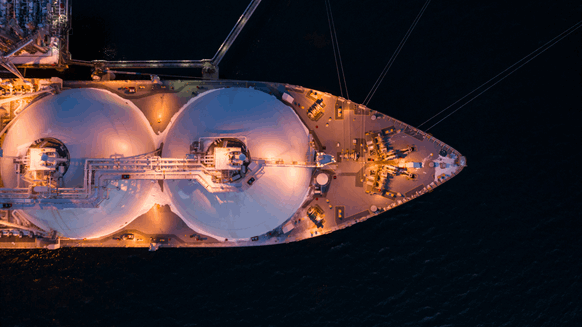
Seven empty Qatar-linked liquefied natural gas (LNG) tankers have entered the Gulf in recent weeks, marking the first such voyages since the U.S. And Israeli airstrikes on Iran on February 28, 2026. This return to regular transit for LNG carriers is a key indicator of de-escalation in the region. Seven ballast QatarEnergy-controlled tankers moved west into the Gulf to reload between June 11 and June 22, 2026. This represents the largest number of empty LNG ships transiting through the strait since the war began, noting the significant improvement in perceived security for these valuable cargoes.
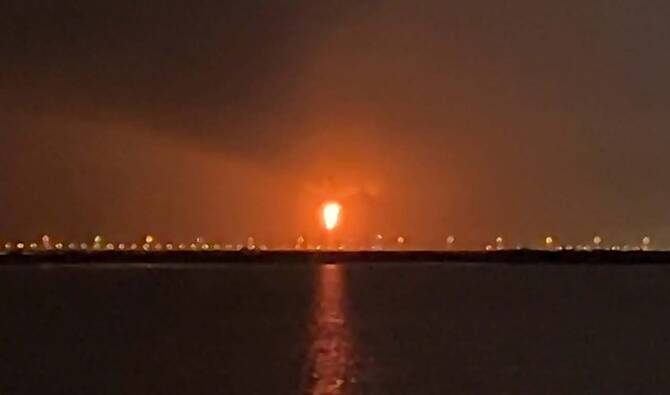
Three of these tankers, the Al Hamla, Al Areesh, and Al Khuwair, had their automatic tracking systems off during their transit, a practice sometimes observed in areas of heightened security concerns or to obscure movements. The remaining four tankers, Wadi Al Sail, Mekaines, Al Sadd, and Mesaimeer, entered the strait on Monday, June 22, 2026, via the Iranian route, indicating a diversification of transit paths. On the same day, an explosion occurred at a gas processing facility inside the Ras Laffan industrial complex. Despite the incident, Qatar's LNG facilities were not impacted by the explosion, ensuring continued production and export capabilities. The safe passage of these LNG tankers shows the importance of the Strait of Hormuz for global energy markets, particularly for natural gas.
Diplomatic Progress and Waivers
Traffic through the Strait of Hormuz increased on Monday, June 22, 2026, coinciding with advances in U.S.-Iran discussions. The first round of direct talks between the U.S. And Iran commenced on Sunday, June 21, 2026, and concluded the following day, paving the way for further negotiations. Both nations agreed on a framework for negotiations, aiming to finalize a permanent agreement within 60 days. This diplomatic understanding underpins the recent surge in maritime activity and signals a commitment from both sides to find a lasting resolution. The U.S. Waiver on sanctions, effective until August 21, 2026, provides a key window for these negotiations to progress without immediate economic pressure.
Despite the improving diplomatic climate, a significant threat persists in the vital waterway. Naval mines continue to render the main shipping lane, which was in operation prior to the war, unusable for commercial vessels. This constraint forces ships to navigate alternative routes, affecting transit times and operational considerations for maritime traffic. The presence of mines remains a critical challenge for the full restoration of pre-war shipping efficiency and safety in the Strait of Hormuz, requiring ongoing efforts to ensure the security of international navigation.