From the archive
Three Injured in Qatar by Debris from Interception Operations
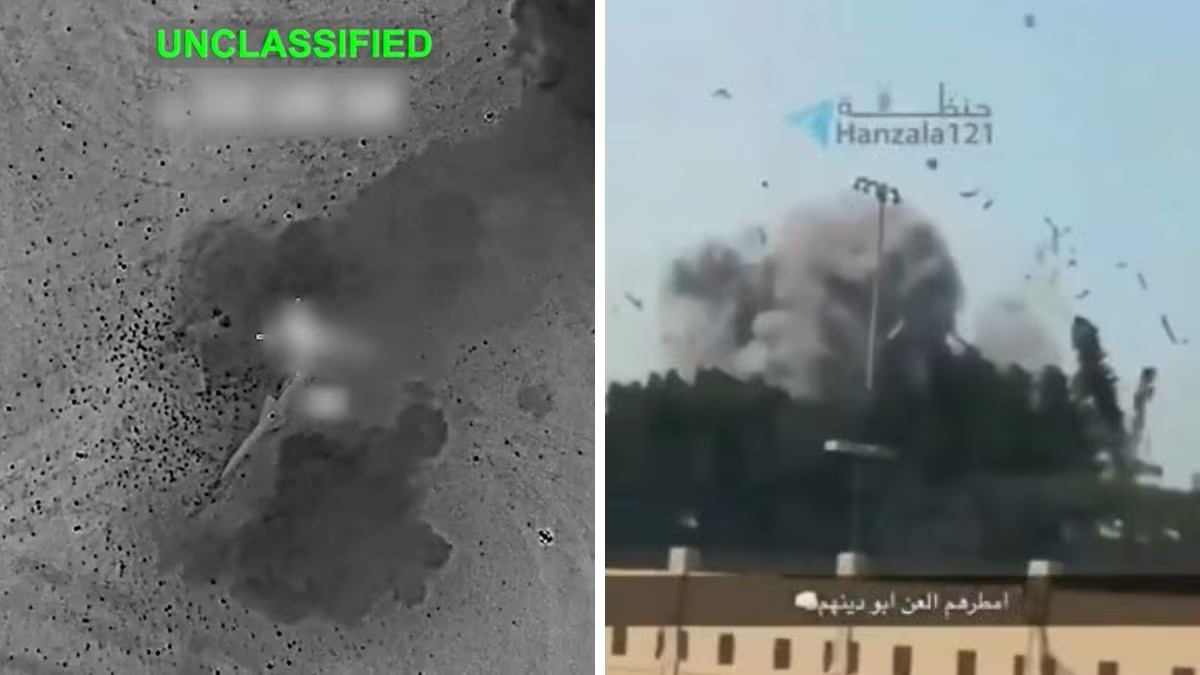
Three people, including a child, were injured in Qatar by falling debris from interception operations targeting Iranian missiles and drones.

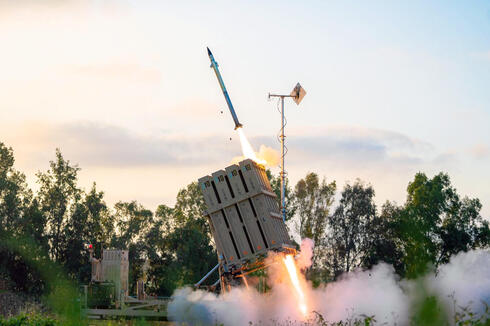
Three individuals were injured in Qatar on Sunday due to falling debris from interception operations targeting Iranian missiles and drones. Among those hurt was a child, according to reports. All three injured persons are currently receiving necessary medical care, with medical professionals attending to their conditions following the unexpected incident. The injuries sustained show the broad impact of regional conflicts, even on areas not directly targeted. The incident prompted immediate attention from local authorities and emergency services, ensuring that those affected received prompt assistance.
Official Response and Procedures
Qatar's Ministry of Interior announced that its forces initiated response procedures in accordance with approved emergency plans following the Iranian attacks. The ministry clarified that national public safety and emergency alerts are activated only when circumstances necessitate the implementation of additional urgent precautionary measures to safeguard public safety. This policy ensures that public alerts are not issued unnecessarily, preventing undue alarm while maintaining preparedness for genuine threats. The statement from the Ministry of Interior indicated that the procedures undertaken were a direct result of the events unfolding in the region, emphasizing the country's readiness to address potential impacts from external developments.
The Ministry's response guidelines dictate a measured approach to public alerts, ensuring that such warnings are issued judiciously and only when absolutely essential for public protection. Its statement emphasized that the decision to activate or withhold public alerts is based on a careful assessment of the immediate threat and the necessity of additional precautionary actions to protect the populace. This systematic approach aims to maintain public trust and ensure the effectiveness of emergency communications when they are most needed. The Ministry of Interior noted that its forces were fully engaged in monitoring the situation and implementing protocols designed to maintain security and stability. These full emergency plans are regularly reviewed and updated to address evolving regional dynamics and potential security challenges.
Public Safety Guidance
The Ministry of Interior issued guidance urging the public to rely exclusively on official channels for information regarding the ongoing situation. The ministry advised against circulating rumors or sharing unverified information, images, or video clips, specifically warning that doing so could lead to legal accountability. This directive aims to prevent the spread of misinformation and to ensure that public understanding is based on accurate, attributed statements from authoritative sources. The Ministry of Interior showed that sharing unverified content could not only cause unnecessary panic but also lead to legal consequences for those disseminating it.
It emphasized the importance of public cooperation in maintaining safety and order during regional events, stating that adherence to official communications is key for effective emergency management and public awareness. This approach is consistent with the ministry's broader strategy for public safety and information dissemination during critical incidents, aiming to foster a responsible and informed citizenry. The Ministry's call for vigilance against misinformation is a critical component of its public safety strategy, especially in times of heightened regional tension. Citizens and residents were encouraged to report any suspicious activities directly to the authorities rather than sharing unconfirmed reports on social media.
Context of Iranian Attacks
Iran's recent attacks involved the launch of missiles and drones toward targets in the region. These actions followed a period of heightened tensions, escalating concerns across the Middle East. The attacks prompted defensive responses from multiple countries, including the USA, which operates military assets in the area. Debris from these interception operations impacted Qatar, leading to injuries and showing the broad geographical reach of such incidents. The trajectory of some of the launched projectiles passed over airspace near Qatar, necessitating defensive measures that ultimately resulted in the debris falling on Qatari territory.
The incidents have drawn international attention to the broader security situation in the Middle East, noting the interconnectedness of regional stability. The defensive actions taken by various nations were aimed at neutralizing the incoming threats and protecting their assets and personnel. The unprovoked nature of the Iranian attacks and the subsequent defensive operations have led to calls for de-escalation from the international community, as concerns grow over the potential for wider conflict. The impact in Qatar serves as a stark reminder of how quickly regional hostilities can affect neighboring states, even those not directly involved in the primary conflict.