From the archive
Bangladesh Seeks Priority LNG from Qatar Amid Strait of Hormuz Concerns
Bangladesh has asked Qatar to prioritize LNG supplies once the Strait of Hormuz reopens and maritime traffic resumes, citing energy stability concerns.
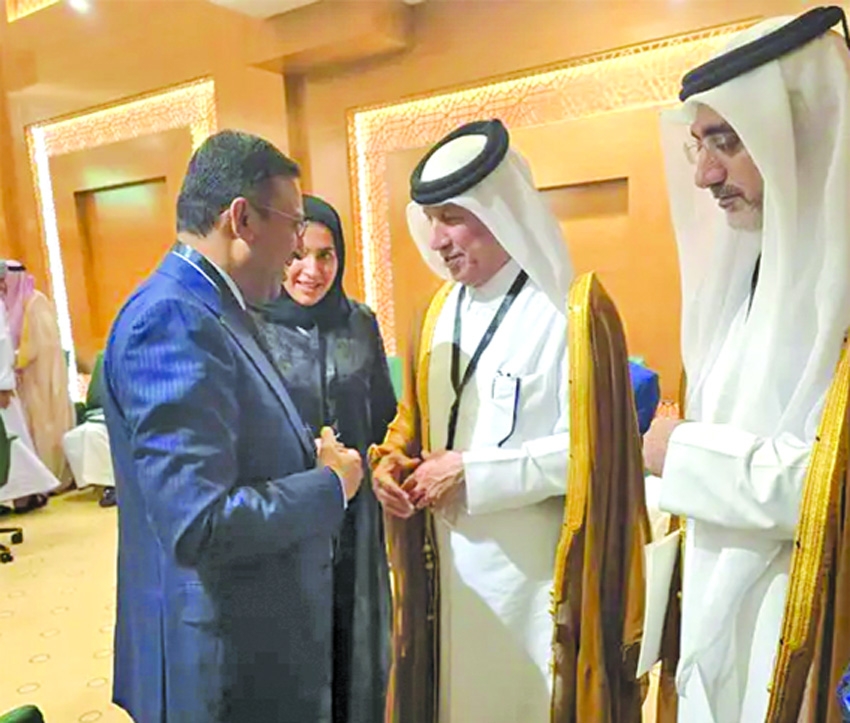
Bangladesh has urged Qatar to prioritize its liquefied natural gas (LNG) supplies once the Strait of Hormuz reopens and maritime traffic resumes. The South Asian nation specifically requested that Qatar accord priority to its LNG supplies to the country as soon as the critical waterway reopens and maritime movement fully resumes. This urgent appeal shows Bangladesh's concerns regarding global energy supply stability, particularly in light of potential disruptions to key shipping routes. State Minister for Foreign Affairs Humaiun Kobir made the request during a high-level meeting with Qatar's Minister of State for Foreign Affairs Sultan bin Saad Al-Muraikhi.
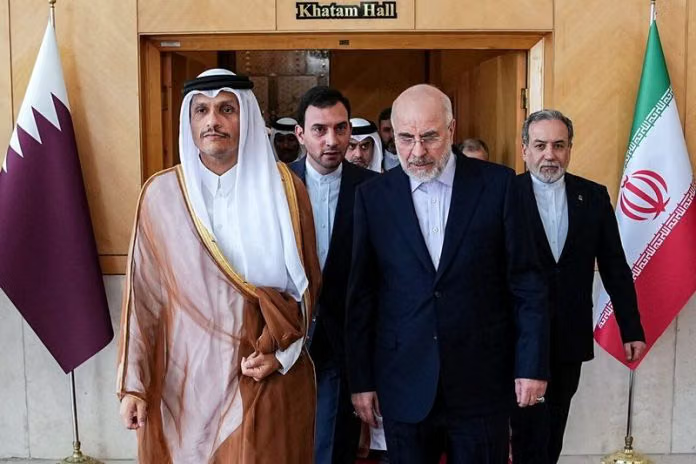
The two senior officials met on the sidelines of the 23rd OIC Extraordinary Council of Foreign Ministers (CFM) in Jeddah, a significant diplomatic gathering that brought together representatives from member states of the Organization of Islamic Cooperation. A foreign ministry press release issued on Thursday night reported the full details of the meeting, noting the depth of discussions between the two nations. The request for prioritized LNG shipments reflects Bangladesh's strategic efforts to safeguard its energy security amidst geopolitical uncertainties that could impact global trade flows.
Energy Cooperation Discussions
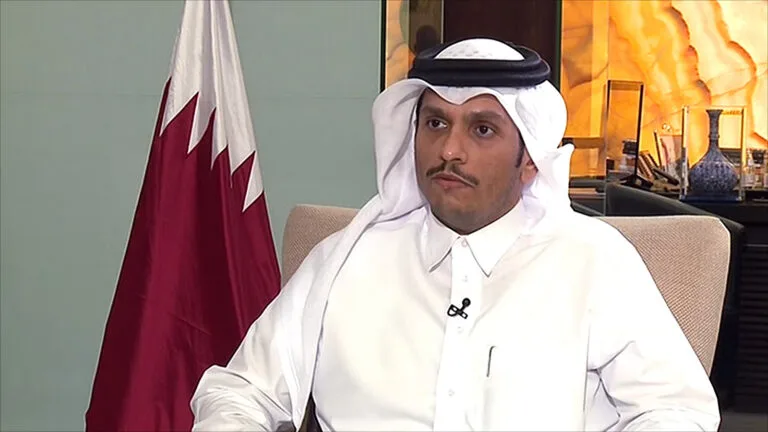
During the discussions, the Qatari State Minister for Foreign Affairs, Sultan bin Saad Al-Muraikhi, conveyed Doha's readiness to further strengthen cooperation with Bangladesh in the vital energy sector. This statement came as a positive response during his extensive discussions with Bangladesh's State Minister for Foreign Affairs, Humaiun Kobir, on the sidelines of the 23rd OIC Extraordinary Council of Foreign Ministers (CFM) in Jeddah. The expression of readiness from Qatar, a major global LNG exporter, is a key development for Bangladesh, which is actively seeking reliable energy partners.
The two state ministers also delved into other issues of mutual interest beyond energy cooperation during their productive meeting. Their agenda likely included discussions on bilateral trade, investment opportunities, and regional developments, reflecting the multifaceted relationship between Bangladesh and Qatar. The commitment to enhance energy cooperation is particularly significant given Bangladesh's growing energy demands and Qatar's position as a leading supplier of LNG globally. This dialogue sets the stage for potential future agreements and increased collaboration in the energy domain.
Regional Diplomacy and Support
Beyond energy matters, Humaiun Kobir reaffirmed Bangladesh's unwavering support for Qatar's mediation efforts between Iran and the United States during the meeting. He also commended Doha's constructive and proactive role in promoting dialogue, fostering regional peace, and ensuring stability across the Middle East. Bangladesh's endorsement of Qatar's diplomatic endeavors notes the growing recognition of Doha's influence as a mediator in complex international relations.
In response, Qatar's State Minister for Foreign Affairs, Sultan bin Saad Al-Muraikhi, expressed profound gratitude to Bangladesh for its consistent support and acknowledgement of Qatar's diplomatic initiatives. This exchange of appreciation further solidified the diplomatic ties between the two nations. The discussions on regional peace and stability show the shared commitment of both countries to a secure and prosperous international environment. The entire exchange took place on the sidelines of the 23rd OIC Extraordinary Council of Foreign Ministers (CFM) in Jeddah, providing a high-profile platform for these important bilateral discussions.
Background on LNG Needs
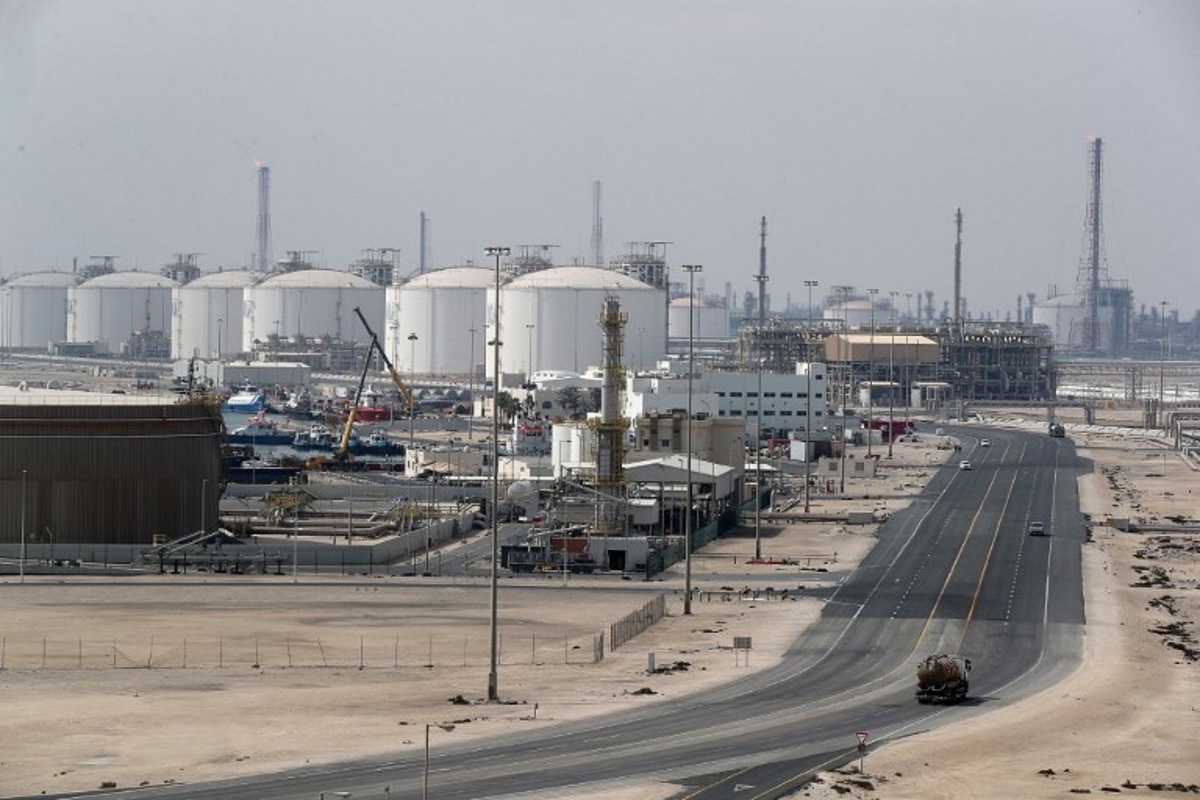
Bangladesh's urgent request for prioritized liquefied natural gas (LNG) supplies from Qatar shows the South Asian nation's ongoing and critical energy requirements. The country relies heavily on imported LNG to meet its escalating domestic demand for power generation, which is essential for economic growth, and for various industrial uses that drive its manufacturing sector. Interruptions to global energy supply chains or regional instability, such as concerns regarding the Strait of Hormuz, can significantly impact Bangladesh's energy security, potentially leading to power shortages and economic slowdowns.
Ensuring a stable and predictable supply of LNG is therefore critical for maintaining economic stability and supporting strong industrial growth in Bangladesh. The proactive discussions between Humaiun Kobir and Sultan bin Saad Al-Muraikhi highlight Bangladesh's strategic diplomacy in securing its long-term energy interests and mitigating potential risks. Doha's expressed readiness to strengthen energy cooperation with Bangladesh suggests a positive potential for increased collaboration to address these critical energy needs effectively. Securing reliable LNG imports remains a key strategic objective for Bangladesh's national energy policy, fundamental to its development trajectory.