From the archive
Qatar Extends LNG Delivery Halt Amid Middle East Conflict
Qatar extends LNG delivery halt to Europe and Asia until at least October, citing force majeure due to Middle East conflict and facility damage.
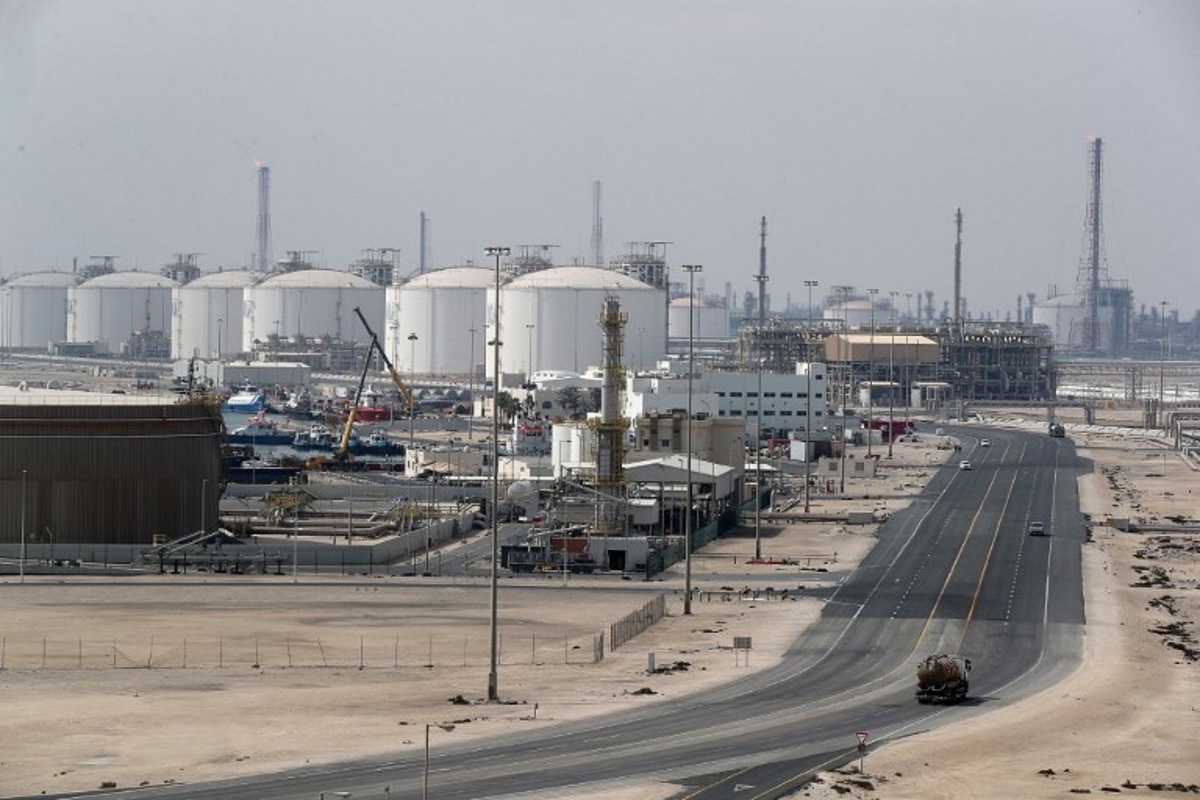
Qatar will invoke force majeure in October, halting the delivery of liquefied natural gas (LNG) to customers in Europe and Asia. The decision follows damage sustained by the Ras Laffan facility, the world's largest LNG production site, during an Iranian attack in March. This extended suspension, which was reported by Bloomberg on Friday, citing several anonymous sources familiar with the matter, signals deepening concerns over global energy supplies. QatarEnergy had previously invoked force majeure, which suspended LNG deliveries until the end of September.
Supply Chain Disruptions
Shipping liquefied natural gas (LNG) through the Strait of Hormuz remains difficult due to the ongoing conflict in the Middle East, according to reports. While more oil tankers continue to attempt passage through the strait, LNG ships face greater challenges. The critical nature of this waterway is showed by the fact that normally, a fifth of the world's liquefied natural gas, with much of it originating from Qatar, passes through the Strait of Hormuz. Exports have almost come to a complete halt again since a Qatari vessel was hit in July, exacerbating concerns about energy supply. The Strait of Hormuz is a critical chokepoint for global energy shipments, linking Middle Eastern producers to markets in Europe and Asia. The continued disruptions show the volatile security situation affecting maritime trade in the region, making safe passage increasingly precarious for energy carriers.
Market Impact and Context
QatarEnergy had previously invoked force majeure, which suspended LNG deliveries until the end of September. This earlier suspension set a precedent for the current extension. Normally, the Strait of Hormuz facilitates the passage of a fifth of the world's liquefied natural gas, with much of it originating from Qatar. The significant volume typically transiting this strait notes the global impact of any disruptions. LNG prices in both Europe and Asia have seen a significant increase, nearly doubling since the US-Israeli conflict against Iran began at the end of February. This sharp rise in prices reflects the market's anxiety over supply stability and availability. The ongoing situation in the gas market has resulted in European winter reserves being filled at a slower pace than typically observed during the summer months. This delay in storage replenishment reflects the broader market disruptions caused by regional tensions and the uncertainty surrounding future LNG deliveries. The slower pace of filling reserves could have significant implications for energy security as winter approaches.
Official Stance and Outlook
QatarEnergy has notified customers that the suspension of liquefied natural gas deliveries will extend at least through October and potentially into early November. According to Qatar, the Ras Laffan site will require several years to resume full operational capacity. This extended timeline for recovery suggests that the impact on global LNG supply could be long-lasting. There has been no official confirmation from Qatar regarding the extended halt or the timeline for the facility's full recovery, leading to further uncertainty in the market. The lack of an official statement from the Qatari government or QatarEnergy leaves customers and market analysts to rely on reports from anonymous sources.
Reporting and Sources
Bloomberg reported on Friday that the extended suspension of liquefied natural gas deliveries was communicated to customers, citing several anonymous sources familiar with the matter. The report follows an incident in July when a Qatari ship was struck by a projectile, contributing to heightened concerns about maritime safety in the region. This incident showed the tangible risks faced by vessels navigating the troubled waters. The security challenges have led to ongoing disruptions in shipping routes, impacting global energy supplies and forcing a reassessment of traditional maritime trade patterns in the Middle East.