From the archive
Qatar LNG Tanker Attempts Strait of Hormuz Transit Amid Regional Tensions
Qatar LNG tanker Al Kharaitiyat attempts Strait of Hormuz transit, first export from region since Iran war began amid maritime disruptions.
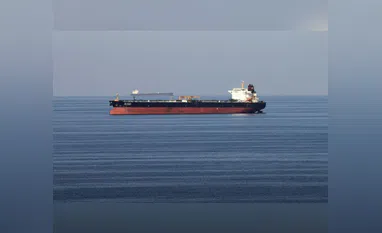
A tanker carrying liquefied natural gas (LNG) from Qatar is attempting to transit the Strait of Hormuz, marking the country's first potential LNG export from the region since the Iran war began. This critical attempt comes as Qatar has faced significant challenges moving LNG out of the Persian Gulf since the conflict started at the end of February. Previous attempts by tankers to navigate through Hormuz resulted in them turning around, preventing any shipments from successfully leaving the region. A successful transit would signify Qatar's first export out of the region since hostilities commenced, offering a potential breakthrough in the ongoing maritime disruptions.
Tanker's Journey and Destination
The tanker at the center of this development, named Al Kharaitiyat, loaded its cargo at Qatar's Ras Laffan export plant earlier this month. The vessel is owned by Qatar's Nakilat, a prominent shipping company, and lists Pakistan as its next destination. Managed by Nakilat Shipping Qatar Ltd and sailing under the Marshall Islands flag, the Al Kharaitiyat is a substantial vessel with a cargo capacity of 211,986 cubic meters, capable of transporting a significant volume of liquefied natural gas. Two people familiar with the matter stated that Qatar is selling the liquefied natural gas to Pakistan under a government-to-government agreement, noting the diplomatic and economic importance of this particular shipment. Pakistan has engaged in discussions with Iran to secure permission for a limited number of LNG tankers to transit the Strait of Hormuz, as Islamabad faces an urgent need to address its domestic gas shortage. This urgent need shows the high stakes involved in the Al Kharaitiyat's journey.
Regional Dynamics and Security Threats
Vessels continue to face security threats in the vital waterway as both Iran and the United States have implemented what reports describe as de facto blockades in the region. These blockades have severely hampered maritime traffic, particularly for energy exports. A notable incident occurred when Iran's Revolutionary Guards halted two Qatar LNG tankers, Al Daayen and Rasheeda, on April 6, instructing them to hold position. This intervention took place even as Iran had reportedly agreed to assist Pakistan in coordinating the first vessel's safe passage, carrying gas supplied under Pakistan's agreement with Qatar. According to reports, Iran had approved the shipment to help build confidence with Qatar and Pakistan, suggesting a complex interplay of diplomacy and security. The closure of the waterway has had broad consequences, choking off global supplies of LNG, sending prices higher and causing shortages across emerging Asian markets, which are heavily reliant on these energy imports.
Global Impact and Qatar's Role
Qatar is a significant player in the global liquefied natural gas market, having produced almost a fifth of the world's LNG supply last year. The nation ranks as the world's second-largest exporter of LNG, primarily shipping to buyers in Asia, making its ability to export key for global energy stability. Regional tensions have severely impacted this capacity; Iranian attacks reportedly knocked out 17% of Qatar's LNG export capabilities. These attacks have substantial long-term implications, as repairs are expected to sideline 12.8 million tons per year of the fuel for an estimated three to five years. This loss of capacity further exacerbates global supply concerns. Despite the ongoing challenges and heightened security risks, at least two LNG tankers loaded from Abu Dhabi National Oil Co.'s export plant have successfully traversed the Strait of Hormuz since the conflict began, demonstrating that some movements are still possible under certain conditions. Before the conflict, the strait typically saw roughly three LNG shipments per day, a stark contrast to the current restricted and uncertain environment. The successful transit of the Al Kharaitiyat would provide a much-needed boost to Qatar's export capabilities and offer a glimmer of hope for easing global energy supply pressures.