From the archive
Qatar Pledges Support for Libyan Unity and Political Resolution
Qatar pledges commitment to ending Libya's political division and supporting efforts towards a political agreement and national dialogue.
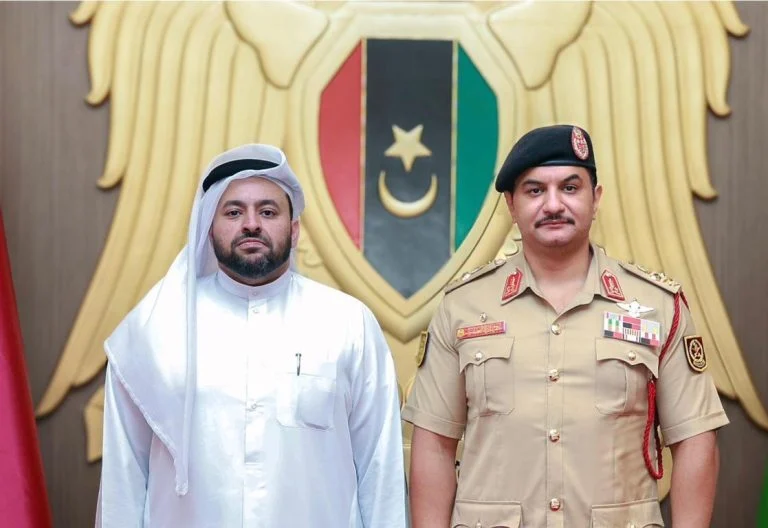
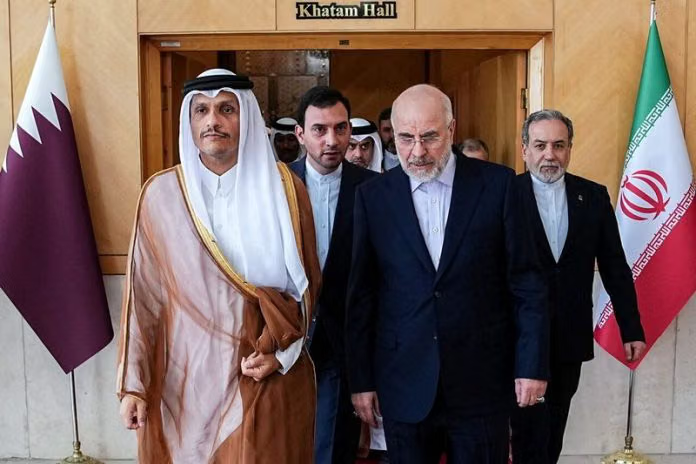
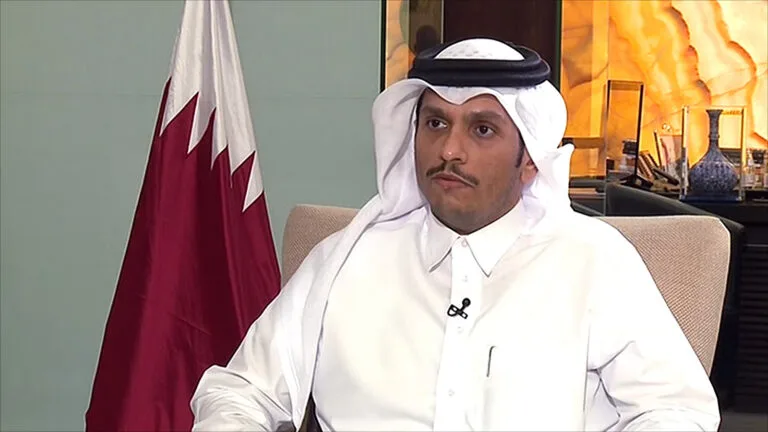
Qatar’s Minister of State at the Ministry of Foreign Affairs, Dr. Mohammed bin Abdulaziz bin Saleh Al Khulaifi, recently met with the Deputy Commander of the Libyan National Army, Lt. Gen. Saddam Khalifa, to convey Qatar's commitment to Libya's stability. During his visit, Dr. Al Khulaifi expressed Qatar’s unwavering support for Libyan unity and sovereignty. The meeting showed Qatar’s consistent support for Libyan unity and sovereignty, emphasizing the importance of these principles for the nation’s future. Dr. Al Khulaifi also emphasized Qatar's backing for a political resolution during his discussions, noting the diplomatic efforts to foster a full and inclusive political process.
Dr. Mohammed bin Abdulaziz bin Saleh Al Khulaifi affirmed Qatar’s support for “a political process that reflects Libyans’ aspirations while aiming at preserving the country’s sovereignty,” according to a statement from the Qatari Foreign Ministry. This engagement notes Qatar's diplomatic efforts to encourage a full political process in Libya. He further elaborated that Qatar believes a lasting solution must emerge from within Libya, driven by the will of its people, and that international support should facilitate, not dictate, this process. The discussions also touched upon the need for all Libyan stakeholders to engage constructively in dialogue to overcome existing divisions.
Libya's Deepening Political Divide
Libya has been split since 2014, with two rival administrations currently vying for control. The country is divided between the Tripoli-based Government of National Unity (GNU), led by Abdul Hamid Dbeibah, and the eastern administration of Osama Hammad, which is backed by Khalifa Haftar's forces. This persistent division has complicated efforts toward national reconciliation and stability, creating a complex political landscape that has hindered economic recovery and social cohesion. The parallel administrations maintain separate institutions and exert control over different territories, leading to fragmented governance and ongoing challenges in delivering essential services to the population.
Attempts to bridge this divide have involved various political bodies and international mediation efforts. A committee tasked with drafting a pact to unify the country included four members each from the eastern House of Representatives and the Tripoli-linked High Council of the State. This specific composition aimed to ensure balanced representation from both sides of the political spectrum, fostering a sense of shared ownership over the proposed solutions. These negotiations represent ongoing efforts to forge a unified political path despite the deep-seated fragmentation that has characterized Libyan governance for nearly a decade. The separation of power centers continues to be a primary challenge for international and regional diplomatic initiatives aimed at fostering a lasting resolution, often resulting in stalemates and delayed progress.
New Election Pact Offers Hope
Libyan negotiators recently reached an initial election pact designed to conclude years of political division within the country. The agreement, initiated in Tunisia, aims to rewrite the laws governing both presidential and legislative elections. This development follows extensive efforts to establish a unified political framework for Libya, providing a potential roadmap out of the current impasse. The agreement reached last week by Libyan negotiators represents a significant step forward, aiming to provide a clear pathway for the country to move past its protracted political fragmentation through democratic means.
The newly formed pact sets a 24-month deadline for holding elections, offering a potential pathway to overcome the existing administrative fragmentation. This specific timeframe is intended to provide sufficient time for the necessary legislative and logistical preparations while maintaining momentum towards a unified government. The United Nations described the deal as an important step toward resolving the country's political crisis, acknowledging the efforts made by the negotiating parties. For years, the UN and other international mediators have spent years trying to resolve the split by arranging elections, which have repeatedly been delayed or failed to materialize due to ongoing disputes between rival factions. The current agreement seeks to address the legislative hurdles that have previously impeded the electoral process, providing a more strong framework for future polls. The hope is that this pact will finally pave the way for nationwide elections that can produce a legitimate, unified government, reflecting the aspirations of the Libyan people.
Qatar's Diplomatic Engagement
Minister of State Mohammed bin Abdulaziz al-Khulaifi met with Khalifa Haftar, commander of the self-styled Libyan National Army, on Thursday. This meeting showed Qatar's commitment to engaging with key figures in the Libyan political landscape, regardless of their current affiliations, to promote dialogue and reconciliation. Qatar will keep engaging with Libyan parties and leaders to back United Nations efforts towards a political agreement, emphasizing its role as a facilitator rather than an intervener. This consistent engagement reflects Qatar's belief that a broad-based consensus among all Libyan stakeholders is essential for sustainable peace and stability.
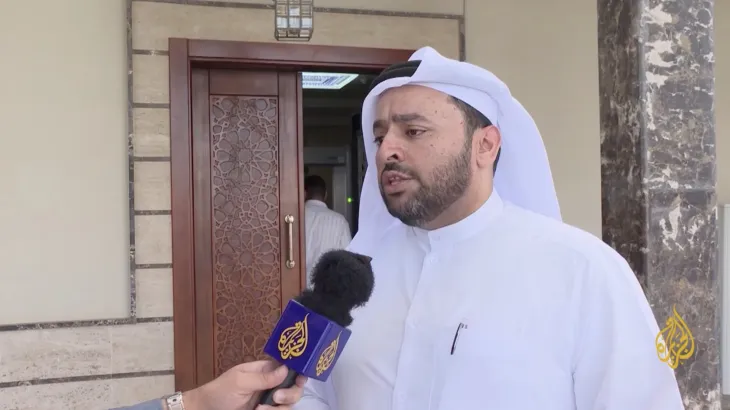
Al-Khulaifi informed Al Jazeera that he had discussed methods to bolster the political process and national dialogue with leaders in Tripoli. These discussions focused on practical steps that could be taken to advance the peace process and ensure that all voices are heard. He emphasized the necessity for continued dialogue and reconciliation to build consensus among various factions, recognizing that overcoming years of division requires sustained and sincere efforts from all parties. Al-Khulaifi further stressed that such efforts are key to pave the way for stability across Libya, leading to a future where the country can rebuild and prosper. These discussions highlight Qatar's active role in facilitating a resolution to Libya's protracted political challenges, demonstrating its commitment to supporting a peaceful and unified Libya.
Challenges and Expert Views
Libyan legal expert Al-Mahdi Kashbour noted a disconnect in the recent political developments, stating to Al Jazeera that "there appears to be a gap between the powers of the parties that signed the agreement and the institutions with the authority to implement it." This assessment points to potential hurdles in translating agreements into tangible action on the ground, suggesting that the path from signing an accord to its full implementation remains fraught with challenges. Kashbour's remarks show the complexity of Libya's institutional landscape, where overlapping authorities and lack of clear mandates can undermine even well-intentioned political agreements. The practicalities of enforcement and the buy-in from all relevant state bodies will be critical for the pact's success.
Political analyst Elias al-Barouni further elaborated on the limitations of the current framework. Al-Barouni stressed that "the pact does not make any concrete plans for the country’s elections," suggesting that while an agreement has been reached, the specifics required for holding nationwide polls are still lacking. This critique implies that the current pact, while a positive step, might be more of a framework than a detailed roadmap, leaving many key operational details to be ironed out. The absence of specific electoral mechanisms, such as voter registration processes, security arrangements, and clear dispute resolution procedures, could pose significant obstacles to the timely and fair execution of elections. These expert views show the ongoing complexities and challenges facing Libya's path toward a unified political resolution and national elections, indicating that while progress has been made, significant work remains to be done to ensure a stable and democratic future for the country.